Anonymous
Anonymous is the designation given to the makers behind a body of engravings and etchings centred on Christian subjects, from the Return from Egypt and the Tribute Money to the martyrdom of Saint Lawrence. The collection gathers 44 sheets in which engraving dominates, joined by etching and by copies and reverse copies after other prints, with the plates ranging from 1500 into the nineteenth century. Because the Met's dating extends well past any single hand, the later items are best understood as impressions up to 1874 rather than new compositions.
44 works in the collection · All public domain (CC0)
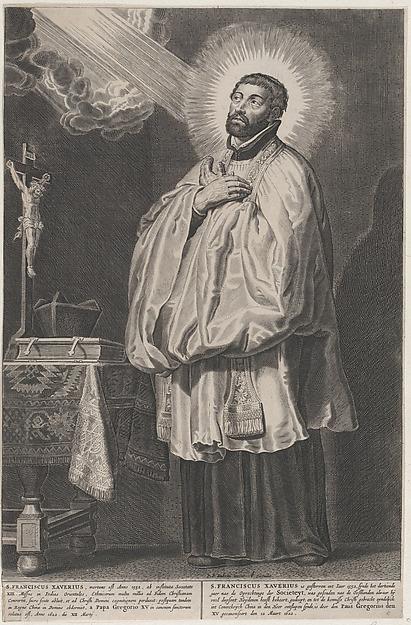
Saint Francis Xavier with a divine light emanating towards him from the upper left, with a crucifix, mitre, and book on a table at left (1622)
1622 · Engraving; copy
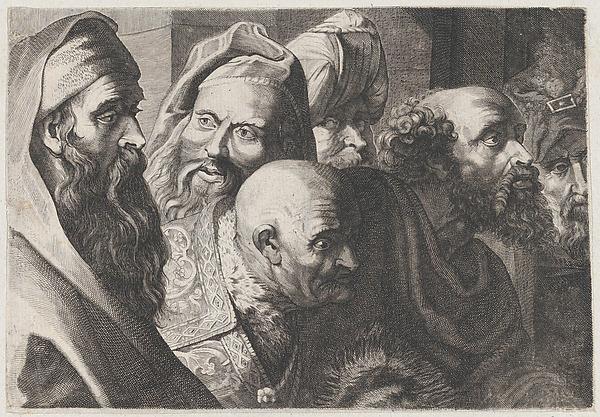
The Tribute Money
17th–18th century · Engraving; reverse copy (undescribed)
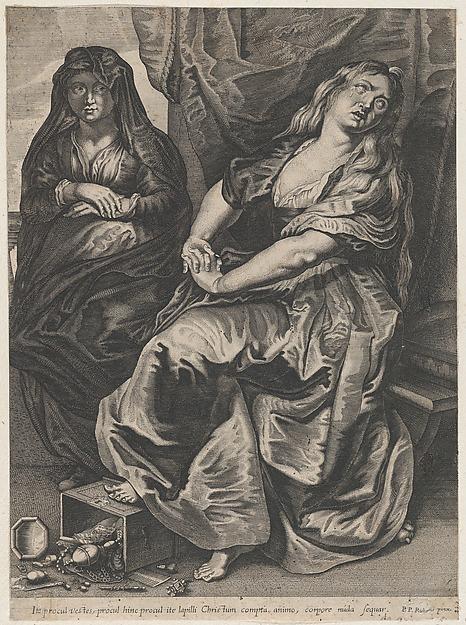
St. Mary Magdalen Trampling Her Valuables (17th–18th century)
17th–18th century · Engraving; reverse copy
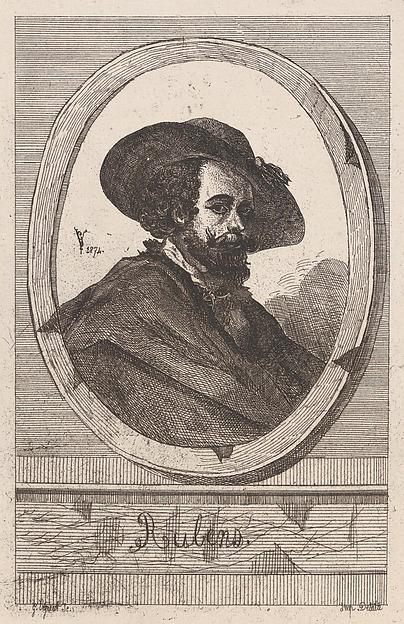
Self-portrait of Peter Paul Rubens
1874 · Etching
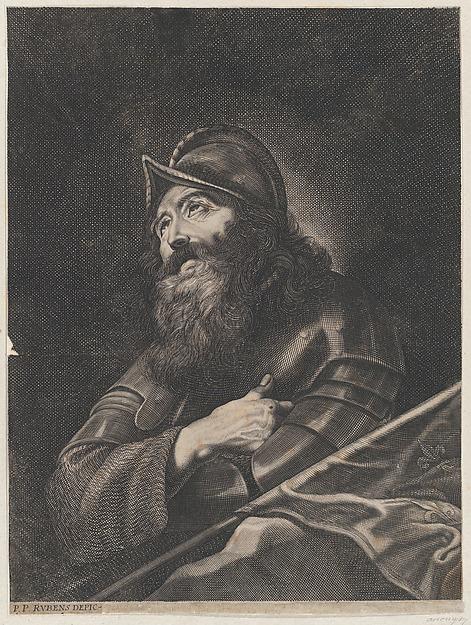
Saint William of Aquitaine (?)
18th century (?) · Engraving
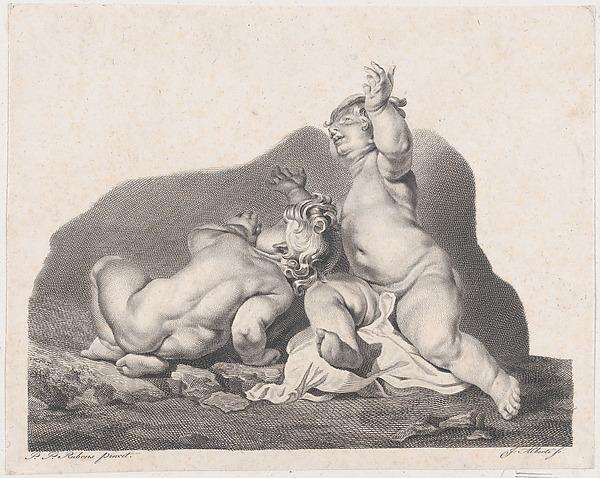
Two children lying on the ground, one seen from behind
19th century · Engraving
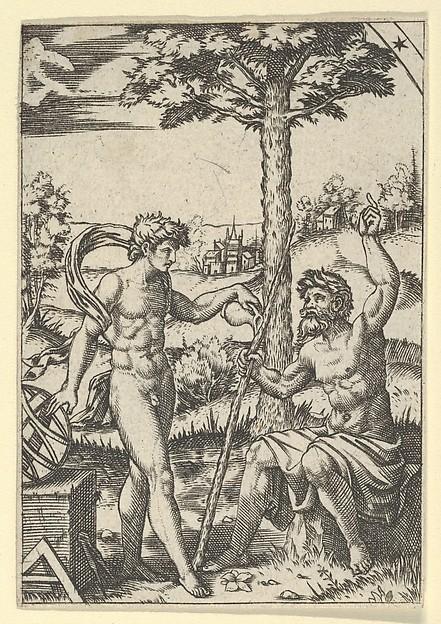
Seated Old Shepherd Gesturing Towards the Sky and Speaking to Nude Male Surrounded by Tools of Measurement
ca. 1500–1600 · Engraving; Copy
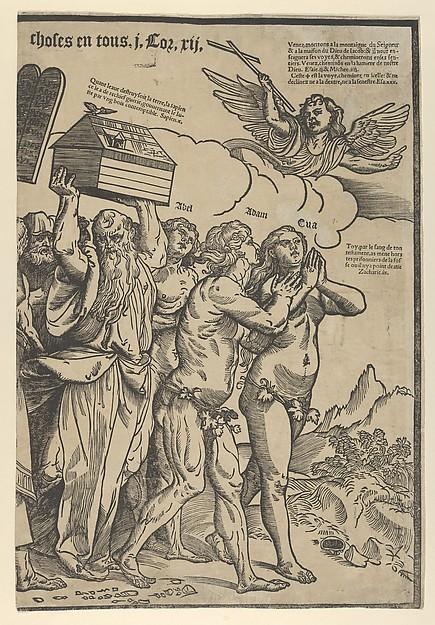
The Triumph of Christ: the last sheet on the right showing Adam and Eve who lead the procession
ca. 1510–11 · Woodcut
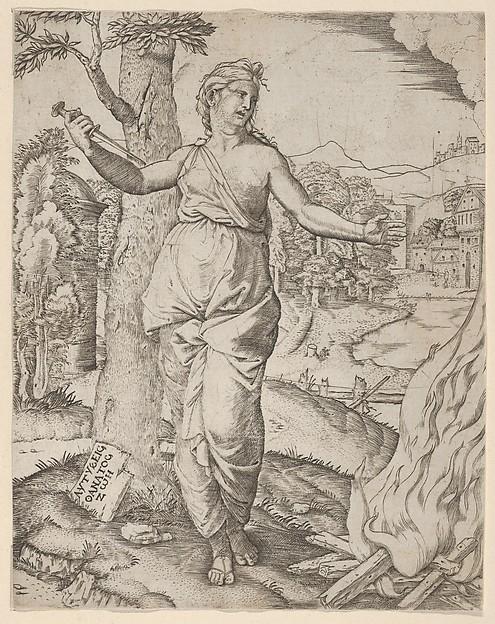
Dido holding a dagger in her right hand, left arm outstretched (ca. 1510–30)
ca. 1510–30 · Engraving
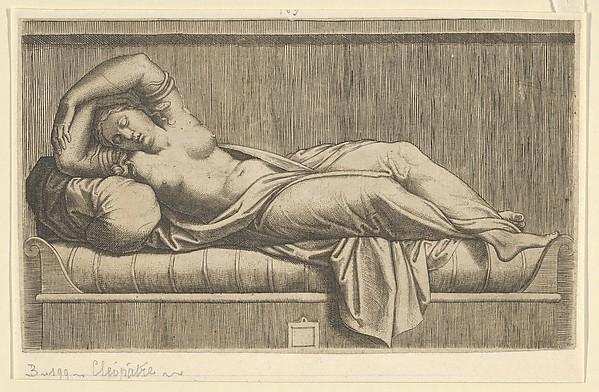
Cleopatra (ca. 1515–40)
ca. 1515–40 · Engraving
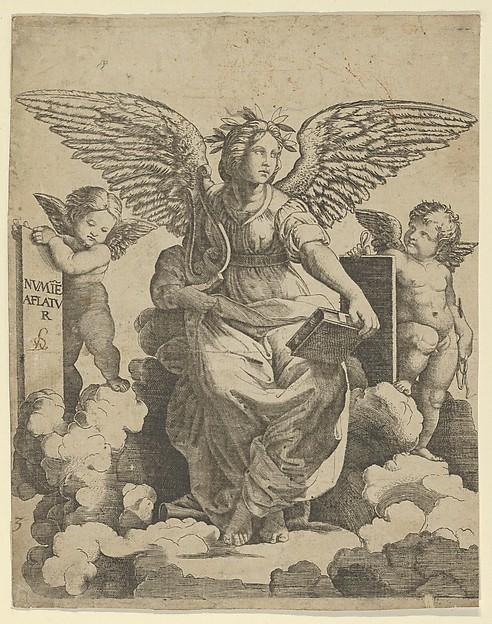
Poetry personified as a winged woman (ca. 1515–50)
ca. 1515–50 · Engraving
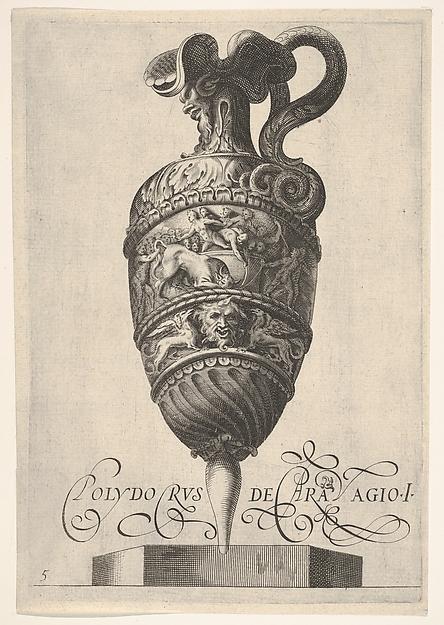
Vessel with grotesque masks, griffins, and a frieze populated by a bull and men in bas-relief, reverse copy after Cherubino Alberti, in turn after Polidoro da Caravaggio
ca. 1550–1600 · Engraving
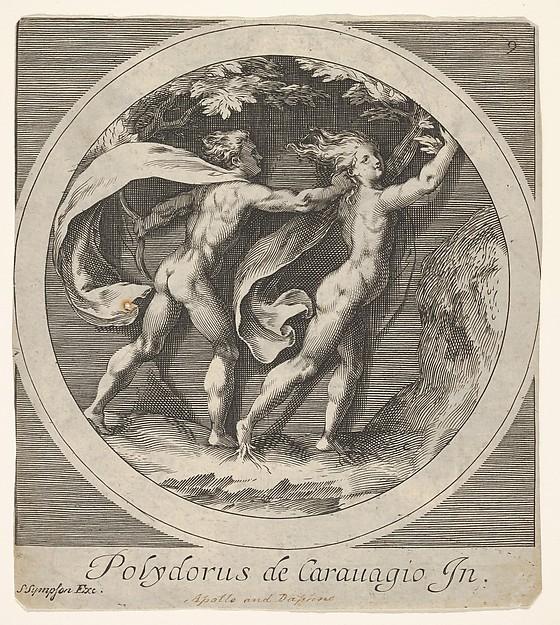
Apollo and Daphne
ca. 1550–1600 · Engraving
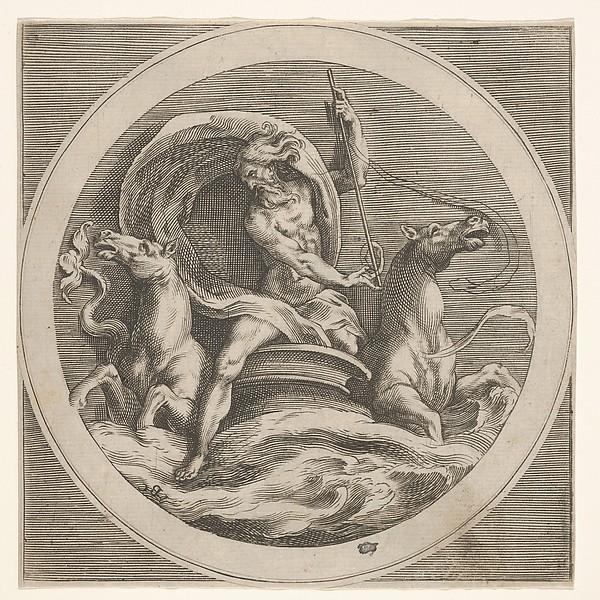
Neptune rising from the sea and bearing a staff, accompanied by two horse-headed sea creatures, reverse copy after a series of engravings by Cherubino Alberti of mythological scenes after Polidoro da Caravaggio
ca. 1550–1600 · Engraving
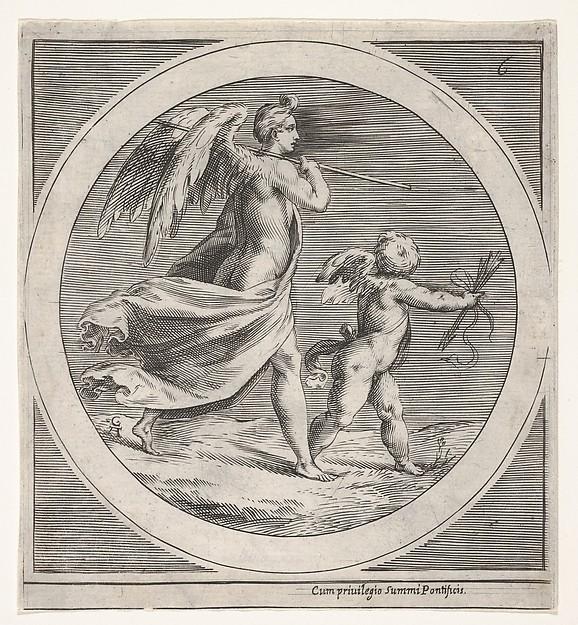
Winged female figure, draped and carrying a staff, striding behind a winged putto, who twists to look over his left shoulder, a round composition
ca. 1550–1600 · Engraving
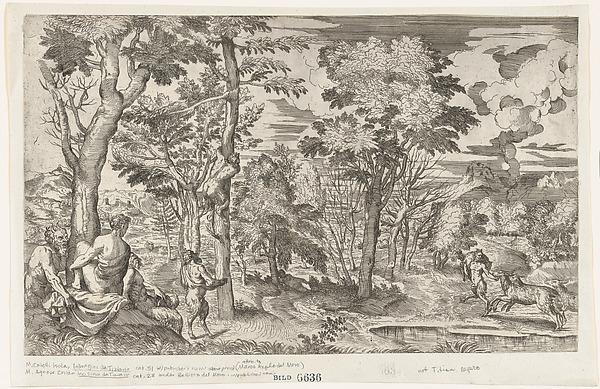
Satyrs in a Landscape (after Titian)
ca. 1550–60 · Etching
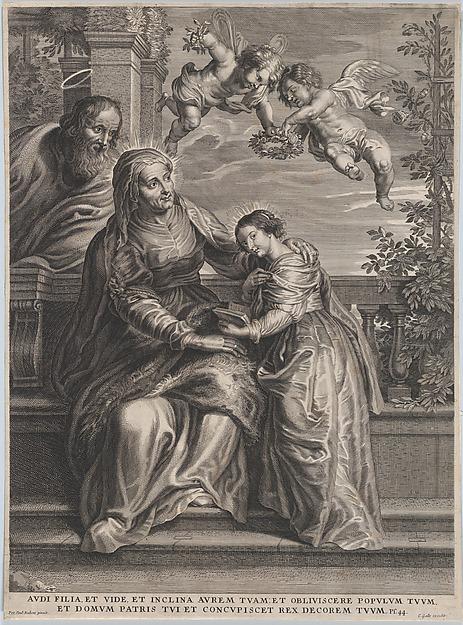
The Education of the Virgin (ca. 1600–50)
ca. 1600–50 · Etching and engraving; reverse copy
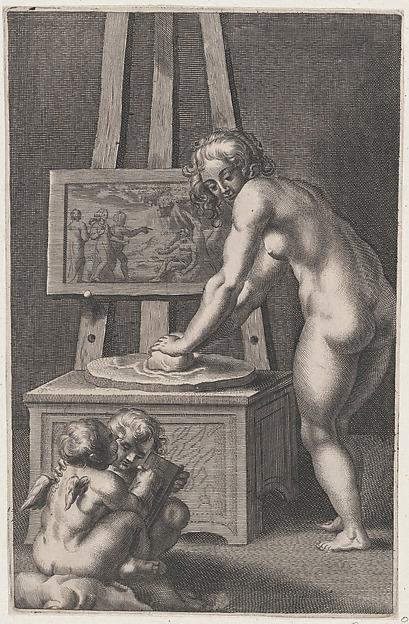
Pictura: Allegory of Painting (ca. 1610–50, Met-Objekt 1208)
ca. 1610–50 · Engraving; reverse copy
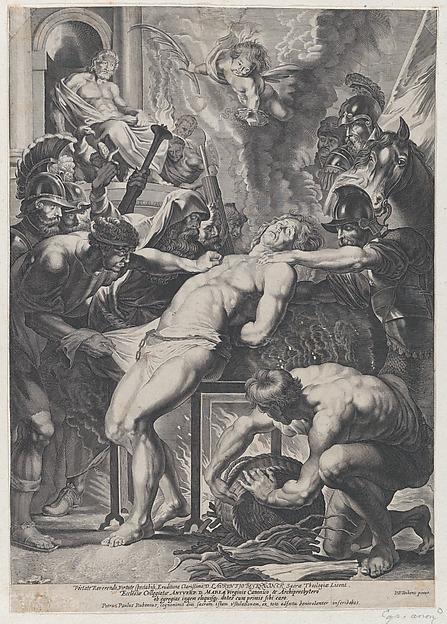
Saint Lawrence at the Stake (ca. 1621–1750)
ca. 1621–1750 · Engraving; copy (undescribed)
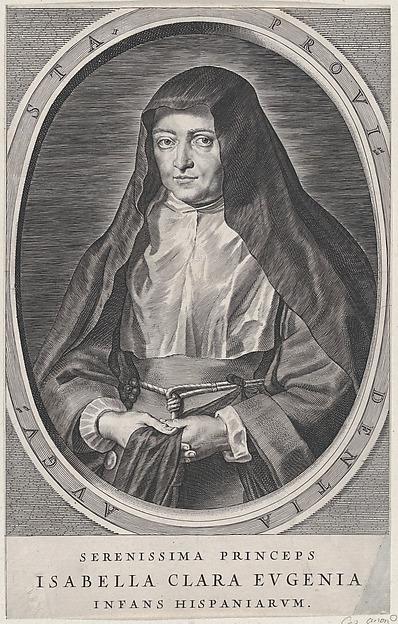
Portrait of Archduchess Isabella Clara Eugenia, Spanish Regent of the Low Countries, as a Nun (ca. 1625–1700)
ca. 1625–1700 · Engraving
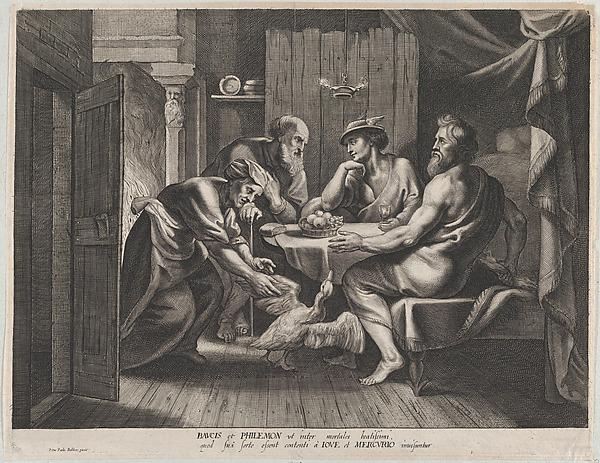
Jupiter and Mercury with Philemon and Baucis
ca. 1627–70 · Engraving
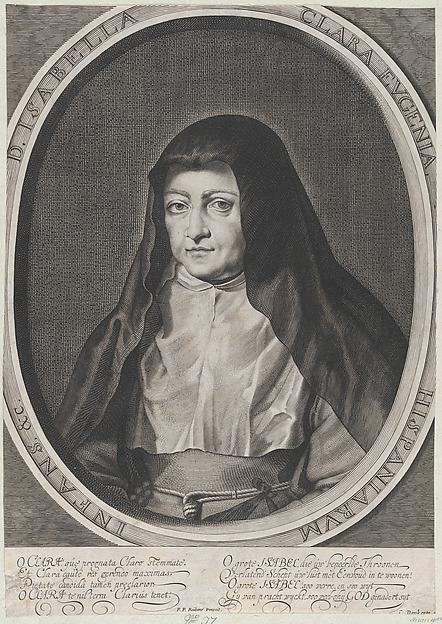
Portrait of Archduchess Isabella Clara Eugenia, Spanish Regent of the Low Countries, as a Nun (ca. 1628–56)
ca. 1628–56 · Engraving
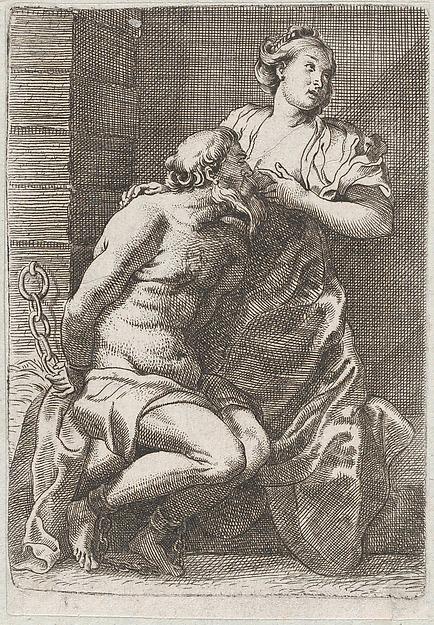
Cimon and Pero (ca. 1630–1700)
ca. 1630–1700 · Etching; reverse copy (undescribed)
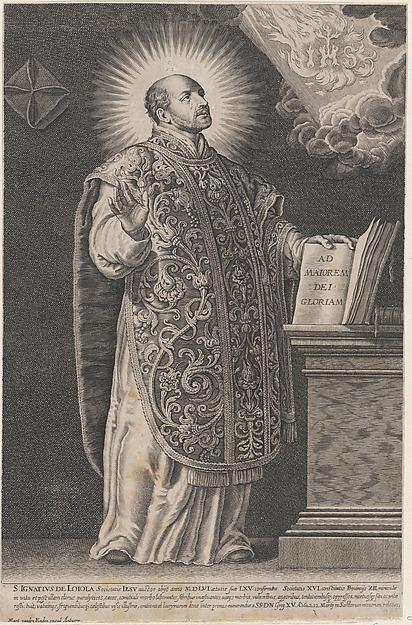
Saint Ignatius Loyola, standing and holding an open book (ca. 1630–54)
ca. 1630–54 · Engraving; copy
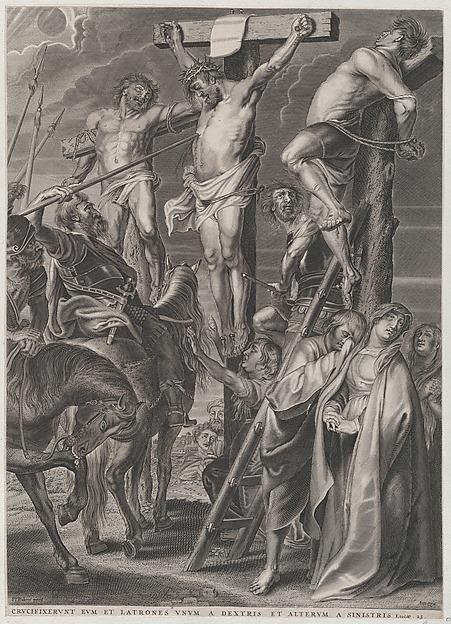
Christ on the cross between the two thieves
ca. 1631 · Engraving; fourth state of four (?)
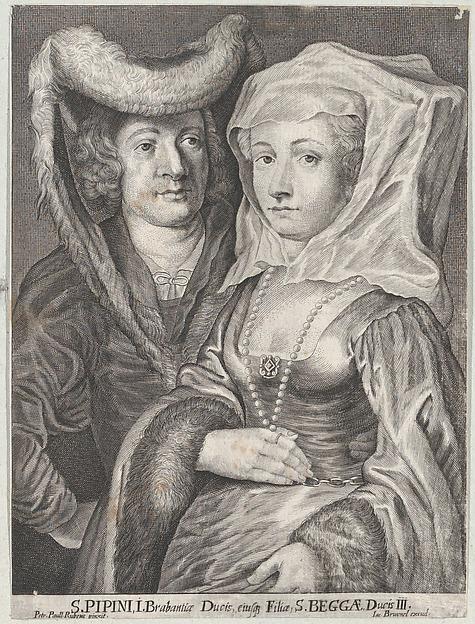
Saint Pepin I and his daughter, Saint Begga (ca. 1650–1700)
ca. 1650–1700 · Etching; reverse copy
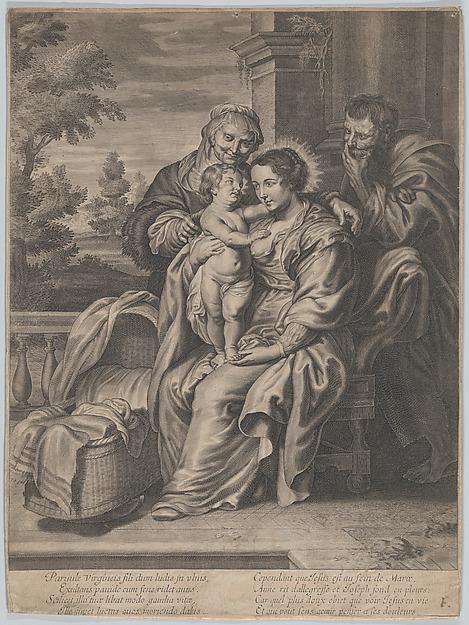
The Virgin and Child with Saint Anne and Joseph
ca. 1650–1700 · Engraving; reverse copy
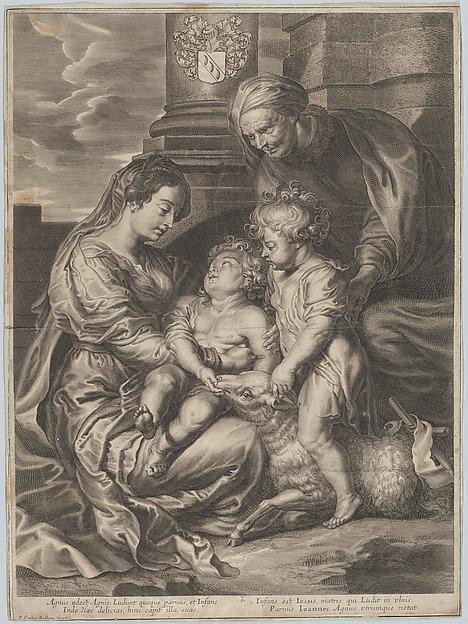
The Virgin and Child with Saint Elizabeth and Saint John the Baptist
ca. 1650–1700 · Engraving; reverse copy
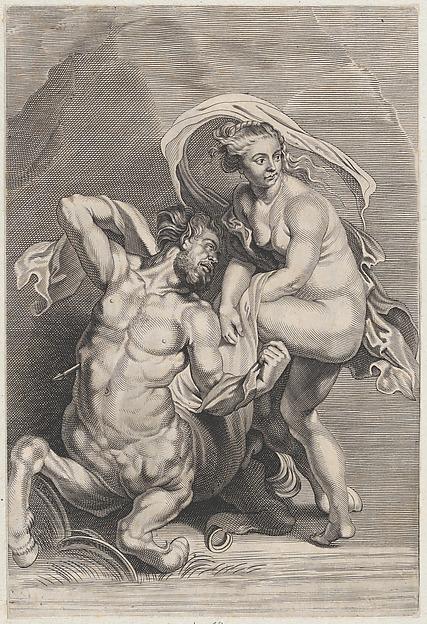
Deianeira receiving the poisoned tunic from Nessus, and the wounded centaur falling to the ground at left (ca. 1650–1700)
ca. 1650–1700 · Engraving
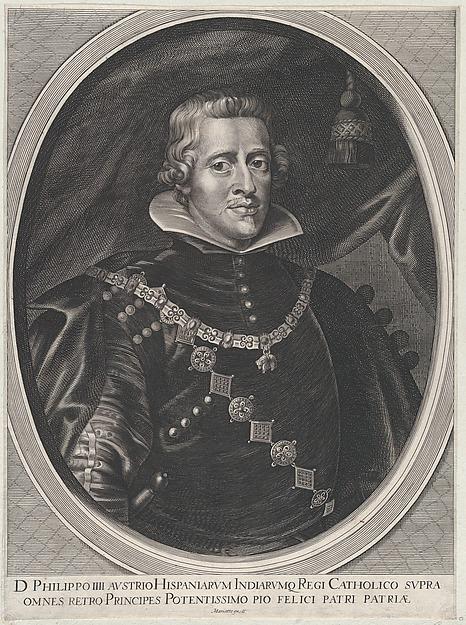
Portrait of Philip IV (ca. 1650–1700)
ca. 1650–1700 · Engraving; copy (undescribed)
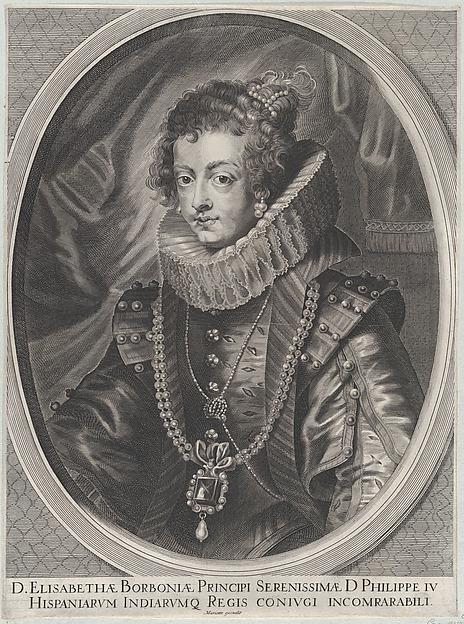
Portrait of Elisabeth of Bourbon, Queen of Spain (ca. 1650–1700)
ca. 1650–1700 · Engraving; copy (undescribed)
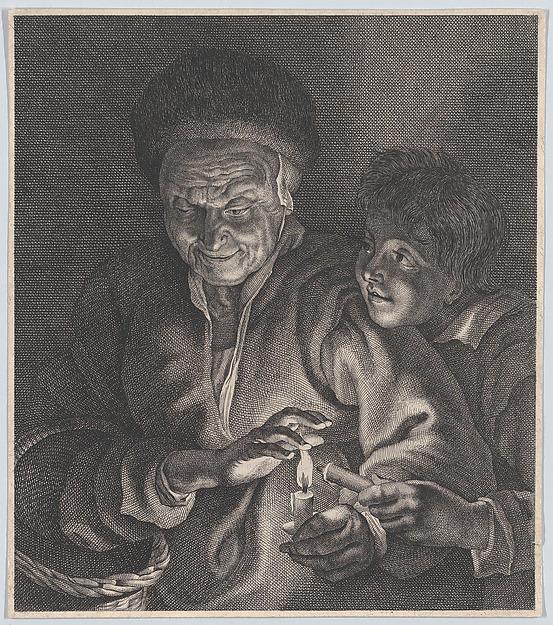
Old woman and a boy with candles (ca. 1650–1700)
ca. 1650–1700 · Etching
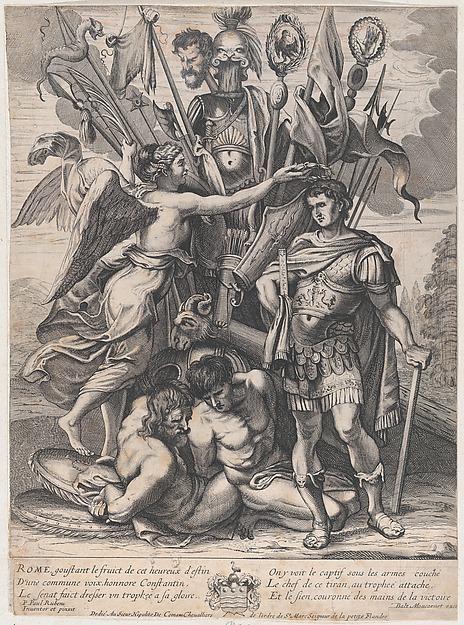
The Trophy of Constantine, with Victory at left crowning the emperor with a laurel, behind them a bounty of arms, armor, prisoners, and Maxentius' head on a stick
ca. 1650–68 · Etching and engraving
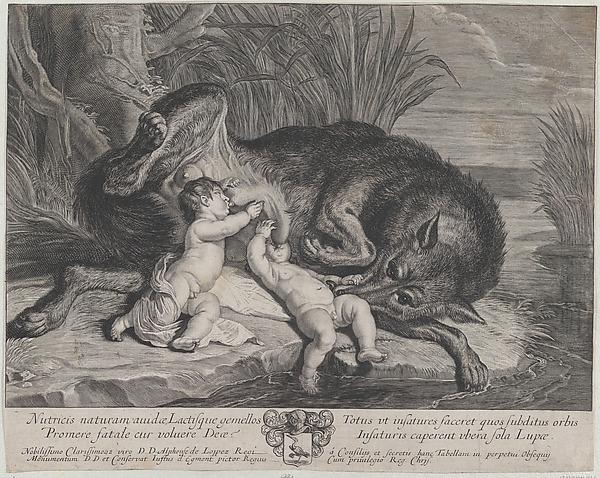
Romulus and Remus suckling the she-wolf on a riverbank
ca. 1650–75 · Engraving

The Holy Family with Saint Elizabeth and the infant Saint John the Baptist, holding a bird on a string
ca. 1655–95 · Engraving; reverse copy
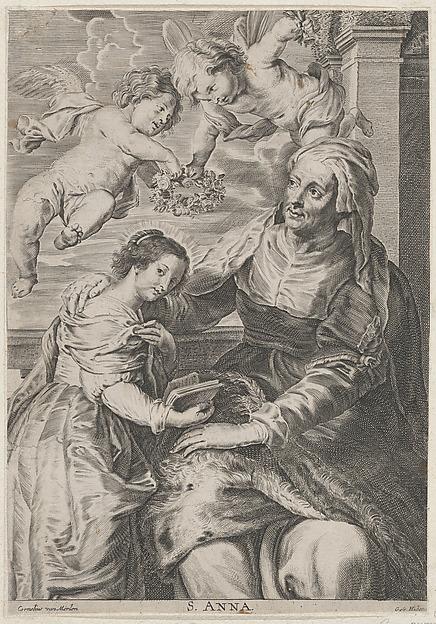
The Education of the Virgin, with Saint Anne and the Virgin Mary Reading with Two Putti Overhead and Saint Joachim Behind Them at Left
ca. 1700–23 · Etching and engraving; reverse copy
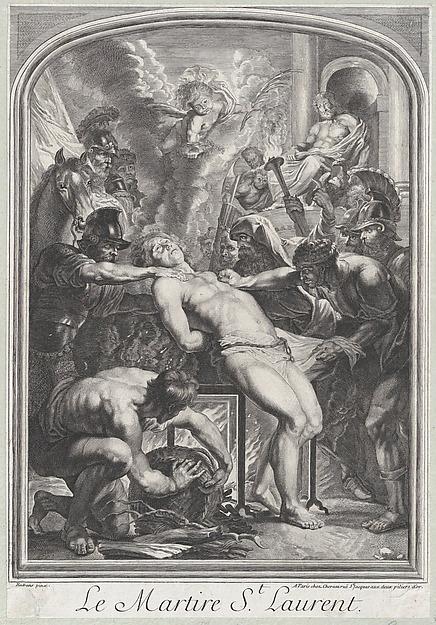
Saint Lawrence at the Stake (ca. 1700–29)
ca. 1700–29 · Engraving; reduced copy
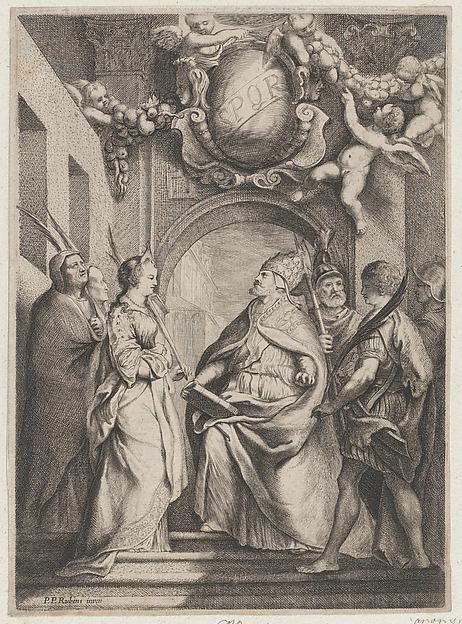
Saint Gregory surrounded by other saints, in front of an archway with putti holding garlands overhead (ca. 1700–50)
ca. 1700–50 · Etching
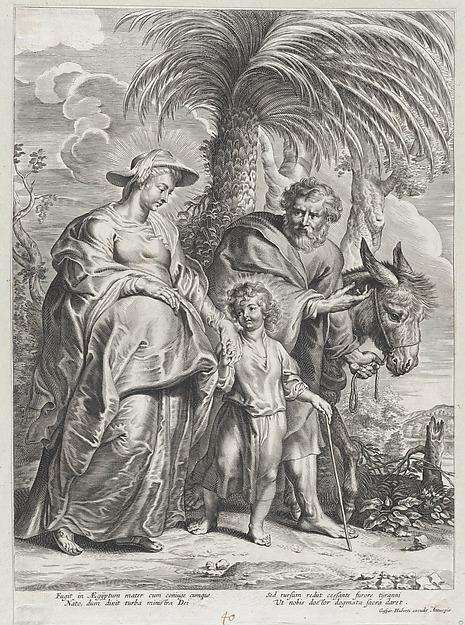
The Return from Egypt (ca. 1705–24)
ca. 1705–24 · Engraving; reverse copy
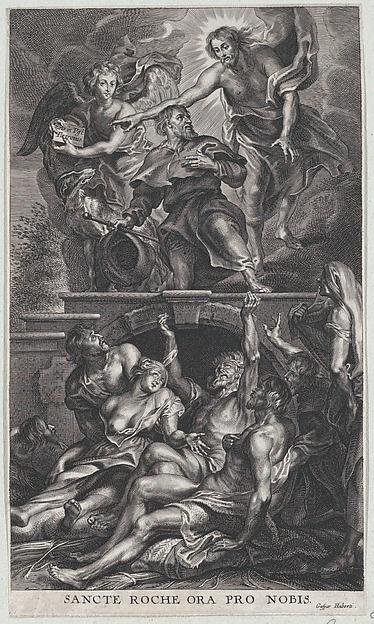
Saint Roch
ca. 1705–24 · Engraving
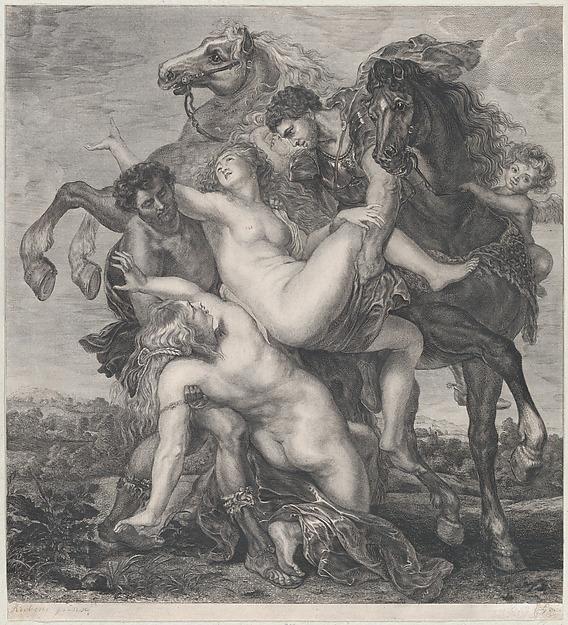
Phoebe and Hilaeria, the daughters of Leucippus, being abducted by Castor and Pollux (ca. 1750–1800)
ca. 1750–1800 · Engraving

Diana and three nymphs from "Diana Returning from the Chase"
ca. 1750–1850 · Engraving
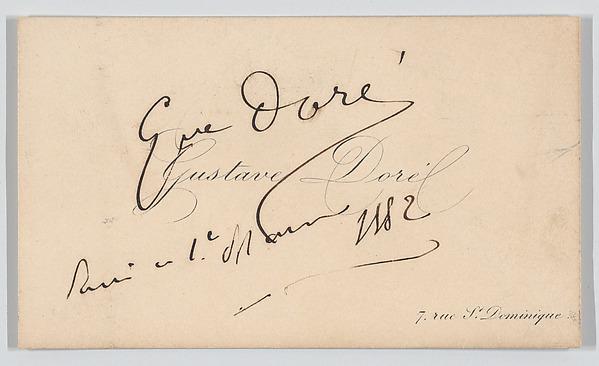
Gustave Doré, calling card
ca. 1849–83 · Engraving
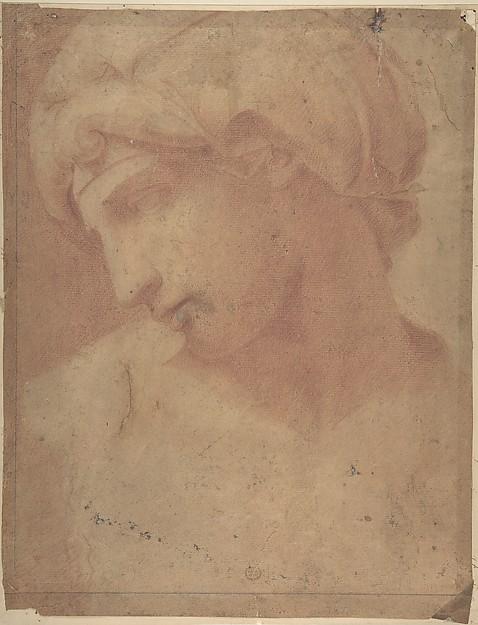
Drawing of the Head of Michelangelo's Dawn (from the Tomb of Lorenzo de' Medici, Church of San Lorenzo, Florence)
n.d. · Red chalk