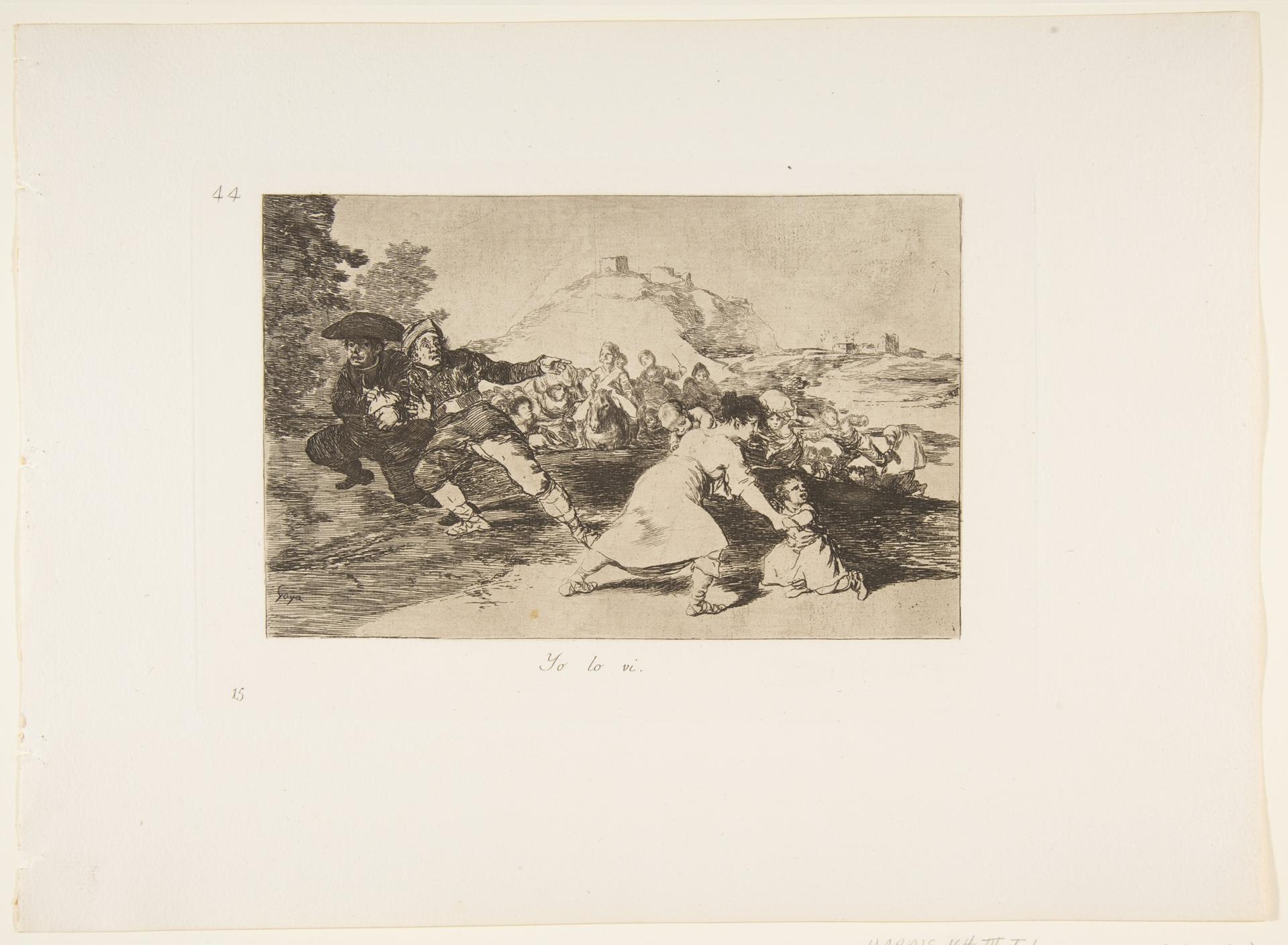
Plate 44 from "The Disasters of War" (Los Desastres de la Guerra): I saw it (Yo lo vi)
Original title: Plate 44 from "The Disasters of War" (Los Desastres de la Guerra): I saw it (Yo lo vi)
kurzbeschreibung
Plate 44 from Francisco de Goya's series "The Disasters of War" dates to 1810 but was not published until 1863. The etching presents a violent struggle between two men in a rural setting, surrounded by other figures. The title "Yo lo vi" (I saw it) underscores Goya's role as an eyewitness to the atrocities.
Description
On the left, in the foreground, a man sinks to his knees, an object in his hand, while from the right another assails him. Both wear garments that point to an earlier era. Behind them, more people crouch on the ground, some bewildered, some alarmed. Trees and a rise form the background; the black-and-white scheme manages without harsh shadows. Delicately placed lines and hatching capture the ferocity of movement and the turmoil of emotion.
Context
Between 1810 and 1820, Goya worked on the series in response to Napoleon's occupation of Spain and the ensuing Peninsular War. During his lifetime, the prints remained unpublished, likely out of fear of political repercussions. Only in 1863, after the artist's death, were they released in Madrid under the title "Los Desastres de la Guerra". The caption "Yo lo vi" refers to Goya's own observation of the war.
Impact
The twisted bodies of the men and the oppressive atmosphere hit home immediately. Without pathos, in a sober portrayal of horror, the plate becomes a haunting testimony to human violence.
Technique
Etching, drypoint, and burin on paper produce precise lines and graduated tonal values that define figures and landscape. The plate measures 15.8 × 23.5 cm, the sheet 25.1 × 34.5 cm.
AI-generated description text
Source: Metropolitan Museum of Art · Public Domain (CC0 1.0)