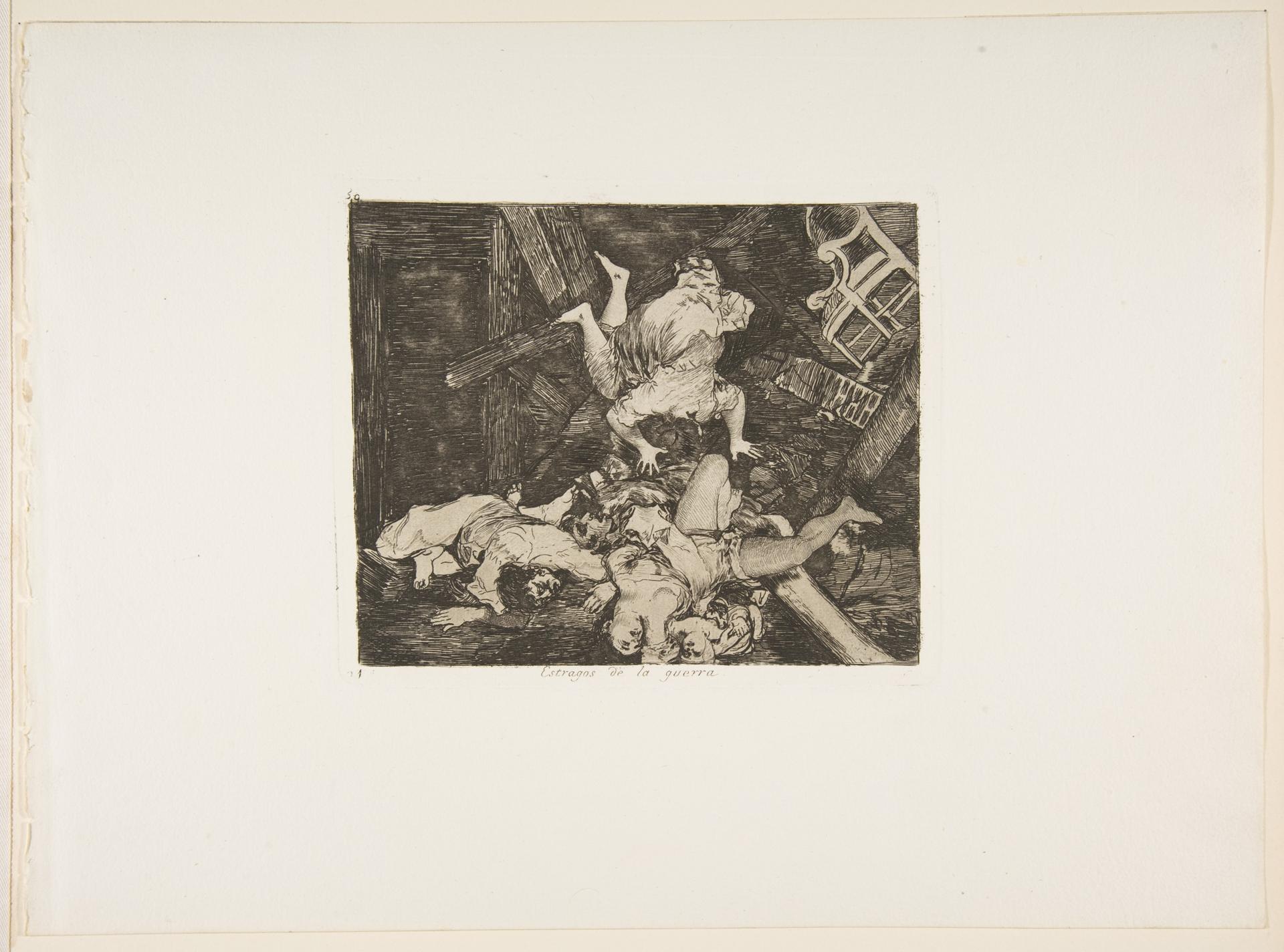
Plate 30 from 'The Disasters of War' (Los Desastres de la Guerra): 'Ravages of war' (Estragos de la guerra)
Original title: Plate 30 from "The Disasters of War" (Los Desastres de la Guerra): 'Ravages of war' (Estragos de la guerra)
kurzbeschreibung
Unlike many portrayals of war that focus on individual heroes or battles, this print from Goya's series 'The Disasters of War' (Los Desastres de la Guerra) centers on the suffering of civilians. Created in 1810 and published only in 1863, it shows a group of people amid ruins and destruction.
Description
A crowd of figures spreads across a devastated area. Some lie on the ground, others stand upright, appearing to flee or fight. The arrangement of the figures is agitated and restless, conveying despair and the extent of the destruction. Behind them, debris and remnants of destroyed buildings pile up, pointing to a war-torn environment. The bodies are captured with simple yet richly varied lines, typical of etching.
Context
Between 1810 and 1820, Goya responded to the Napoleonic Wars in Spain and the Spanish War of Independence with the series 'Los Desastres de la Guerra'. The prints were not published until 1863, long after the artist's death. This sheet is number 30, titled 'Estragos de la guerra'; it is one of the works that bring home the impact of war on the civilian population.
Impact
The print unleashes an immediate, oppressive mood of violence and destruction. The agitated arrangement of the figures and the harsh contrasts between light and dark create a strong emotional impact that confronts the viewer with the horrors of war.
Technique
The work was executed as an etching, supplemented by drypoint, burin, and burnisher on paper. These tools allow for fine lines and graduated shading that heighten the dramatic effect of the subject. The restriction to black and white particularly emphasizes the contrasts of light and shadow.
AI-generated description text
Source: Metropolitan Museum of Art · Public Domain (CC0 1.0)