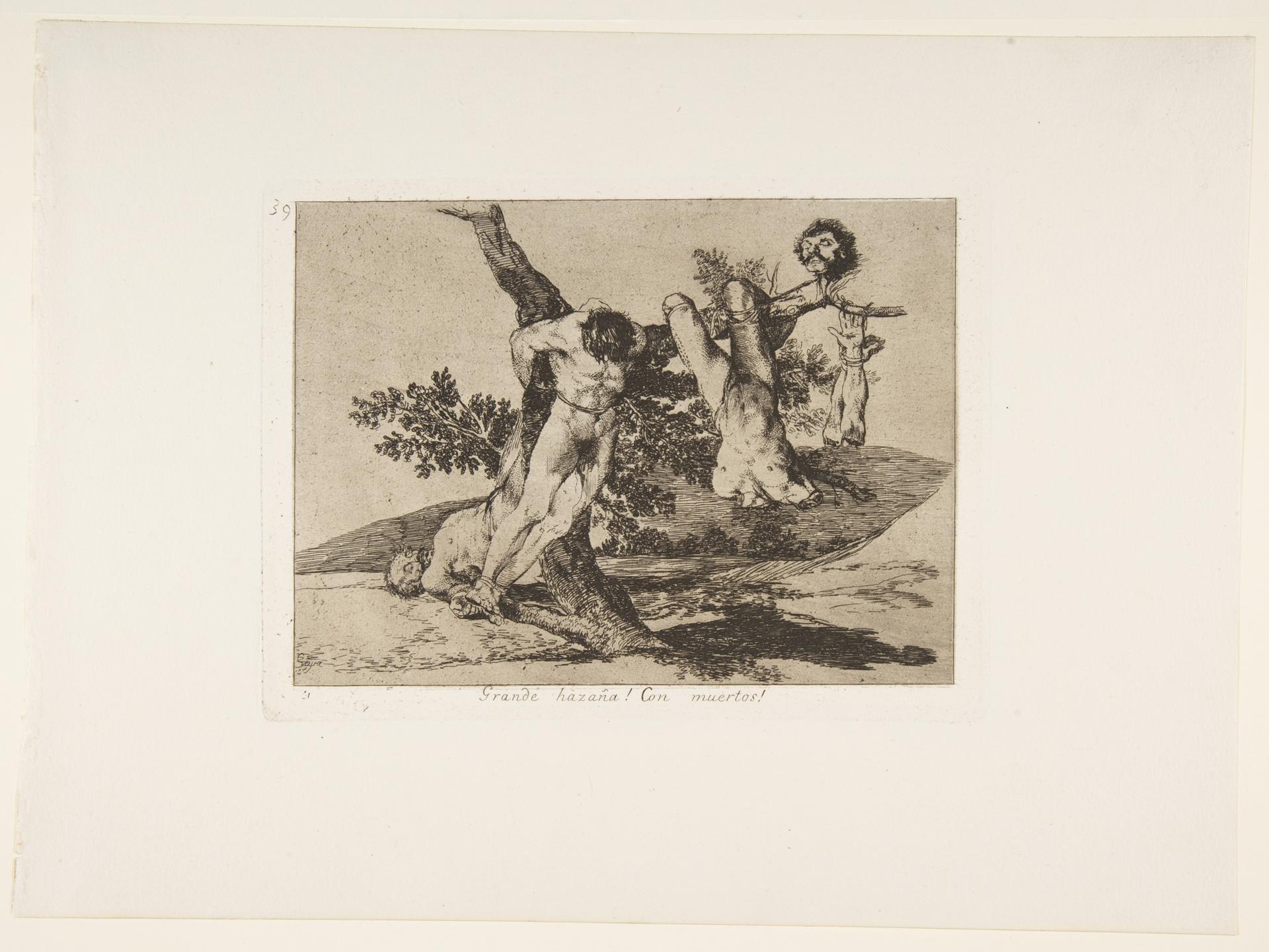
Plate 39 from "The Disasters of War" (Los Desastres de La Guerra): 'An heroic feat! With dead men!' (Grande hazaña! Con muertos!)
Original title: Plate 39 from "The Disasters of War" (Los Desastres de La Guerra): 'An heroic feat! With dead men!' (Grande hazaña! Con muertos!)
kurzbeschreibung
In plate 39 of Francisco de Goya's etching series 'The Disasters of War', two men engage in a bitter duel. Created around 1810 but not published until 1863, the work combines etching, lavis, and drypoint. It belongs to a series in which Goya recorded the violent excesses of the Spanish War of Independence, exposing both the senselessness and the brutality of the events.
Description
A muscular man is being hoisted into the air from the left, while his opponent on the right grips a branch and prepares to strike. Trees and shrubs suggest an outdoor setting. The grey tones and the sharply unbalanced layout intensify the force of the action; lines and hatching capture the fierce movement and the drama of the moment.
Context
Between 1810 and 1820, Goya responded with this series to the French occupation of Spain and the ensuing guerrilla war. Not until 1863, 35 years after the artist's death, did the Real Academia de Bellas Artes de San Fernando publish the plates. The 39th piece belongs to the group that depicts atrocities committed by both sides without heroic glorification. The title 'Grande hazaña! Con muertos!' functions as bitter irony, unmasking the supposed heroic deed as mere handling of the dead.
Impact
The urgent arrangement and the dark tone create an immediate sense of threat. Viewers of the print are exposed to raw violence without being offered any moral framing or aesthetic美化. The irony of the title sharpens this disturbing impression by bringing out the absurdity of war.
Technique
For this plate, Goya used etching, supplemented by lavis (brush etching) and drypoint, to achieve fine transitions between light and shadow. Working on the metal plate allowed him both precise lines and soft, washed areas. The print medium was suited to disseminating the horrors of war as a complete series.
AI-generated description text
Source: Metropolitan Museum of Art · Public Domain (CC0 1.0)