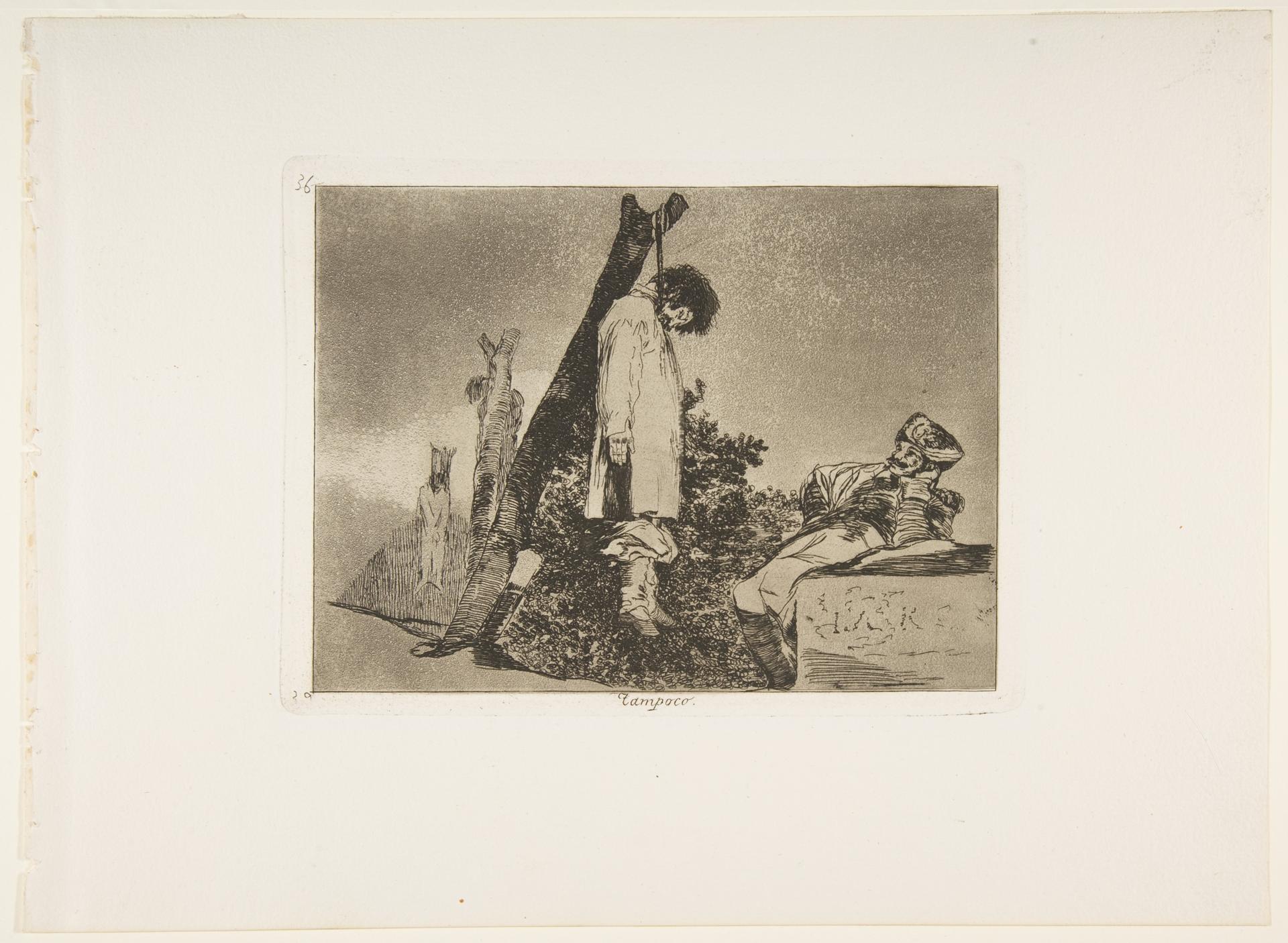
Plate 36 from 'The Disasters of War' (Los Desastres de La Guerra): 'Not [in this case] either' (Tampoco)
Original title: Plate 36 from "The Disasters of War" (Los Desastres de La Guerra): 'Not [in this case] either' (Tampoco)
kurzbeschreibung
In plate 36 of Francisco de Goya's etching series 'The Disasters of War' (Los Desastres de la Guerra), the artist combines etching, aquatint, drypoint and burin in 1810. A person hanged from a tree and a figure lying on the ground in a barren landscape are depicted. The plate was only published posthumously in 1863.
Description
Two figures dominate the image: one hangs from a branch, another lies beneath on the earth, wearing a cap, motionless or injured. The intricately worked tree stands out clearly. In the background, ruined structures suggest a war-torn environment. The grey tones of the aquatint and the varied line structures of the etching techniques create a gloomy, serious mood.
Context
Goya produced the series between 1810 and 1820 as a response to the Napoleonic Wars in Spain and the subsequent restoration. During his lifetime the plates remained unpublished; the first edition appeared in 1863. 'Tampoco' is one of those images that confront the atrocities and suffering of the civilian population. No specific occasion for this plate is documented, but it fits into the sequence of depictions of violence and death.
Impact
The sparse visual language and the sparing use of detail direct the gaze to the two bodies and evoke an oppressive, silent grief. Monochrome tones and loose lines convey something raw and immediate. The motif reads as a quiet commentary on the senselessness of death in war.
Technique
Drypoint and aquatint define the plate, with burin and burnisher used in places. This creates fine gradations between light and dark as well as soft, grainy areas. The aquatint provides flat grey tones, while drypoint and burin set precise lines and accents.
AI-generated description text
Source: Metropolitan Museum of Art · Public Domain (CC0 1.0)