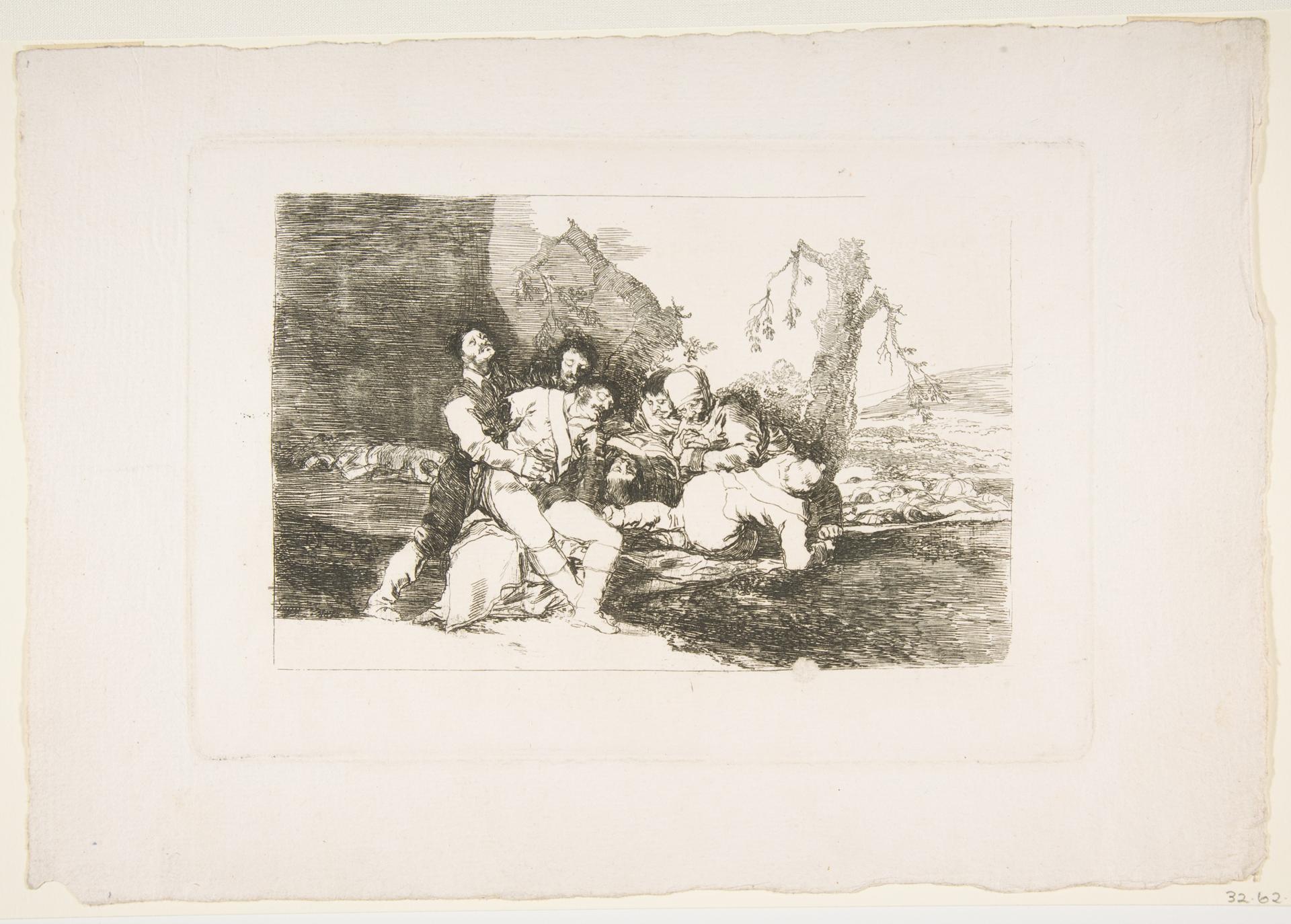
Plate 20 from "The Disasters of War" (Los Desastres de la Guerra): 'Get them well, and on to the next' (Curarlos y á otra) (1810)
Original title: Plate 20 from "The Disasters of War" (Los Desastres de la Guerra): 'Get them well, and on to the next' (Curarlos y á otra)
kurzbeschreibung
Francisco de Goya made "Bringt sie in Ordnung, und dann zur nächsten" (Curarlos y á otra) in 1810 as part of his series "The Disasters of War" (Los Desastres de la Guerra). Executed as an etching with lavis, burin, and burnisher on paper, it gathers several figures around a wounded or dying fighter whom they tend to.
Description
Around a warrior stretched on the ground, several figures crowd to support and care for him. Their garments look traditional and point to a bygone era. Behind them, bare trees rise in a desolate, ruined setting—a reference to war. Gray tones dominate the entire image, and the light remains undirected, reinforcing the somber mood. The realistic, detailed style focuses attention on human gestures and the burden of war.
Context
Between 1810 and 1820, Goya created his series "Los Desastres de la Guerra" as a response to the Napoleonic Wars and the Spanish War of Independence. Only in 1863, long after the artist's death, were the etchings published, because during his lifetime they were considered too critical. This sheet, plate 20, belongs to those works that bring the suffering of civilians under wartime violence into view.
Impact
The tight framing and reduced gray values evoke a sense of oppression, almost confinement, that brings the distress of those depicted immediately close. The diffuse light and devastated landscape underscore the message of war's senselessness and engage the viewer through their realistic intensity.
Technique
For this print, Goya used etching with lavis, in which acid is applied to the plate to achieve soft tonal gradations. Burin and burnisher were also employed to sharpen lines and bring out details. The present impression is a proof, indicating an early stage of the printing process.
AI-generated description text
Source: Metropolitan Museum of Art · Public Domain (CC0 1.0)