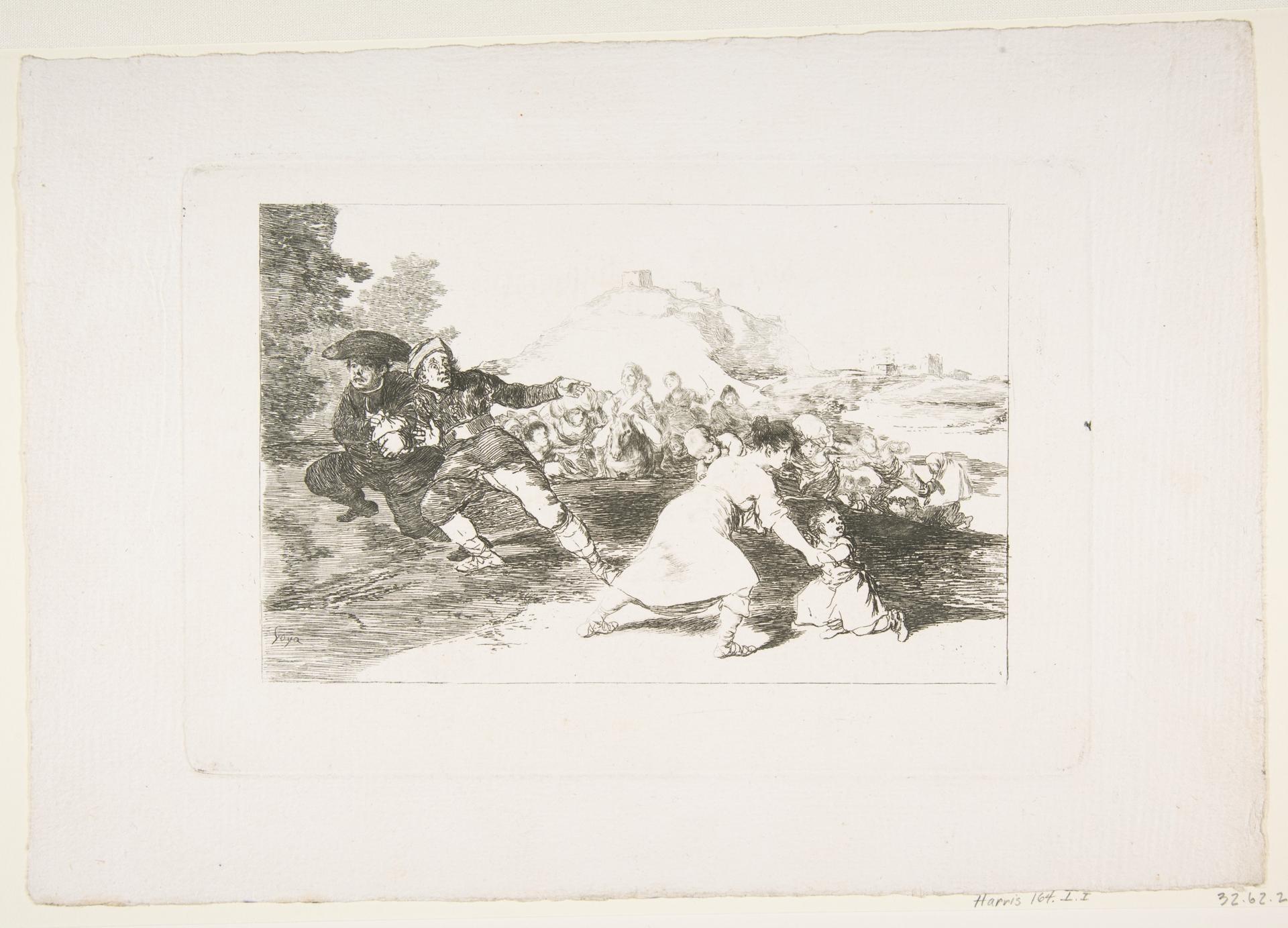
Plate 44 from 'The Disasters of War' (Los Desastres de la Guerra): 'I saw it' (Yo lo vi)
Original title: Plate 44 from "The Disasters of War" (Los Desastres de la Guerra): 'I saw it' (Yo lo vi)
kurzbeschreibung
Plate 44 from Goya's etching series 'The Disasters of War', made in 1810, presents a fierce close-quarters fight. Etching, drypoint and burin shape a group of men clashing in a rural setting with a wall, trees and a tower.
Description
In the foreground two men grapple: one wears a cap and carries a weapon, the other draws back to strike. More figures wrestle behind them, so the combat spreads. A field bounded by a wall and trees forms the stage; a tower or castle rises above. The traditional clothing of the figures and the even, shadow-poor light belong to the graphic treatment. The layout drives toward the struggles.
Context
Between 1810 and 1820, Goya responded to the Napoleonic Wars in Spain and the Spanish War of Independence with the series 'The Disasters of War'. The etchings were not published until 1863, long after Goya's death. Plate 44 is titled 'Yo lo vi' (I saw it) and points to Goya's eyewitness account or to reports from contemporaries. The series is considered a ruthless portrayal of violence and human suffering.
Impact
The immediate, almost documentary rendering of the fight feels oppressive. Dense groups of figures and fine lines direct the eye to brutality, without heroic exaltation. The monochrome execution underscores the seriousness of the subject and makes the event appear as a timeless indictment of war.
Technique
Etching, supplemented by drypoint and burin, produces fine, precise lines here. The process captures textures and movements in detail, while the even light is typical of this print. The paper size of 8 3/4 × 12 5/8 inches matches the standard impressions of the series.
AI-generated description text
Source: Metropolitan Museum of Art · Public Domain (CC0 1.0)