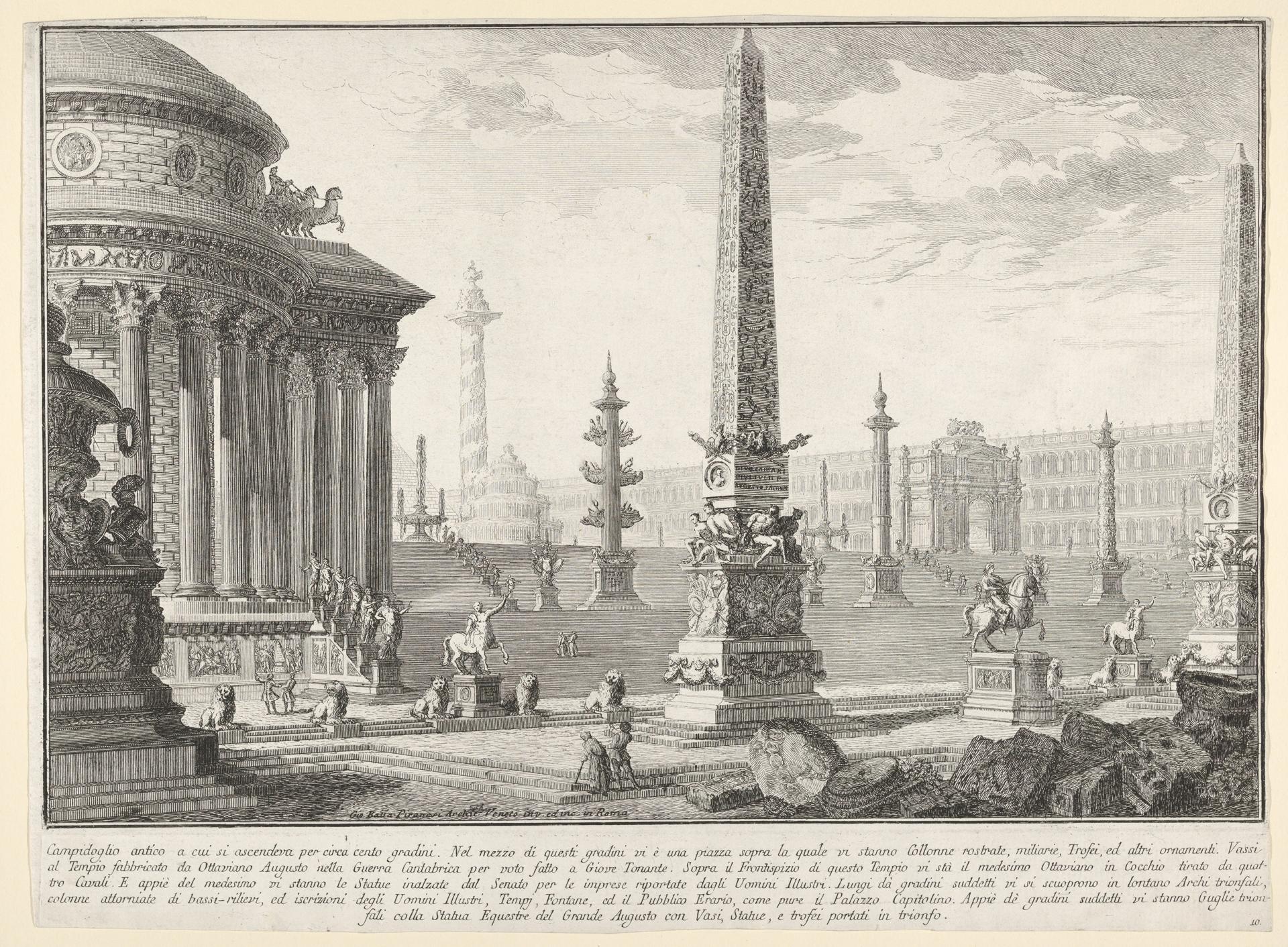
Plate 10: The ancient Capitol ascended by approximately one hundred steps [...] (Campidoglio antico a cui si ascendeva per circa cento gradini [...])
Original title: Plate 10: The ancient Capitol ascended by approximately one hundred steps [...] (Campidoglio antico a cui si ascendeva per circa cento gradini [...]), from "Part one of architecture and perspectives: drawn and etched by Gio. Batt'a Piranesi, Venetian Architect: dedicated to Nicola Giobbe" (Prima parte di Architetture, e prospettive inventate, ed incise da Gio. Batt'a Piranesi Architetto Veneziano dedicate al Sig. Nicola Giobbe)
kurzbeschreibung
Unlike many vedute of its time, this 1743 etching by Giovanni Battista Piranesi does not offer a faithful record but an idealized view of the ancient Capitoline Hill in Rome. The print belongs to the series 'Prima parte di Architetture, e prospettive', which Piranesi dedicated to the architect Nicola Giobbe. Archaeological accuracy is combined here with an invented, monumental reconstruction.
Description
A monumental temple with columns dominates the foreground, lined with figures and sculptures. A broad staircase of about one hundred steps leads up to an elevated area, which is dominated by further columns and an obelisk. Additional buildings and columns in the background emphasize the depth of the square. The drawing remains monochromatic in various shades of gray, with clear, even light distribution.
Context
In 1743 Piranesi was working in Rome as an architect and draughtsman; in that year the etching was created as part of his first published series, intended to demonstrate his ability as an inventor of architectural visions. The view of the Capitoline derives from ancient ruins but is strongly idealized and does not correspond to the actual state of the site in the eighteenth century.
Impact
Precise perspective and the monumental tiering of the architecture create an impressive sense of depth. The print conveys an idea of the grandeur and sublimity of ancient Roman building art. The calm, even lighting makes the scene appear clear and objective.
Technique
For this etching, the drawing was scratched into a copper plate covered with wax and then etched. The lines are fine and rich in detail, with different shades of gray achieved through varying etching times and hatching. The sheet measures 27 x 36.6 cm and is printed on paper.
AI-generated description text
Source: Metropolitan Museum of Art · Public Domain (CC0 1.0)