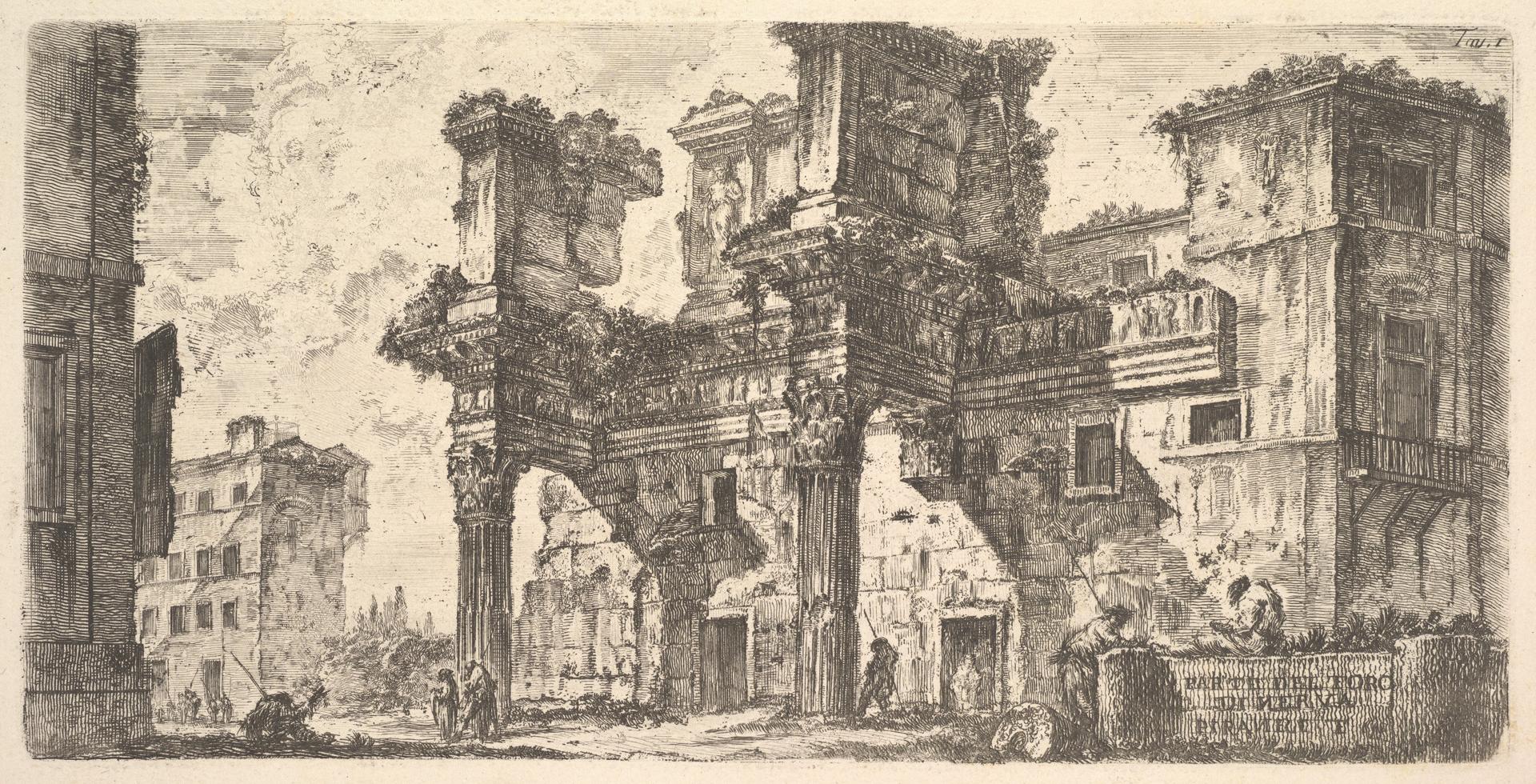
Plate 1: Part of the Forum of Nerva (Parte del Foro di Nerva), from "Antichità Romane de' Tempi della Repubblica, e de' primi Imperatori"
Original title: Plate 1: Part of the Forum of Nerva (Parte del Foro di Nerva), from "Antichità Romane de' Tempi della Repubblica, e de' primi Imperatori"
kurzbeschreibung
Giovanni Battista Piranesi made this etching around 1748. It presents the ruins of the Forum of Nerva in Rome. The sheet belongs to the series 'Antichità Romane de' Tempi della Repubblica, e de' primi Imperatori' and was produced by means of etching.
Description
Overgrown column stumps and fragments of wall from the Forum of Nerva fill the foreground, while modern buildings step back on the left. A few figures move among the debris or pause there. A cloudy sky casts soft, diffused light that brings out the structure of the ruins. The monochrome grey of the etching relies on thin lines and dense hatching.
Context
This etching is part of a series in which Piranesi recorded Roman antiquities from the Republican and early Imperial periods. Rome was then a destination of the Grand Tour, and artists captured ancient sites for a European audience. Piranesi combined close archaeological observation with artistic licence to convey the force of Roman architecture.
Impact
The viewer's eye is drawn first to the overgrown fragments, then slides to the small figures, which alone allow the scale of the buildings to be gauged. The juxtaposition of decay and endurance creates a romantic mood of ruins. Monumental remains and everyday activity come together in a lively view of the historic site.
Technique
The etching was made on a plate measuring 13.5 × 27 cm; the paper sheet measures 32.7 × 48.5 cm. Thin lines and hatching produce subtle tonal gradations that capture the light of the ruined landscape.
AI-generated description text
Source: Metropolitan Museum of Art · Public Domain (CC0 1.0)