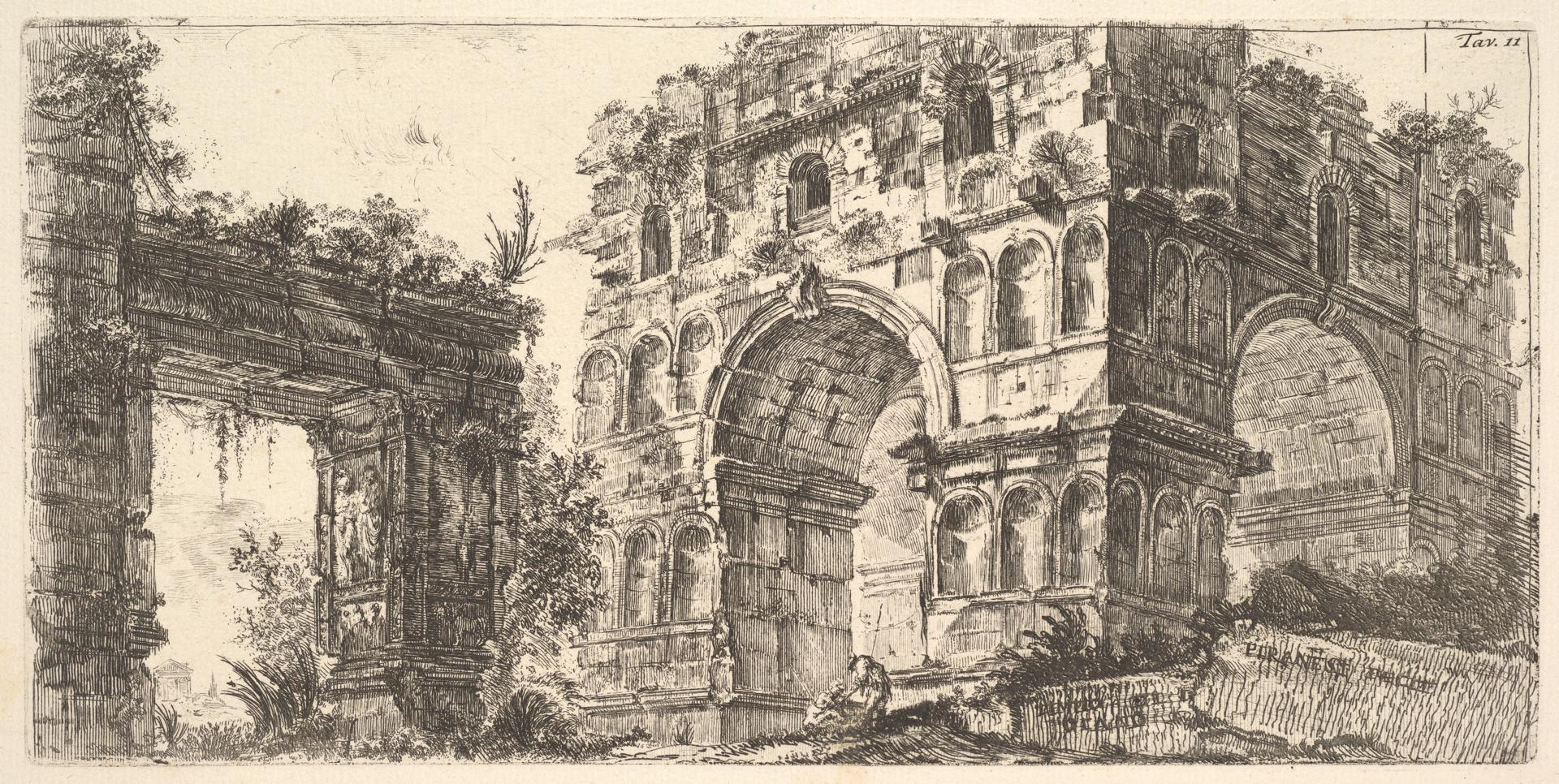
Plate 11: Temple of Janus (Tempio di Giano), from "Antichità Romane de' Tempi della Repubblica, e de' primi Imperatori"
Original title: Plate 11: Temple of Janus (Tempio di Giano), from "Antichità Romane de' Tempi della Repubblica, e de' primi Imperatori"
kurzbeschreibung
Around 1748, Giovanni Battista Piranesi made this etching of the remains of the Temple of Janus in Rome. It belongs to his series 'Antichità Romane de' Tempi della Repubblica, e de' primi Imperatori' and is executed as an etching.
Description
A perspectival view draws the eye into the depth of the building. Columns and a passage appear on the left, while the main section with tiered arcades and windows dominates the right side of the image space. A smaller portal sits above the main entrance; the roof is missing, and plants have taken hold among the ruins. Several figures in the foreground serve as a scale reference. The arrangement feels symmetrical, and light falling from the front accents the structure.
Context
The etching falls in a period of intensive archaeological exploration of Rome, when Piranesi was engaged with the relics of antiquity. The series 'Antichità Romane' was among his early projects and systematically recorded the buildings of the Roman Republic and the early imperial period. Piranesi combined precise architectural recording with artistic staging to make the grandeur of the ruins tangible.
Impact
The nuanced linework and symmetrical layout give the sheet a calm, monumental presence. The ruins feel at once documentary and painterly, which prompts the viewer to reflect on the decline of antiquity.
Technique
In this etching, lines were bitten into a wax layer on a copper plate. Fine hatching and varying line weights create sculptural shadows and textures characteristic of Piranesi's printmaking.
AI-generated description text
Source: Metropolitan Museum of Art · Public Domain (CC0 1.0)