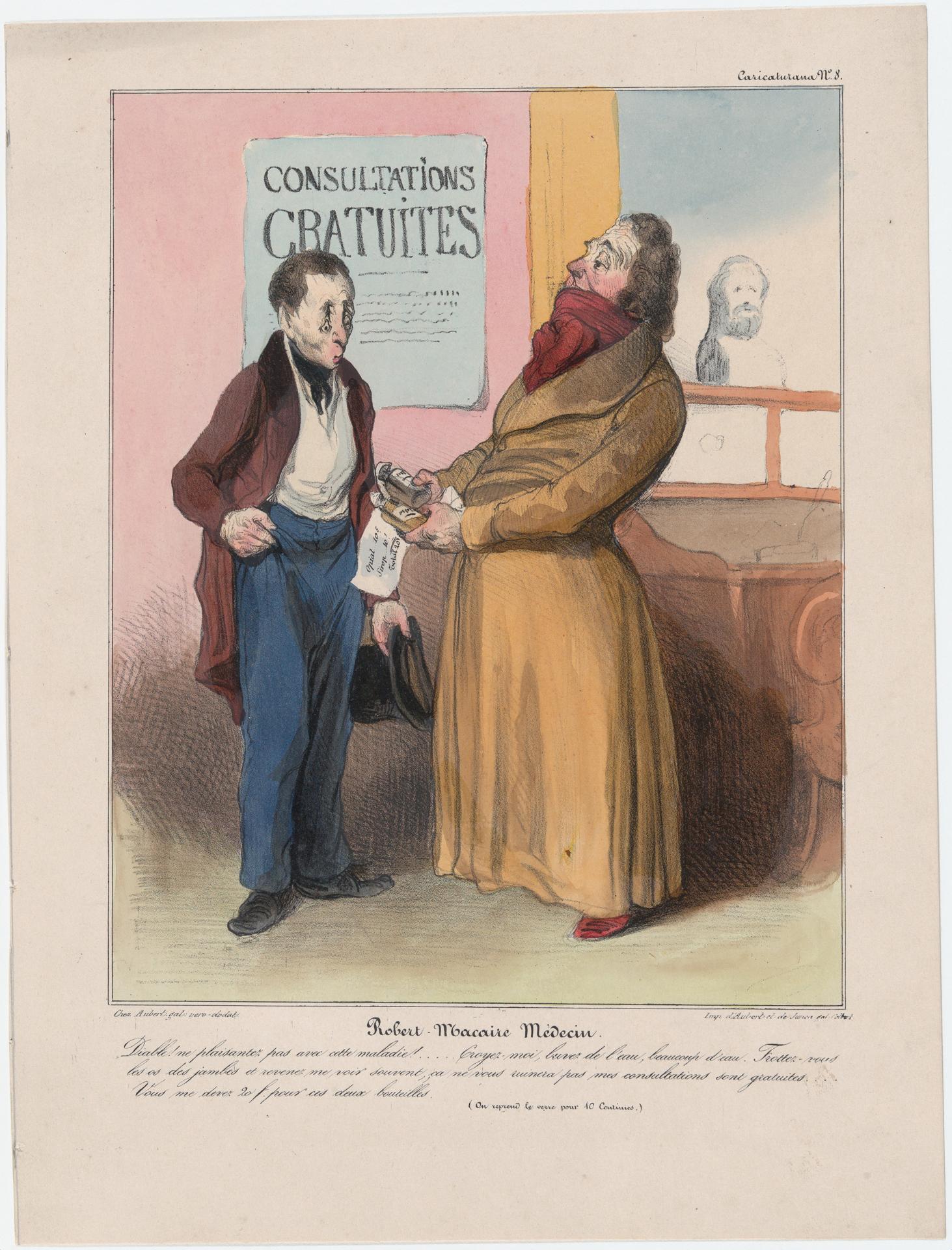
Plate 8: Robert Macaire, doctor, from 'Caricaturana,' published in Les Robert Macaires
Original title: Plate 8: Robert Macaire, doctor, from 'Caricaturana,' published in Les Robert Macaires
kurzbeschreibung
Honoré Daumier made this color lithograph in 1838, a satirical scene with two figures. It belongs to the 'Caricaturana' series, published in 'Les Robert Macaires'. The sheet survives as the second of three states (per Delteil) and was printed on wove paper.
Description
On the right stands a woman in a yellow dress and red shawl, smiling as she holds fast to a document. Beside her, a man in a red coat and blue trousers also grips a paper; his face reads as worried or annoyed. A sign lettered 'CONSULTATIONS GRATUITES' announces free advice. Another figure stays vague at the back. Colors are bright, and the light falls from the front across figures and setting alike.
Context
Under France's July Monarchy, caricature served as a common tool of social criticism, and 'Caricaturana' grew out of those years. Daumier invented Robert Macaire, a rogue and charlatan standing in for unscrupulous profiteers and swindlers. In 1838 the lithograph appeared in the journal 'Les Robert Macaires', which carried satirical attacks on the bourgeoisie and the courts. A doctor offering free consultations sends up the quacks who lured patients with empty promises.
Impact
The bright colors and the two faces pulling in opposite directions are funny at first sight. Worry in the man and a smile in the woman set up an ironic friction that invites a chuckle. The satire bites by exposing hypocrisy and greed for profit in medicine.
Technique
The sheet was printed as a color lithograph on wove paper. That method allowed fine lines and faithful detail, with colors laid down over several passes through the press. The second of three states (per Delteil) records a reworked version, usually with refinements to the drawing or the coloring.
AI-generated description text
Source: Metropolitan Museum of Art · Public Domain (CC0 1.0)