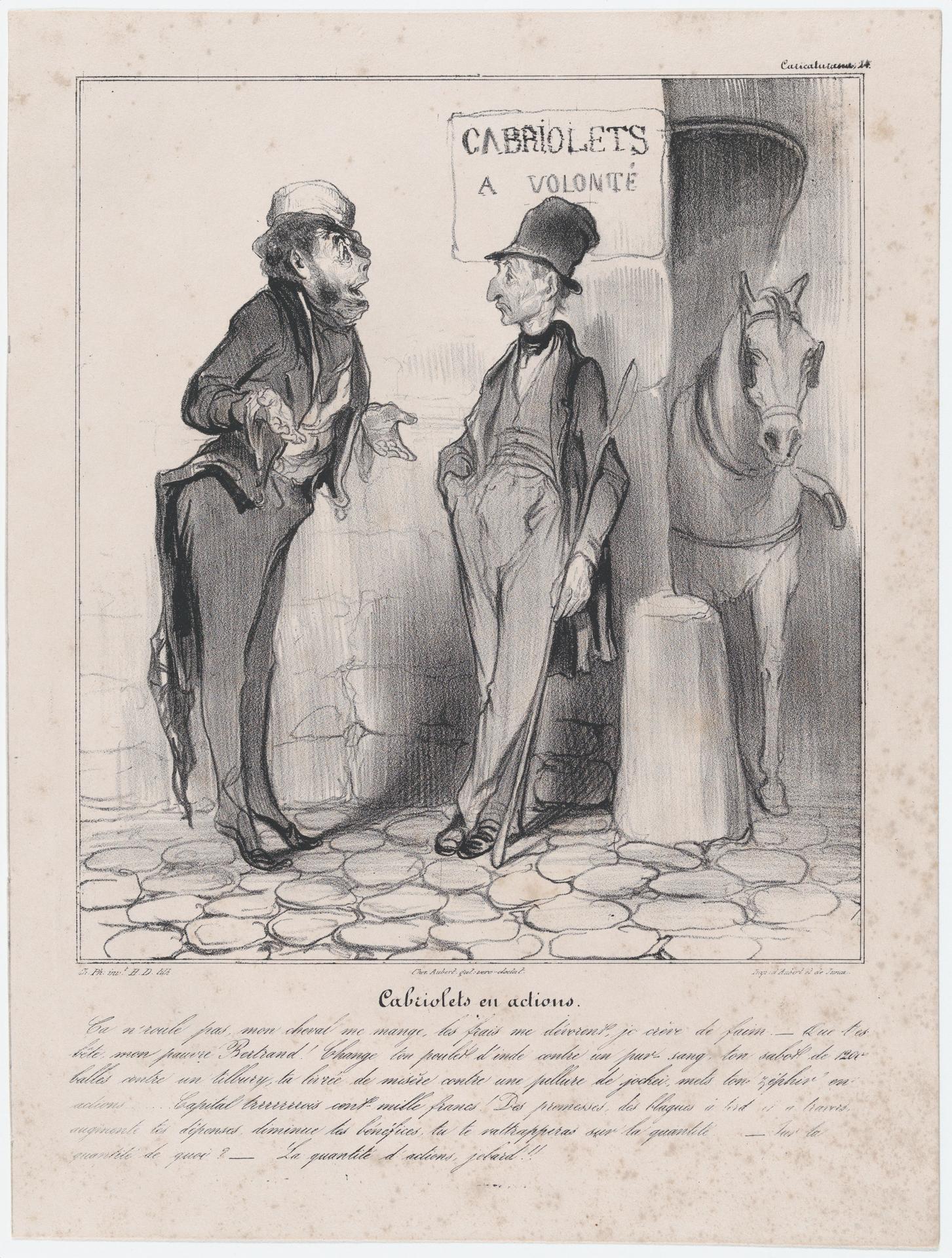
Plate 24: Gigs in action, from 'Caricaturana,' published in Les Robert Macaires
Original title: Plate 24: Gigs in action, from 'Caricaturana,' published in Les Robert Macaires
kurzbeschreibung
Two men stand in the street, deep in animated conversation. Honoré Daumier captured this scene in 1838 as a lithograph. The sheet belongs to the 'Caricaturana' series, which appeared in the journal 'Les Robert Macaires'. It was printed on wove paper, and this is the second state.
Description
On the left, a man in a cap and jacket speaks, emphasizing his words with a gesture; opposite him stands a figure in shirt and trousers, holding a stick and looking at the speaker. Behind the two, a horse is tied to a column, above which hangs a sign reading 'CABRIOLETS A VOLONTÉ'. The layout stretches horizontally, with the figures placed centrally. Light falls evenly, without harsh shadows. Caricatural features, fine lines and graduated hatching define the sheet.
Context
The motif originated in France in 1838, during a period of political and social upheaval after the July Revolution of 1830. Daumier used the 'Caricaturana' series for satirical jabs at the conditions of the July Monarchy. It was published in 'Les Robert Macaires', named after the stage character of the same name—a crook and impostor. Cabriolets and carriages bring Parisian daily life and the traffic situation of the time into the picture.
Impact
At first glance, the two speakers draw you in, their gestures and postures instantly creating a small conversation. The exaggeration of the figures amuses without being sharp or hurtful. Clear lines and a calm arrangement give the sheet a lightness, almost a casual quality.
Technique
The sheet was produced using the planographic process of lithography: a fatty crayon is drawn on a stone, from which it is then printed. The support was wove paper with its fine texture. Two states of the print exist; this is the second, in which the artist reworked the plate once more.
AI-generated description text
Source: Metropolitan Museum of Art · Public Domain (CC0 1.0)