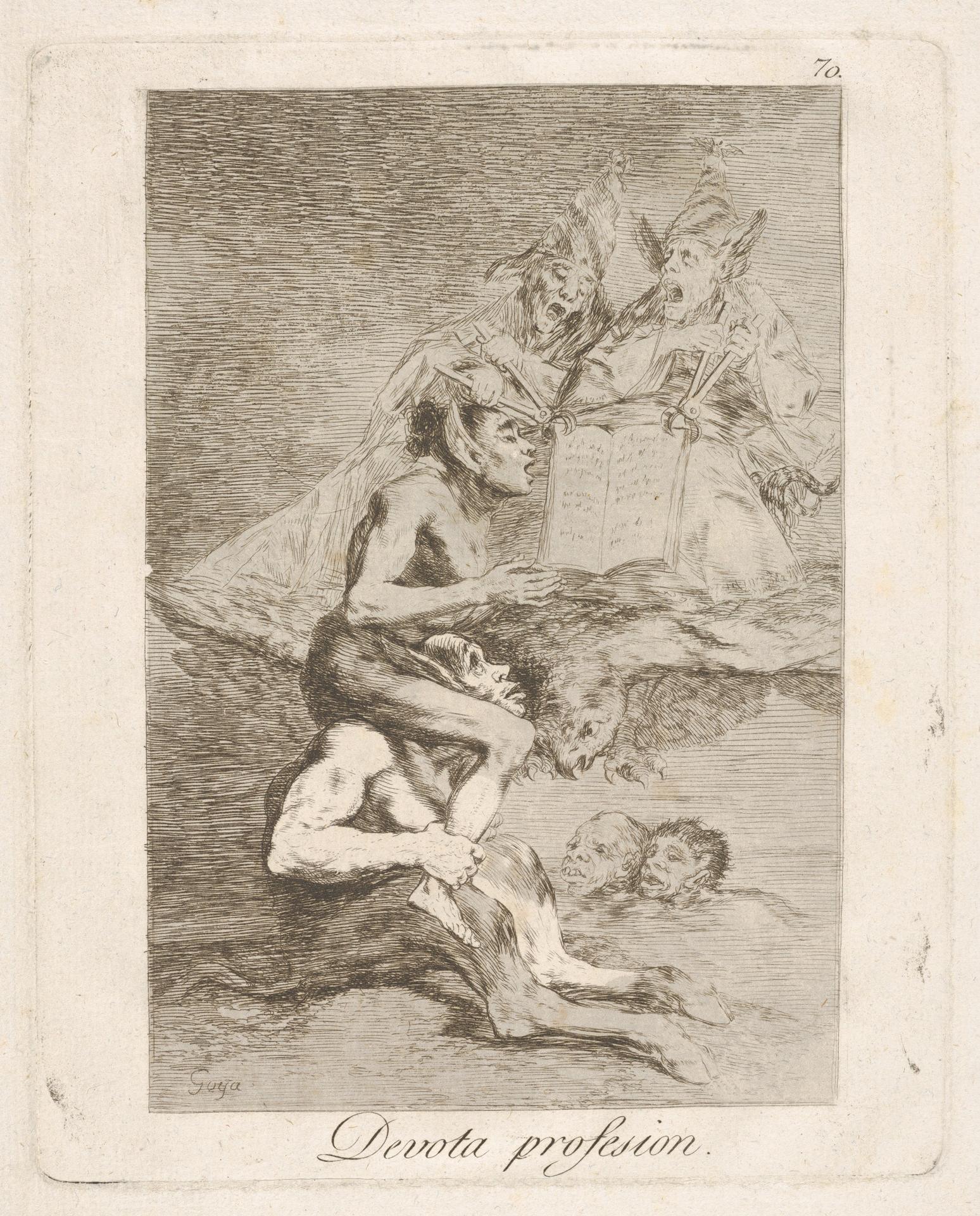
Plate 70: Devout Profession (Devota Profesion), from "Los Caprichos"
Original title: Plate 70: Devout Profession (Devota Profesion), from "Los Caprichos"
kurzbeschreibung
On plate 70 of Francisco Goya's 1799 etching series Los Caprichos, a seated figure holding a book is handled roughly by two other figures. The image was printed in etching, aquatint and drypoint. Its subject targets seemingly pious ceremonies and their rites.
Description
Up front crouches a person in plain clothing, a book in hand, looking oppressed or lost in thought. Behind, two figures appear from the back, working on the seated one with a knife-like tool. A bird can be made out in the flat, dark ground. The monochrome rendering lives off different grey values produced by the print techniques. Gloomy light sets the serious mood of the picture.
Context
Between 1797 and 1799 Goya made the series Los Caprichos, which came out in 1799 as a cycle of 80 plates. In it he took up social ills, superstition and church customs of his time. Plate 70 is among the Caprichos that deal satirically with religious rituals. The work is held as a public-domain digitized image in the collection of the Metropolitan Museum of Art.
Impact
The murky lighting and the threatening action create an oppressive atmosphere. That the figures in the background remain anonymous heightens the sense of being at their mercy and the criticism of institutionalized practices. The nuanced tonal values of the aquatint give the plate painterly depth.
Technique
It was printed on paper in etching with aquatint and drypoint. The finely graded greys are owed to aquatint, while drypoint contributes strong, slightly raised lines. The interplay of both processes yields a rich tonal range with sculptural shadow effects.
AI-generated description text
Source: Metropolitan Museum of Art · Public Domain (CC0 1.0)