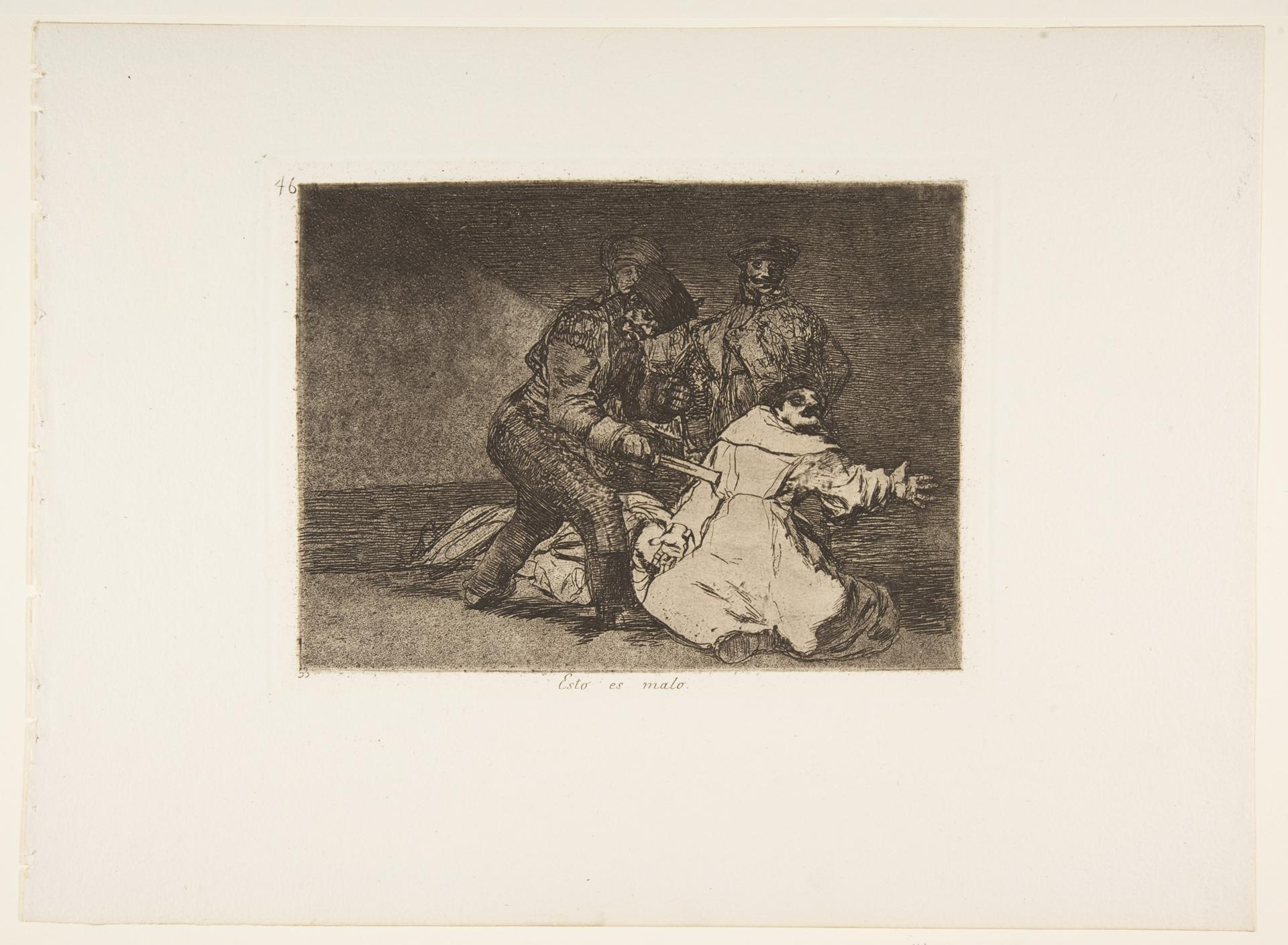
Plate 46 from "The Disasters of War" (Los Desastres de la Guerra): 'This is bad' (Esto es malo)
Original title: Plate 46 from "The Disasters of War" (Los Desastres de la Guerra): 'This is bad' (Esto es malo)
kurzbeschreibung
Francisco de Goya y Lucientes made the etching 'Esto es malo' in 1810, though it was not published until 1863, after his death. It belongs to the series 'The Disasters of War' and shows soldiers pressing in on a defenceless man in light clothing who lies on the ground. The print forces the viewer to confront violence against civilians.
Description
Soldiers in uniform surround a fallen man dressed in white, aiming a weapon at him. The man on the ground appears abandoned and desperate, while the soldiers move with aggressive superiority. A dark, undefined background deepens the gloom. Sharp contours and detailed rendering define the figures. Greys dominate, with subdued light falling on the central action.
Context
Goya created 'The Disasters of War' between 1810 and 1820 as a response to the Napoleonic Wars in Spain and their consequences, particularly the Spanish War of Independence (1808–1814). Publishing it during his lifetime was considered too politically risky, so the etchings only appeared posthumously in 1863. The plates record atrocities committed by French troops as well as by Spanish guerrillas and civilians. 'Esto es malo' belongs to a group that depicts the consequences of violence and the suffering of civilians.
Impact
A sense of oppression and threat arises from the dark, undefined surroundings and the focused light on the violent scene. The helpless figure in white stands in sharp contrast to the soldiers' aggression, stirring a strong feeling of powerlessness and horror.
Technique
An etching with burnished aquatint, lavis, drypoint, burin and burnisher. These techniques allow fine gradations of light and shadow that carry the sombre mood. Etching and aquatint produce soft tonal transitions, while drypoint and burin provide precise lines for the contours.
AI-generated description text
Source: Metropolitan Museum of Art · Public Domain (CC0 1.0)