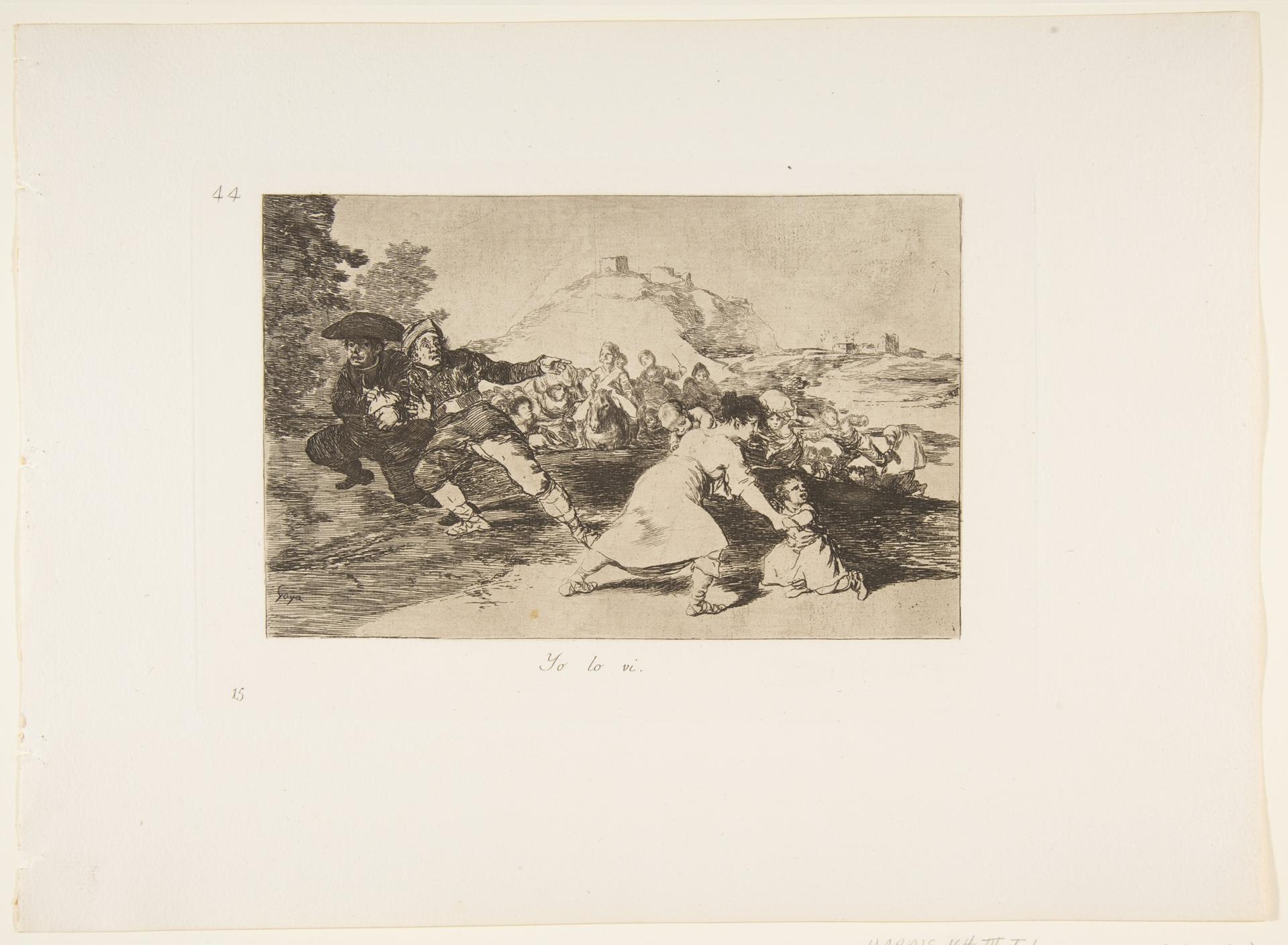
Plate 44 from "The Disasters of War" (Los Desastres de la Guerra): 'I saw it' (Yo lo vi)
Original title: Plate 44 from "The Disasters of War" (Los Desastres de la Guerra): 'I saw it' (Yo lo vi)
kurzbeschreibung
Goya's etching 'Yo lo vi' ('I saw it') belongs to the series 'The Disasters of War', made in 1810 but not published until 1863, after his death. A group of people in a rural setting is caught up in a bitter quarrel, their emotions running high.
Description
In the foreground two men fight fiercely: one kneels, gripping a stick, while the other has fallen to the ground and is held by a woman. Behind them more figures crouch on the earth, some watching what happens. Hills with trees and buildings form the backdrop. The image feels restless and charged, lit evenly and without any discernible shadow.
Context
Between 1810 and 1820 Goya made these etchings as a response to the Napoleonic wars in Spain and their aftermath. They were only published in 1863, long after his death, by the Royal Academy of San Fernando. The title 'Yo lo vi' ('I saw it') stresses that Goya claimed to have witnessed the cruelties himself.
Impact
The print pulls the events close to the viewer and stirs a sense of unease. The even lighting and precise execution heighten the urgency without turning the scene into heroics.
Technique
Executed as an etching, with drypoint and burin added, on paper. This method allows fine lines and exact shading that bring out the details of the figures and the landscape. The plate measures 15.8 × 23.5 cm, the sheet 25 × 34.3 cm.
AI-generated description text
Source: Metropolitan Museum of Art · Public Domain (CC0 1.0)