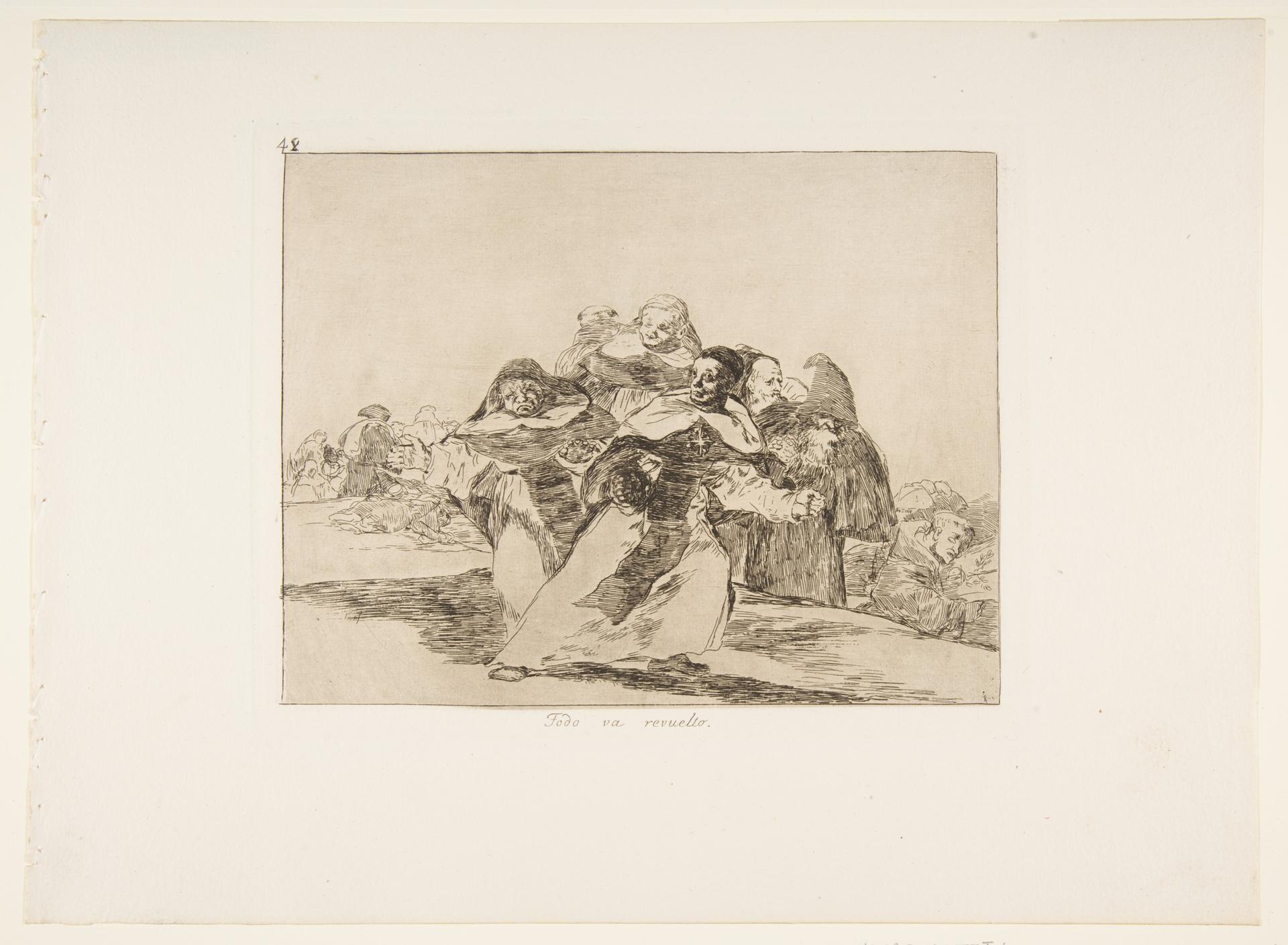
Plate 42 from "The Disasters of War" (Los Desastres de la Guerra): 'Everything is topsy-turvey' (Todo va revuelto)
Original title: Plate 42 from "The Disasters of War" (Los Desastres de la Guerra): 'Everything is topsy-turvey' (Todo va revuelto)
kurzbeschreibung
Francisco de Goya y Lucientes made this etching, 'Everything Is in Disarray' (Todo va revuelto), in 1810, though it was not published until 1863. It belongs to the series 'The Disasters of War' (Los Desastres de la Guerra), which confronts the brutality of the Spanish War of Independence. The print presents a confused scene of several people in a desperate situation, with one central figure held or carried by others.
Description
Your eye is pulled at once to a central figure in the foreground, surrounded by several people who seem to support or carry him. This man wears a robe and looks on with worry. The layout feels asymmetrical and cramped. Even in the rear, more figures are caught up in the jumble. Dark black-and-white tones and a wealth of fine lines and hatching set the mood and reinforce the restless energy of the event.
Context
The series 'The Disasters of War' was created between 1810 and 1820, during and after the Spanish War of Independence (1808–1814) against Napoleonic occupation. The prints were only published in 1863, 35 years after Goya's death, by the Real Academia de Bellas Artes de San Fernando in Madrid. Plate 42 belongs to a group of etchings that address the famine in Madrid (1811–1812) as a consequence of war. The series is regarded as one of the earliest documentary depictions of wartime atrocities in art history.
Impact
The darkness and chaos of the scene create an oppressive atmosphere that draws you directly into the figures' distress. The fine etching technique, with its expressive hatching, gives the print a restless, dynamic effect and heightens its emotional force. The restriction to black and white and the focus on human despair make this plate a haunting record of war's consequences.
Technique
For 'Everything Is in Disarray', Goya used drypoint and burin, producing fine and precise lines. The plate measures 17.2 × 21.7 cm, the sheet 25.2 × 24.2 cm. The interplay of etching and burin work opens a broad tonal range from deep shadows to delicate grays, giving the scene its expressive depth.
AI-generated description text
Source: Metropolitan Museum of Art · Public Domain (CC0 1.0)