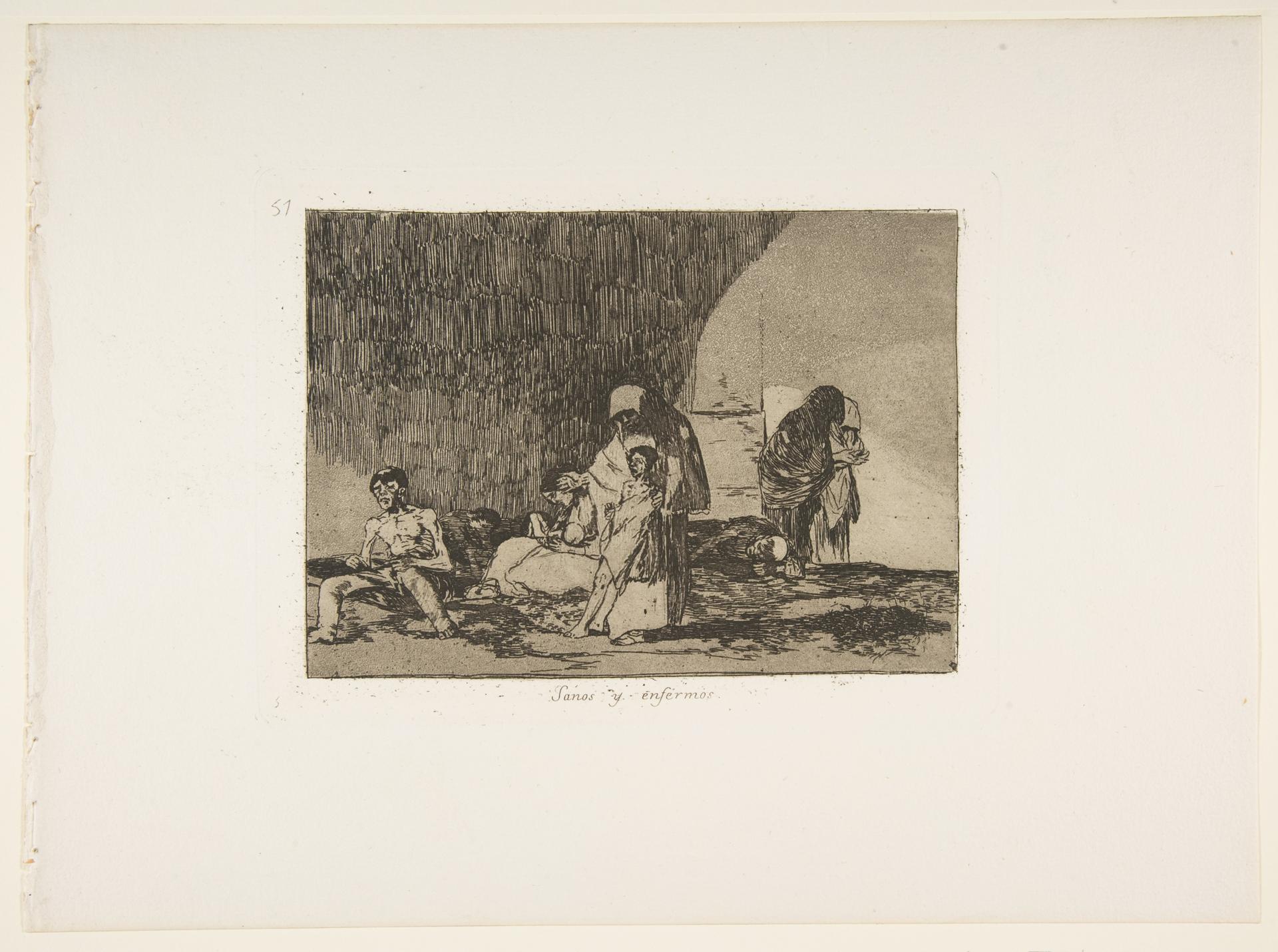
Plate 57 from "The Disasters of War" (Los Desastres de la Guerra): 'The healthy and the sick' (Sanos y enfermos)
Original title: Plate 57 from "The Disasters of War" (Los Desastres de la Guerra): 'The healthy and the sick' (Sanos y enfermos)
kurzbeschreibung
Sheet 57 from Goya's 'The Disasters of War' brings together several people in a makeshift shelter. The etching was made in 1811–12, executed with aquatint, and only appeared in 1863. The subject is the plight of the wounded and sick during the Spanish War of Independence.
Description
In the foreground a shirtless man sits on a bench; his hand is injured. Beside him a woman rests on the ground, gently held at the shoulder by a person in an apron—likely a nurse. A second aproned figure stands further back, watching. The light stays subdued and falls on the figures, creating a grave mood. The grey tones of the sheet result from etching and aquatint.
Context
This plate belongs to 'Los Desastres de la Guerra', a series made between 1810 and 1820 in which Goya recorded the horrors of the Spanish War of Independence and the famines that followed. The cycle was only published in 1863, after Goya's death, by the Royal Academy of San Fernando. The sick and wounded shown in makeshift rooms point to the actual conditions in the war zones.
Impact
The restrained lighting and focus on a few figures create an intimate but oppressive atmosphere. Without sentimental heightening, the viewer is confronted directly with human suffering. The sparing use of colour underlines the seriousness of the subject.
Technique
Etching with burnished aquatint, further worked with drypoint and burnisher. Aquatint allows fine tonal gradations that capture the soft light and the texture of fabrics and skin. From the interplay of these processes the sheet gains its detailed, realistic appearance.
AI-generated description text
Source: Metropolitan Museum of Art · Public Domain (CC0 1.0)