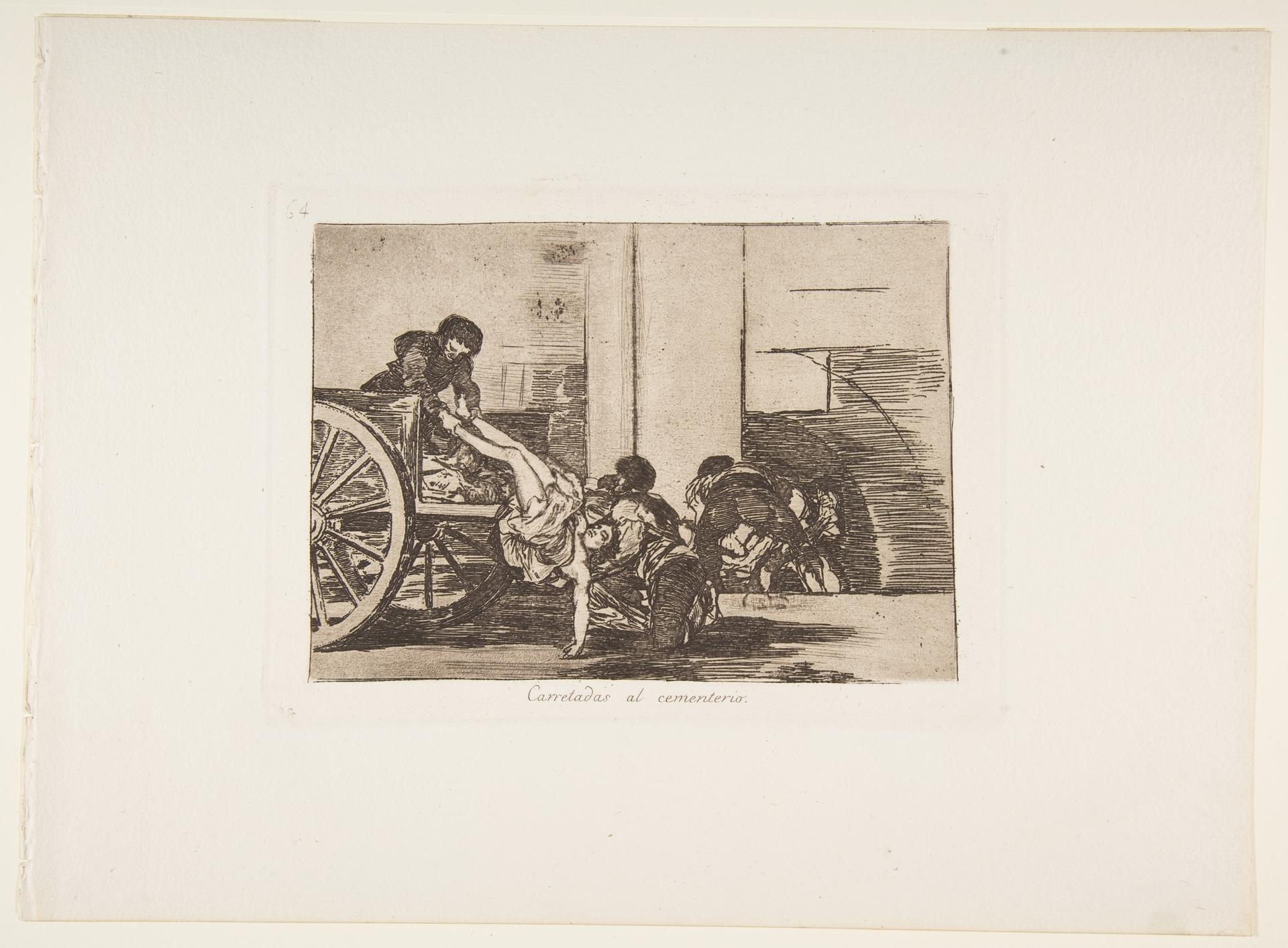
Plate 64 from 'The Disasters of War' (Los Desastres de la Guerra): 'Cartloads to the cemetery' (Carretadas al cementerio)
Original title: Plate 64 from "The Disasters of War" (Los Desastres de la Guerra): 'Cartloads to the cemetery' (Carretadas al cementerio)
kurzbeschreibung
Goya, the Spanish master, created plate 64 from his series 'The Disasters of War' (Los Desastres de la Guerra) as a haunting study of corpses being carted to the cemetery. The work dates from 1811–12 but was not published until 1863. Technically, it combines drypoint etching with burnished aquatint.
Description
A crowd surrounds a cart loaded with bodies. Some of those present heave the dead onto the wagon; others watch with a silent gaze. Several bodies, some shrouded, already lie on the flatbed. The setting reveals itself as a plain interior reminiscent of a warehouse. Light falling from the left accentuates the shadows and surfaces of the figures and the vehicle.
Context
Goya's series 'The Disasters of War' emerged during the Spanish War of Independence (1808–1814) against Napoleonic occupation. The plates were only published in 1863, long after the artist's death, by the Academia de San Fernando in Madrid. This motif belongs to a group of images dealing with the war's consequences for the civilian population. The series comprises 82 etchings that confront war in its cruelty and senselessness.
Impact
The print presents itself soberly, almost documentarily, and precisely for that reason feels oppressive and matter-of-fact. Monochrome greys and a clear lighting scheme create a sombre, serious mood. Without pathos or heroisation, the viewer is confronted with the plain reality of death.
Technique
For this plate Goya used a mixture of drypoint, etching and burnished aquatint. While drypoint produces fine, sharp lines, aquatint allows soft tonal gradations. The result is a nuanced rendering of light and shadow that underscores the gloomy atmosphere of the scene.
AI-generated description text
Source: Metropolitan Museum of Art · Public Domain (CC0 1.0)