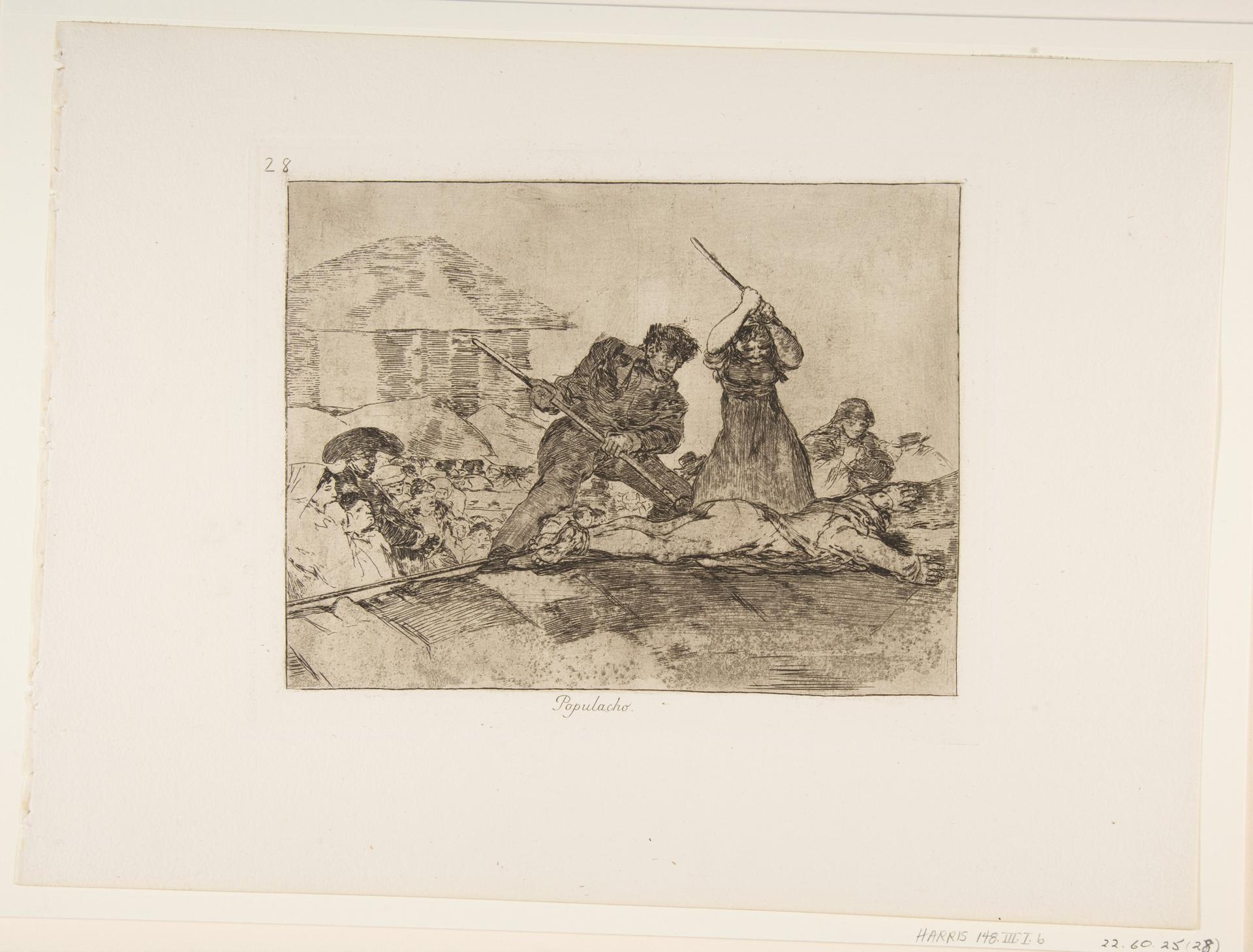
Plate 28 from "The Disasters of War" (Los Desastres de la Guerra): 'Rabble' (Populacho)
Original title: Plate 28 from "The Disasters of War" (Los Desastres de la Guerra): 'Rabble' (Populacho)
kurzbeschreibung
The 28th plate from Francisco de Goya's series 'The Disasters of War' (Los Desastres de la Guerra) was made around 1810 but not published until 1863. This etching with lavis, drypoint, burin and burnisher presents a violent confrontation among civilians during the Spanish War of Independence.
Description
Two figures lie on the ground, one motionless, perhaps unconscious or dead, while another person advances threateningly with a raised rifle. Behind the motionless figure stands a third person, also armed, looking down. Further back, several people can be seen, some fleeing, others resisting, and a simple house frames the action. The layout feels chaotic and charged with aggression, rendered in graded greys with even lighting that brings out the outlines.
Context
Between 1810 and 1820, Goya created this series in response to the French occupation of Spain and the ensuing conflicts. However, the prints were only published in 1863, after the artist's death, by the Academia de Bellas Artes de San Fernando in Madrid. 'Populacho' brings into focus the brutality that also erupted within the civilian population, and testifies to Goya's rejection of violence, regardless of which side committed it.
Impact
This plate conveys an immediate sense of threat: the sight of the defenceless person on the ground and the aggressive movements of the attackers evoke a feeling of oppression. The delicate lines and the lavis deepen the sombre mood and make the cruelty almost physically palpable.
Technique
This print is an etching, supplemented by lavis, drypoint, burin and burnisher – a combination that allows the finest transitions between light and dark. The lavis creates soft, tonal areas, while drypoint and burin provide precise details and structures. The paper format is larger than the plate, which is characteristic of the prints in this series.
AI-generated description text
Source: Metropolitan Museum of Art · Public Domain (CC0 1.0)