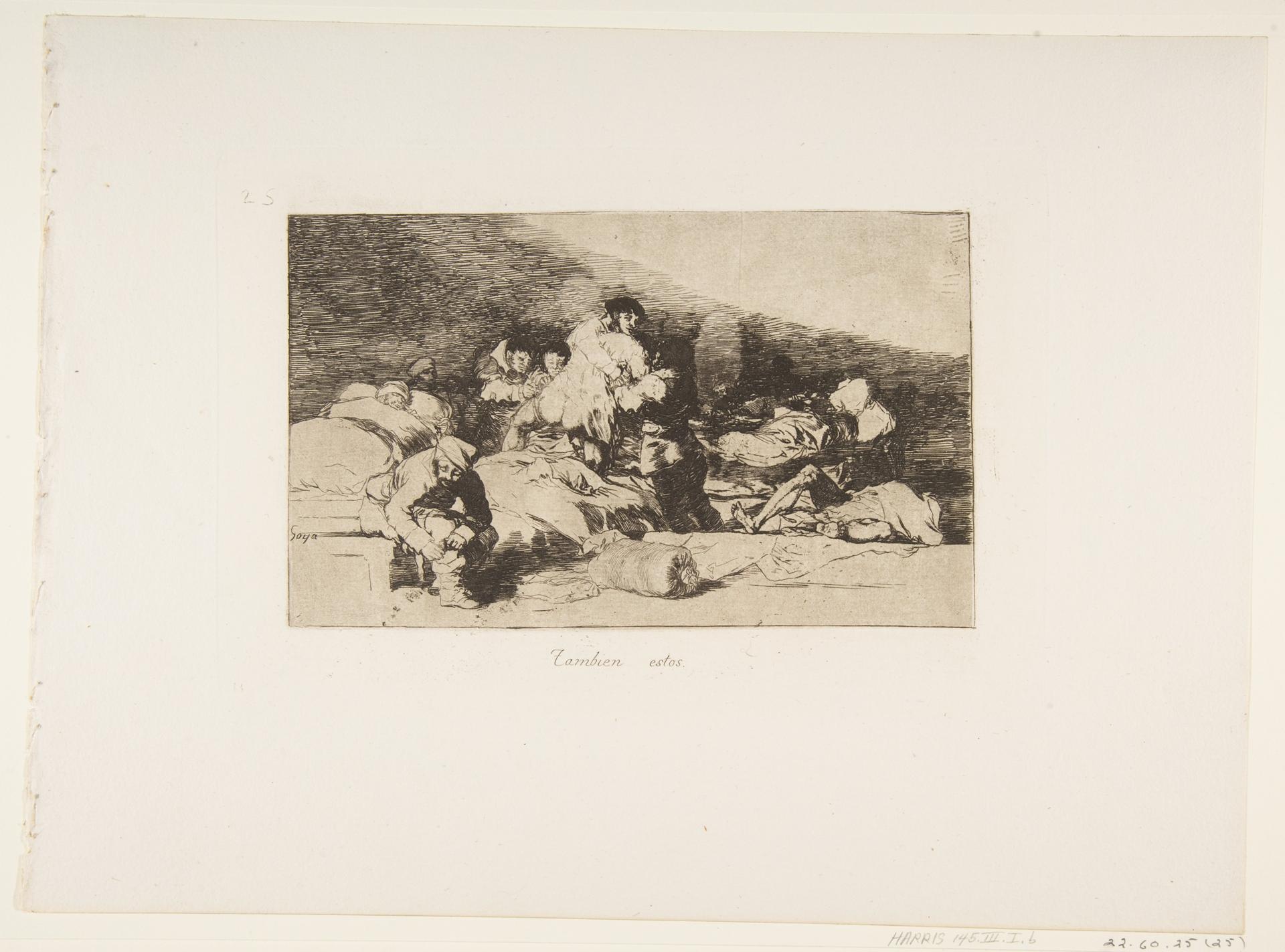
Plate 25 from 'The Disasters of War' (Los Desastres de la Guerra): 'These too' (Tambien estos)
Original title: Plate 25 from "The Disasters of War" (Los Desastres de la Guerra): 'These too' (Tambien estos)
kurzbeschreibung
Plate 25 from Francisco Goya's etching series "The Disasters of War" (Los Desastres de la Guerra) is titled "Auch diese" (Tambien estos). Created in 1810 but not published until 1863, the print shows a group of war victims in a desolate area. Executed with drypoint and burin, it measures 16.5 × 23.5 cm and belongs to a set of 82 works that record the horrors of the Spanish War of Independence.
Description
In a gloomy, barren landscape, several people are seen. Some lie on the ground, others stand or kneel. Their plain but precisely rendered clothing suggests poverty and deprivation. Light falls from the upper left, deepening the shadows and reinforcing the sombre mood. The layout feels asymmetrical: the figures crowd together in the middle, while the background remains dark.
Context
Between 1810 and 1820, the plates of the "Disasters" were made, triggered by the French occupation of Spain and the ensuing war. The series was not published until 1863, 35 years after Goya's death, by the Real Academia de Bellas Artes de San Fernando in Madrid. "Auch diese" is one of those plates that depict the suffering of the civilian population without showing a specific battle. During those years, Goya was employed as court painter but increasingly took a critical stance on political events.
Impact
The contrast between dark shadows and sparse light creates an oppressive, serious atmosphere. Suffering and helplessness are presented directly and forcefully, without sentimental exaggeration. The viewer is confronted with the stark reality of war, which leaves a lasting emotional impact.
Technique
For this plate, Goya used etching combined with drypoint and burin to achieve fine lines and deep shadows. Working on the copper plate allowed him both delicate details and strong contrasts. It was printed in black on white paper, with grey tones created through different etching stages.
AI-generated description text
Source: Metropolitan Museum of Art · Public Domain (CC0 1.0)