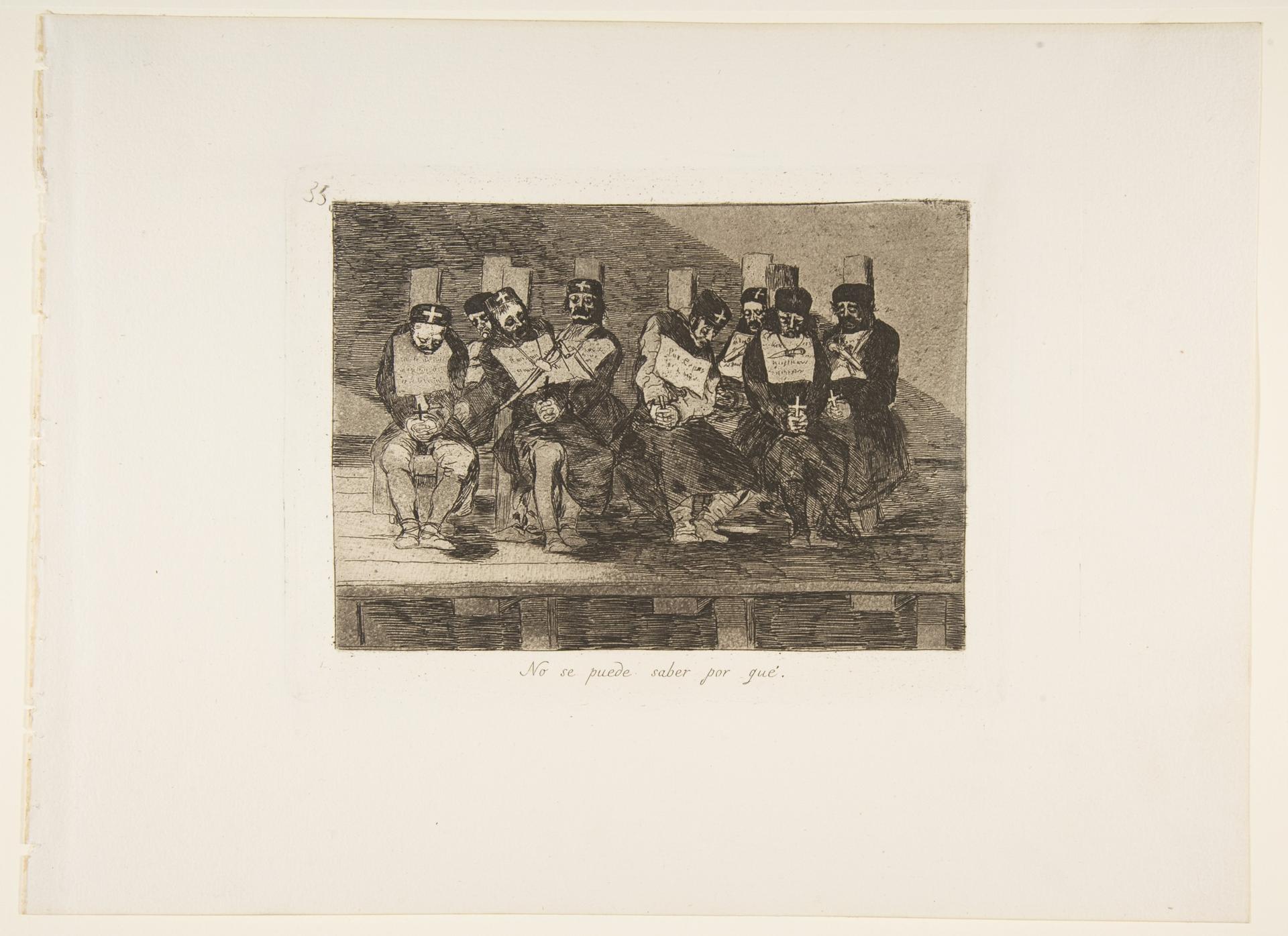
Plate 35 from "The Disasters of War" (Los Desastres de La Guerra): 'One Can't Tell Why' (No se puede saber por qué)
Original title: Plate 35 from "The Disasters of War" (Los Desastres de La Guerra): 'One Can't Tell Why' (No se puede saber por qué)
kurzbeschreibung
Goya devotes sheet 35 of his etching cycle "The Disasters of War" to a gathering of ten uniformed men on a raised platform. Made around 1810 and supplemented with lavis, drypoint, and burin, the print circles around the arbitrariness of wartime events. Without any tangible occasion, the motif resembles a tribunal or a formal assembly.
Description
Ten military men are seated on a podium, wearing hats marked with crosses. Several hold papers or documents in their hands. The men line up side by side, creating a symmetrical layout. The background remains dark and bare, so the figures command all attention. Subdued light falls on faces and upper bodies, generating tension.
Context
Between 1810 and 1820, Goya responded to the Napoleonic Wars in Spain and the Spanish War of Independence with the cycle "The Disasters of War." The prints were not published until 1863, long after the artist's death. Sheet 35 belongs to a group of etchings that address the famine in Madrid and the consequences of war. Since the exact occasion of the scene is not documented, the title "No se puede saber por qué" remains programmatic.
Impact
The lined-up figures and the dark, reduced background create an oppressive, almost ritual mood. Because the action remains unclear — men with papers, yet without any discernible purpose — a stifling sense of meaninglessness arises. Goya's sober formal language heightens the print's intensity, entirely without pathos or heroization.
Technique
The sheet is executed as an etching with burnished lavis, along with drypoint and burin. This process produces fine shading and a soft, gray tone that carries the somber atmosphere. Sharp contours and detailed engraving demonstrate Goya's confident handling of printmaking.
AI-generated description text
Source: Metropolitan Museum of Art · Public Domain (CC0 1.0)