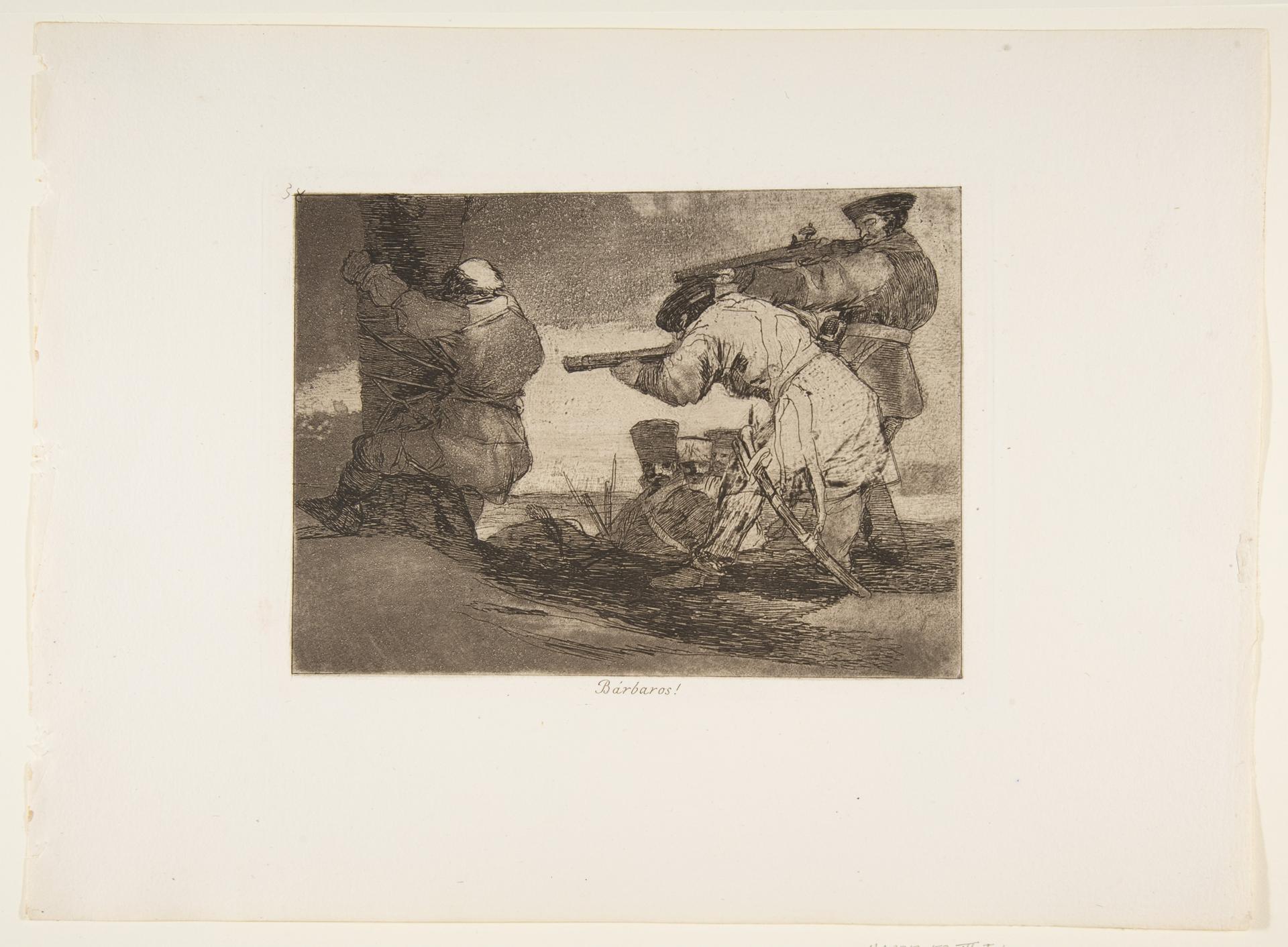
Plate 38 from "The Disasters of War" (Los Desastres de La Guerra): 'Barbarians!' (Bárbaros!)
Original title: Plate 38 from "The Disasters of War" (Los Desastres de La Guerra): 'Barbarians!' (Bárbaros!)
kurzbeschreibung
In Goya's etching 'Bárbaros!' from the series 'The Disasters of War', armed men confront a kneeling figure. The plate was made in 1810, during the Spanish War of Independence, but the series was not published until 1863, long after the artist's death.
Description
Two men with rifles aim their weapons at a person kneeling in the middle of the image. The figure appears defenseless and threatened. The clothing suggests a past era. The background remains dark and blurred, drawing attention to the group in front. The layout is irregular, creating a grim, tense mood.
Context
Between 1810 and 1820, Goya responded to the French occupation of Spain and the ensuing War of Independence with 'Los Desastres de la Guerra'. The plates remained unpublished during his lifetime; the first edition appeared in Madrid in 1863. Plate 38, titled 'Bárbaros!', is among those works that turn against the violence of the insurgents. Goya served as court painter, yet his war scenes show the suffering of civilians without glossing over it.
Impact
The image creates a sense of immediate danger and hopelessness that challenges the viewer. Dark shadows and bright outlines of the figures heighten the drama. The moment feels still yet intense — a moment of violence that lingers in the memory.
Technique
For this subject, Goya used etching, burnished aquatint, burin, and burnisher on paper. Aquatint provides fine tonal gradations, while the burin creates precise lines. Combining both techniques yields nuanced shading and an accurate rendering of the figures.
AI-generated description text
Source: Metropolitan Museum of Art · Public Domain (CC0 1.0)