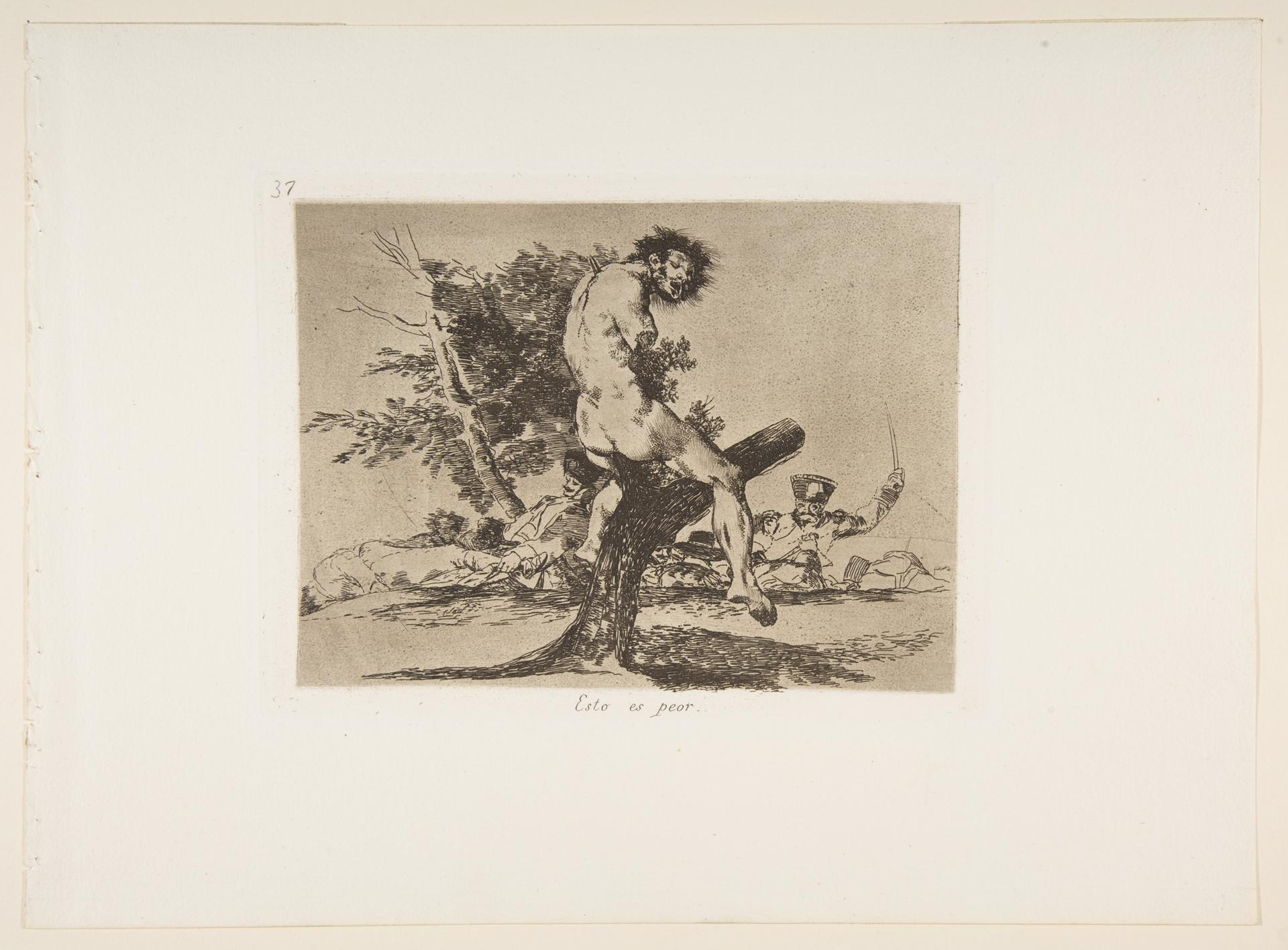
Plate 37 from "The Disasters of War" (Los Desastres de La Guerra): This is worse (Esto es peor)
Original title: Plate 37 from "The Disasters of War" (Los Desastres de La Guerra): This is worse (Esto es peor)
kurzbeschreibung
Francisco de Goya y Lucientes made this etching in 1810 as part of his series Los Desastres de la Guerra, which records the Spanish War of Independence in unflinching images. The present sheet, plate 37, is titled Esto es peor (This is worse) and centers on a body impaled on a tree trunk. Goya used etching, lavis, and drypoint for the execution.
Description
A human body, pierced by a trunk, dominates the plate; its form is disfigured and covered with wounds, which emphasizes the cruelty of the event. Around it appear other figures caught up in the fighting, some lying on the ground. Rocks and various objects are scattered over the uneven terrain, while dark tones and a restless layout carry the somber mood. Below the image is the caption Esto es peor (This is worse).
Context
Between 1810 and 1820 Goya worked on Los Desastres de la Guerra as a response to the horrors of the Spanish War of Independence (1808–1814). The etchings first appeared in print only in 1863, after the artist's death. Plate 37 belongs to a group of plates dealing with the aftermath of battle and the dehumanization brought by war. The series is regarded as an early precursor of modern war reporting in the visual arts.
Impact
A sense of oppression sets in when looking at it: the expressive design and the dark underlying tone make the horror of war immediately palpable. The disfigured body and the unsettled arrangement convey this dread directly. Monochrome and rough texture heighten the impression of rawness and despair.
Technique
Etching, lavis, and drypoint came together in this plate to achieve fine gradations and dark areas. The lavis allowed soft tonal transitions, while drypoint provided strong, irregular lines. The sheet is held in a single color, with light-dark contrasts supporting the dramatic effect.
AI-generated description text
Source: Metropolitan Museum of Art · Public Domain (CC0 1.0)