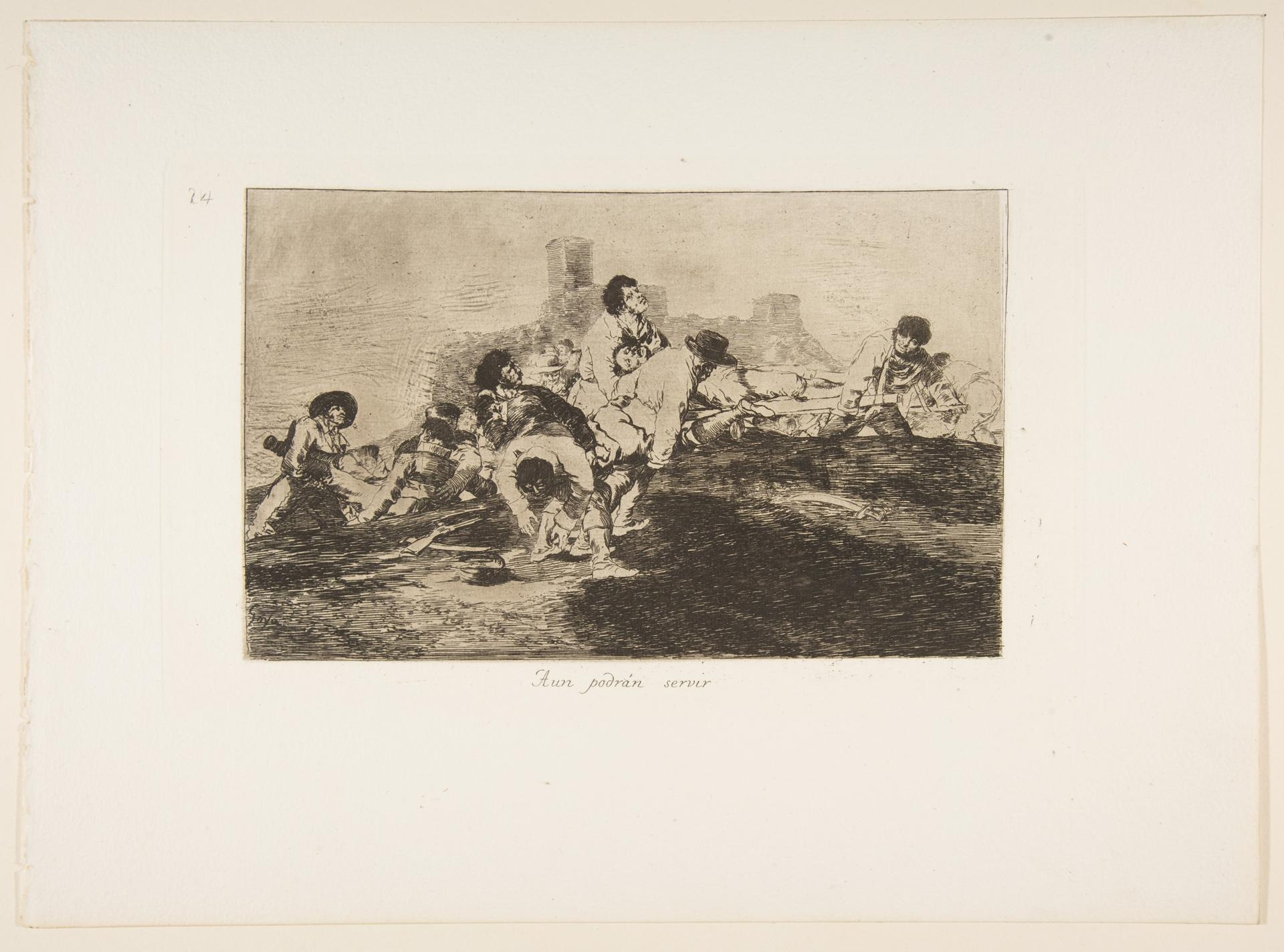
Plate 24 from "The Disasters of War" (Los Desastres de la Guerra): They can still be of use (Aun podrán servir)
Original title: Plate 24 from "The Disasters of War" (Los Desastres de la Guerra): They can still be of use (Aun podrán servir)
kurzbeschreibung
In 1810 Francisco de Goya made this etching, which gathers a group of people around a fallen fighter, wounded or dying. It belongs to the series 'The Disasters of War', created between 1810 and 1820 but not published until 1863, after Goya's death. The series comprises 82 etchings that probe the horrors of the Spanish War of Independence.
Description
A tight cluster of figures in historical dress presses around a prostrate warrior; some support or tend to him. Ruins and a barren landscape rise behind them, underscoring the destruction of war. Grey tones dominate the image, and the light is even, avoiding harsh shadows, which creates a sombre mood. The style feels realistic, yet the postures and emotional exchanges among the figures lend it dramatic force.
Context
Goya worked on the series between 1810 and 1820, during and after the Spanish War of Independence against Napoleonic occupation. This etching was made in 1810, but like the entire series it was first published in 1863 in Madrid. The title 'They can still be of use' ironically plays on the usefulness of war victims — a recurring motif in Goya's critical engagement with war and violence.
Impact
The even light and muted greys produce an oppressive, almost documentary stillness. The vulnerability of the people and the ruined surroundings evoke deep sorrow and make the senselessness of war immediately palpable.
Technique
Etching with drypoint and burnisher allows fine lines and soft transitions. Goya used the etching process to work out figures and landscape in detail; the paper impression shows the grey tonal range typical of this technique.
AI-generated description text
Source: Metropolitan Museum of Art · Public Domain (CC0 1.0)