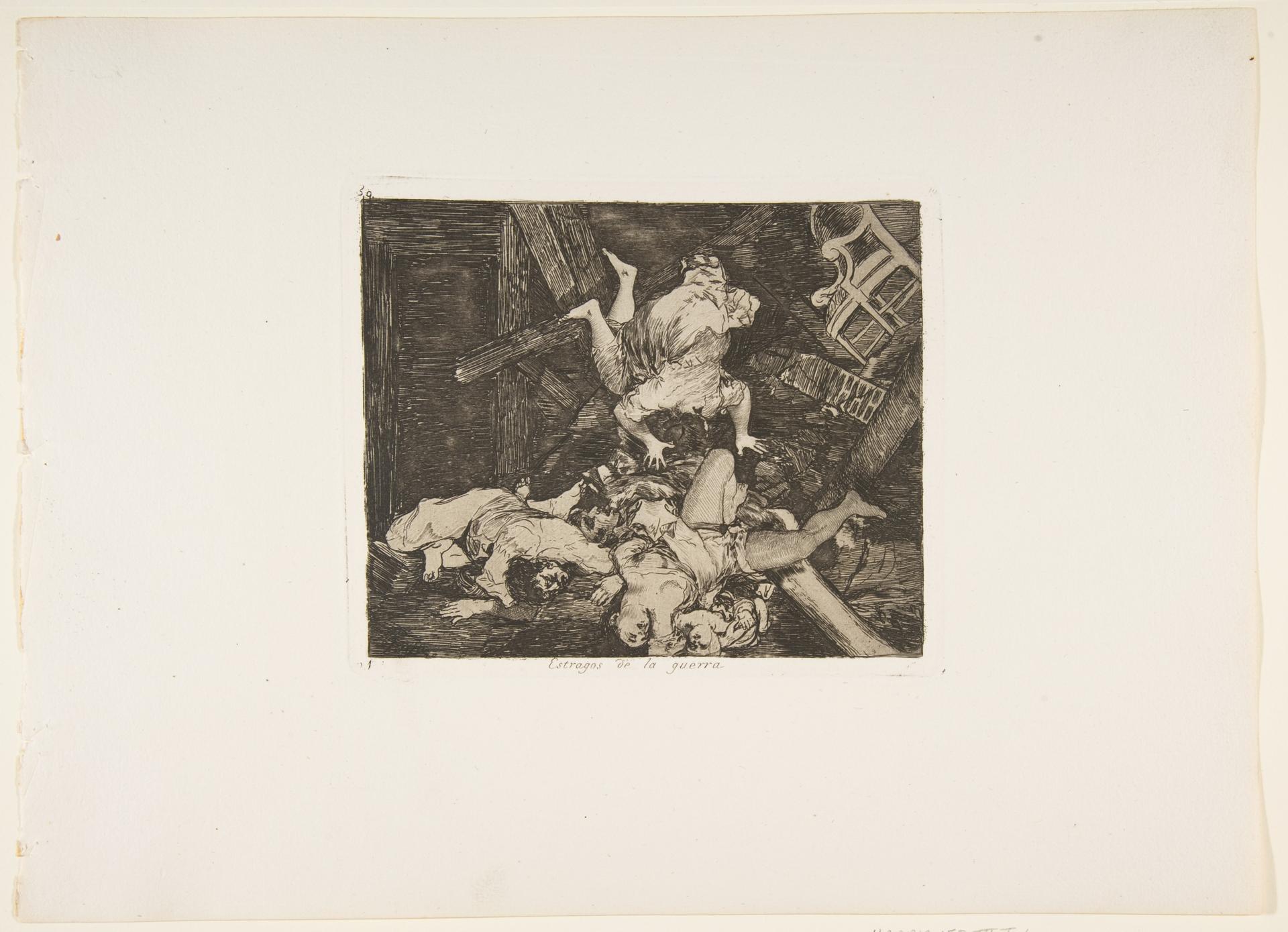
Plate 30 from "The Disasters of War" (Los Desastres de la Guerra): Ravages of war (Estragos de la guerra)
Original title: Plate 30 from "The Disasters of War" (Los Desastres de la Guerra): Ravages of war (Estragos de la guerra)
kurzbeschreibung
Made around 1810 and published in 1863, this etching by Francisco de Goya y Lucientes belongs to the series 'The Disasters of War'. It presents a scene from the conflict: ruined buildings and people suffering hardship and death. In this way the artist denounces the cruelty of the Spanish War of Independence.
Description
On the ground in the foreground lie several lifeless or wounded figures, their bodies twisted into awkward, contorted poses. From a window in the background, a man tries to escape, clutching a long object and putting up resistance. Dark tones dominate the image, while sharp lines intensify its force. The absence of color, as is typical of an etching, underscores the sorrow and torment of those shown. The style remains realistic, yet with a dramatic edge.
Context
Between 1810 and 1820 Goya created the series, prompted by the events of the Spanish War of Independence against Napoleon's troops. Not until 1863, long after the artist's death, did the Royal Academy of San Fernando in Madrid issue the prints. The cycle ranks among the earliest artistic indictments of the horrors of war, and it manages without political propaganda.
Impact
The dark contrasts and contorted bodies create a mood of oppression and compassion. The suffering feels immediate and harrowing, without heroic embellishment, leaving the viewer to face the sheer cruelty of war.
Technique
The print was executed in drypoint, supplemented by burin and burnisher, which allows for fine lines and graduated tones. The plate measures only 14 × 16.8 cm, encouraging a concentrated, intimate effect. The technique permits both precise details and expressive hatching that deepen the somber atmosphere.
AI-generated description text
Source: Metropolitan Museum of Art · Public Domain (CC0 1.0)