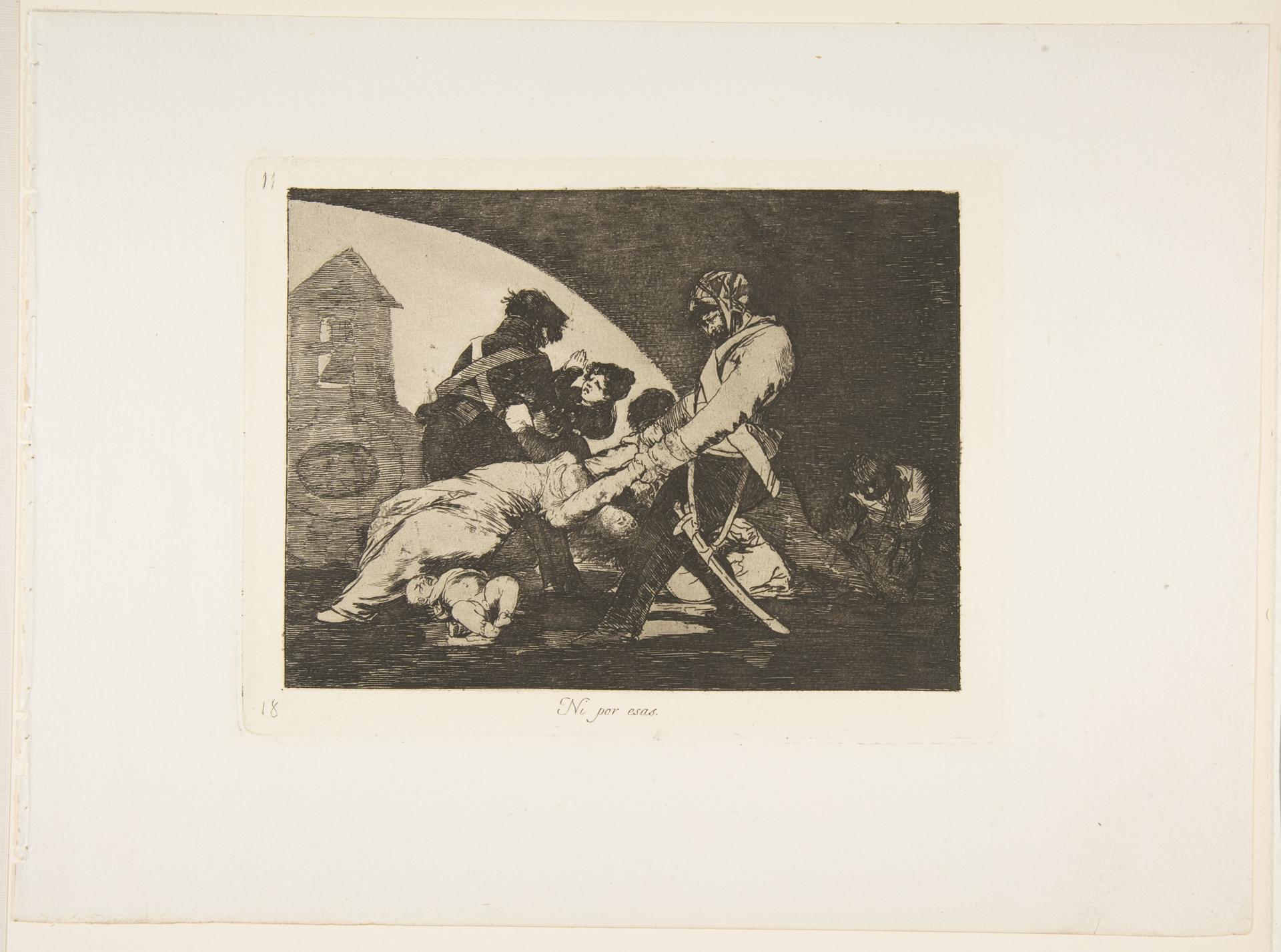
Plate 11 from "The Disasters of War" (Los Desastres de la Guerra): 'Neither do these' (Ni por esas)
Original title: Plate 11 from "The Disasters of War" (Los Desastres de la Guerra): 'Neither do these' (Ni por esas)
kurzbeschreibung
In 1810, Francisco de Goya y Lucientes made 'Ni por esas' (Not Even That) for his print series 'The Disasters of War'. The etching, with lavis, drypoint and burin, presents a group of people caught in a violent conflict. The plate measures 16.1 × 21.2 cm.
Description
Along the bottom edge, a figure lies on the ground, while around it others are in motion — some appear to fight, others recoil or collapse helplessly. Behind them rises a ruined building that deepens the grim mood. The layout is deliberately uneven, emphasizing the confusion; the light seems murky, and the graded greys add to the serious atmosphere.
Context
The series 'The Disasters of War' was created between 1810 and 1820 as Goya's response to the Napoleonic Wars in Spain and the Spanish War of Independence. Yet the prints were not published until 1863, long after Goya's death. They record the horrors of war, especially executions and the suffering of civilians.
Impact
The murky lighting and chaotic arrangement create a threatening, oppressive effect. The realistic yet dramatically charged view of the events makes the horrors of war immediate.
Technique
Goya used etching, drypoint, burin and lavis. The lavis technique allows soft tonal transitions, while drypoint and burin provide precise lines and details. The printing plate measures 16.1 × 21.2 cm.
AI-generated description text
Source: Metropolitan Museum of Art · Public Domain (CC0 1.0)