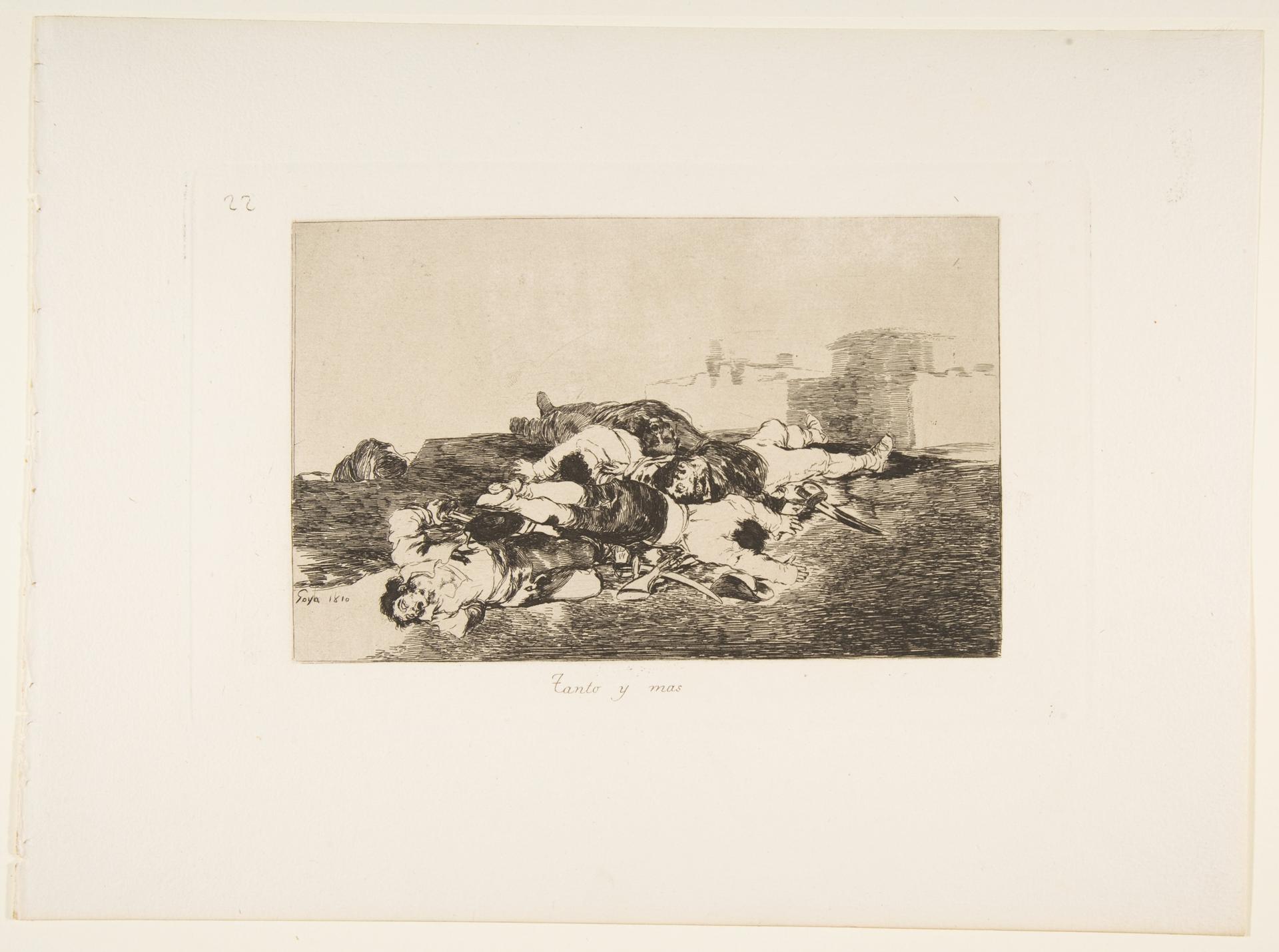
Plate 22 from "The Disasters of War" (Los Desastres de la Guerra): 'Even worse' (Tanto y mas) (1810 (published 1863))
Original title: Plate 22 from "The Disasters of War" (Los Desastres de la Guerra): 'Even worse' (Tanto y mas)
kurzbeschreibung
This image belongs to Goya's series Los Desastres de la Guerra and is titled Noch schlimmer (Even Worse). It is the 22nd plate of the sequence, created by Goya in 1810 and published posthumously in 1863. Executed as an etching with lavis and burin, it confronts the viewer with the devastating aftermath of a massacre in a ruined city.
Description
Several people lie on the ground, injured or dead, in motionless, helpless postures. Behind them rise debris and ruins, indicating a devastated environment. The layout feels deliberately unbalanced, underscoring the chaos of the event. Gray tones and diffuse light create a somber atmosphere, while sharp outlines and precise details define the realistic, slightly dramatic style.
Context
Between 1810 and 1820, the series was created as a response to Napoleon's occupation of Spain and the ensuing War of Independence. The plates, however, were not published until 1863, long after Goya's death, by the Real Academia de Bellas Artes de San Fernando. The 22nd plate bears the title Tanto y mas, which names the escalation of violence.
Impact
An oppressive, pitiable mood emanates from this print, making the horrors of war immediately palpable. The uneven arrangement and gloomy light heighten the sense of disorientation and despair.
Technique
The etching is executed with lavis—a kind of ink wash—and burin. This combination produces fine shadings and deep contrasts that precisely capture the surface of the ruins and the details of the figures.
AI-generated description text
Source: Metropolitan Museum of Art · Public Domain (CC0 1.0)