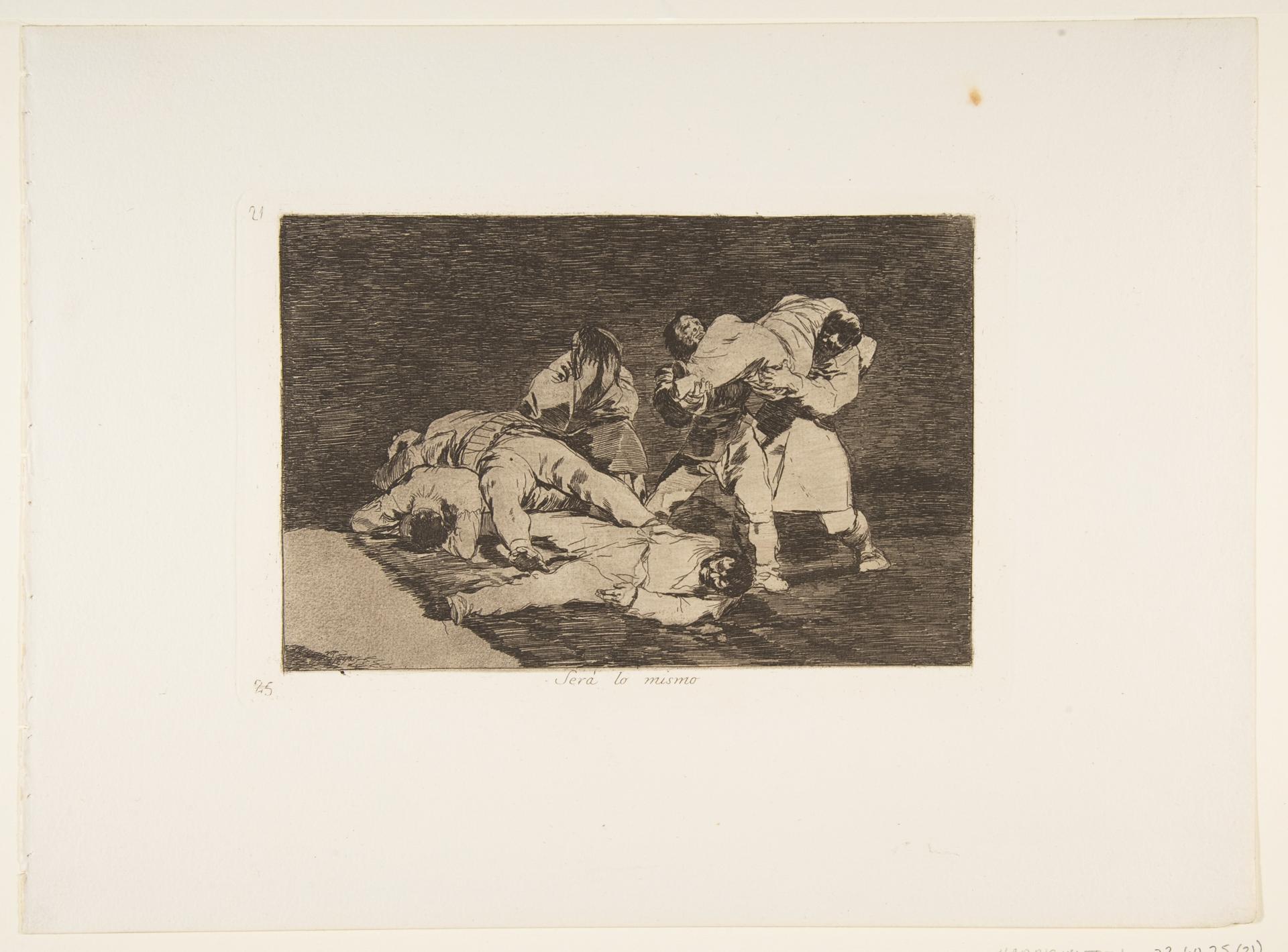
Plate 21 from "The Disasters of War" (Los Desastres de la Guerra): 'It will be the same' (Será lo mismo) (ca. 1810 (published 1863))
Original title: Plate 21 from "The Disasters of War" (Los Desastres de la Guerra): 'It will be the same' (Será lo mismo)
kurzbeschreibung
Plate 21 from Francisco de Goya's series The Disasters of War (Los Desastres de la Guerra), made around 1810 and published in 1863, brings a crowd of people into a dark, tangled setting, with a wounded or lifeless body stretched on the ground in front.
Description
A figure lies sprawled at the front, hurt or dead, surrounded by several people who stand close together in haste or distress. Grief and sorrow mark their faces. Their clothing looks plain yet full of detail, pointing to an earlier age. The background stays dark and undefined, deepening the bleak mood. Everything appears in one tone, under dim light, with the figures grouped in restless movement.
Context
Goya made The Disasters of War during the Napoleonic occupation of Spain (1808–1814). The etchings record the horrors of that conflict but only appeared in 1863, thirty-five years after Goya's death. This twenty-first plate carries the title 'Será lo mismo' (It will be the same), which points to the return of violence and suffering.
Impact
The dark, undefined background and the expressive faces create an oppressive atmosphere. The restless arrangement of the figures conveys haste and despair, gripping the viewer at once on an emotional level.
Technique
Etching with burnished lavis, a kind of tonal plate, allows fine shifts between light and dark. That method permits a graded rendering of light and shadow, which underlines the print's sombre mood.
AI-generated description text
Source: Metropolitan Museum of Art · Public Domain (CC0 1.0)