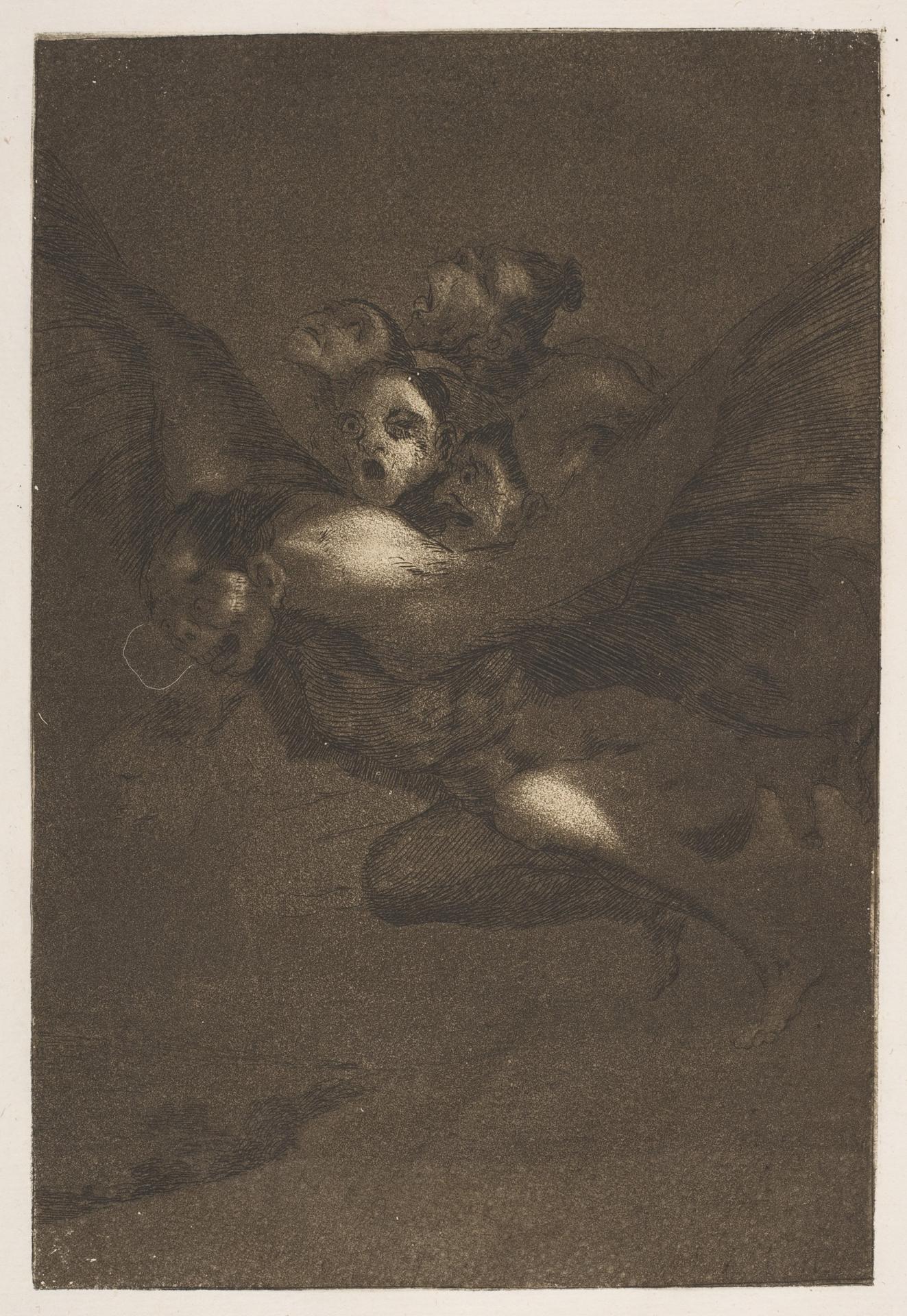
Plate 64 from "Los Caprichos": Bon voyage (Buen Viage)
Original title: Plate 64 from "Los Caprichos": Bon voyage (Buen Viage)
kurzbeschreibung
Francisco de Goya y Lucientes made "Buen Viage" (Happy Journey) in 1799 as plate 64 of his series Los Caprichos, an etching finished with burnished aquatint and burin. A single figure stands in a murky setting, and it is the body's tension and the face's expression that set the tone of the print.
Description
A figure with eyes wide open and features drawn tight fills the frame. One hand reaches back for support while the other clutches something close; the gesture feels urgent, as though caught in flight or despair. Behind it the ground stays dark and undefined, so the body stands out sharply. Grays dominate the sheet and give it a threatening mood, and the lines, detailed and shifting in weight, carry the expressive charge.
Context
This etching belongs to Los Caprichos, Goya's graphic series satirizing social abuses and human folly, and it comes late in the sequence. It takes up the motif of travel, which artists of the period often used as a parable for the course of a life or for flight from reason. Goya worked on the series during years of personal and political upheaval in Spain, between Enlightenment and restoration.
Impact
The dark tonality and forceful rendering produce an oppressive, uncanny atmosphere. Those staring eyes and the tense posture pull the viewer straight into a state of emotional emergency. Brief but insistent, the imagery is a striking instance of Goya's gift for condensing psychological states into visual form.
Technique
Etching was reworked with burnished aquatint and burin, a combination that let Goya build delicate tonal gradations and deep shadows, adding to the somber effect. The plate measures 21.5 x 15.3 cm, the sheet 29.6 x 21 cm, and the execution shows great technical precision in the handling of line.
AI-generated description text
Source: Metropolitan Museum of Art · Public Domain (CC0 1.0)