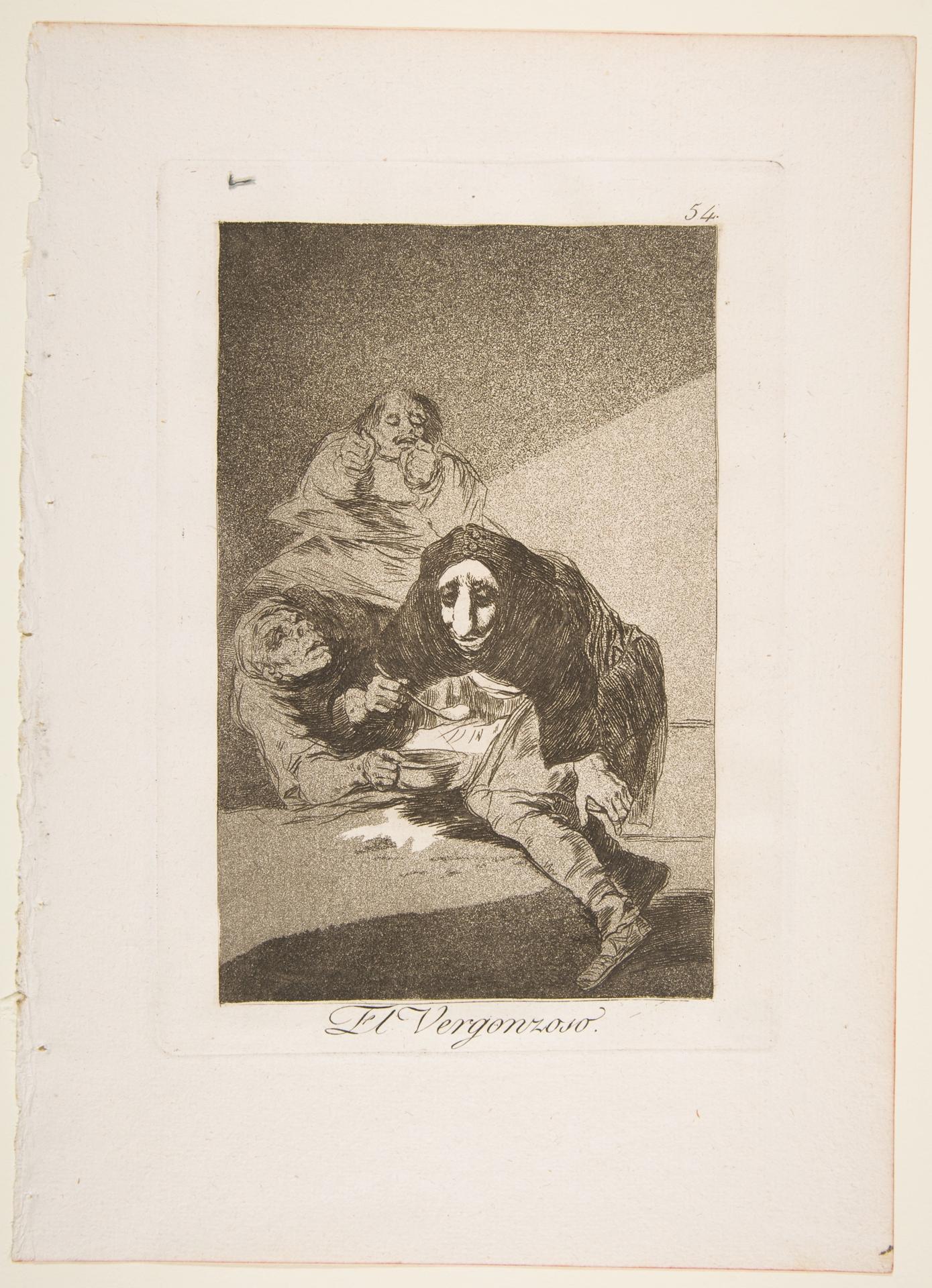
Plate 54 from "Los Caprichos": The shamefaced one (El Vergonzoso)
Original title: Plate 54 from "Los Caprichos": The shamefaced one (El Vergonzoso)
kurzbeschreibung
A kneeling woman holding a weeping child and steadying a second one anchors plate 54 of Goya's "Los Caprichos" (1799), a scene that lays shame and social hardship plainly before the viewer. Another woman behind her deepens the oppressive mood. The etching with aquatint belongs to the series published in 1799, which attacks human folly and the failings of society.
Description
Dressed in dark clothing, a kneeling woman has one crying child on her lap and supports another on the ground. Light falling from above picks out her worried expression and the gestures of the figures. A second woman sits on a chair behind them, her face equally troubled. The bare room and the greys set a sombre, serious tone. Lower right, the title "El Vergonzoso" is written by hand.
Context
Goya made "Los Caprichos" between 1797 and 1799 as a critical satire on Spanish society, above all on superstition, social grievance and human foolishness. Plate 54 belongs to a group of images dealing with upbringing and the consequences of poverty. The etchings were issued as a bound volume in 1799 but withdrawn from sale soon afterwards, presumably because of their critical content.
Impact
Spare means and gloomy lighting pull the eye toward the figures' despair, giving the print a direct, stifling force. The rendering of shame and want moves the viewer and prompts reflection on social injustice.
Technique
Etching combined with aquatint was used for this plate, allowing delicate tonal gradations and a painterly effect. The aquatint produces the grey areas and shadows, while the etching supplies the contours and details of the figures. The paper is of hand-made quality, as was typical for late eighteenth-century prints.
AI-generated description text
Source: Metropolitan Museum of Art · Public Domain (CC0 1.0)