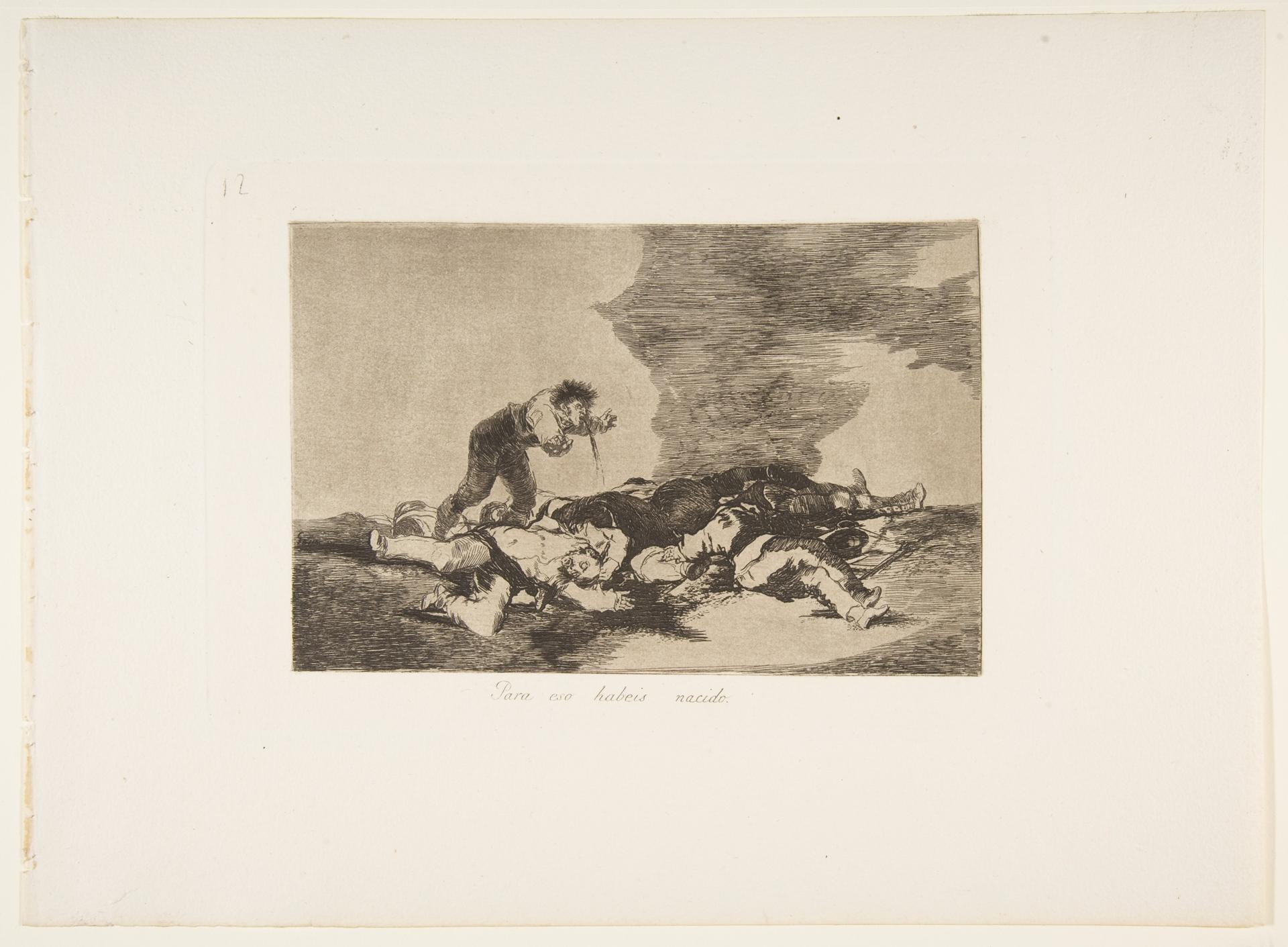
Plate 12 from "The Disasters of War" (Los Desastres de la Guerra): 'This is what you were born for' (Para eso habeis nacido)
Original title: Plate 12 from "The Disasters of War" (Los Desastres de la Guerra): 'This is what you were born for' (Para eso habeis nacido)
kurzbeschreibung
Created around 1810 but not published until 1863, plate 12, titled 'For this you were born', belongs to Francisco de Goya's etching series 'The Disasters of War' (Los Desastres de la Guerra). A group of people lies on the ground while a man bends over them with a raised sword. The print combines etching, lavis, drypoint, and burin in black and white.
Description
Several bodies are piled on top of one another, and a man with a drawn sword stands bent over them. The layout feels disordered and charged with drama; the background remains dark and impenetrable. Etching, lavis, drypoint, and burin shape the figures, with black and white dominating. The postures of the bodies and the threatening gesture of the man create intense tension.
Context
Between 1810 and 1820, Goya responded with this etching series to the Napoleonic Wars in Spain and the civil conflict that followed. The plates were only published in 1863, long after the artist's death, by the Real Academia de Bellas Artes de San Fernando in Madrid. The series ranks among the earliest major artistic indictments of the atrocities of war.
Impact
The gloomy, high-contrast design evokes an oppressive and violent mood. The arrangement gives the viewer no escape and confronts them with the brutality and senselessness of war.
Technique
The plate was printed on paper using a combination of etching, lavis, drypoint, and burin. The lavis provides subtle tonal gradations, while drypoint and burin produce precise lines and details.
AI-generated description text
Source: Metropolitan Museum of Art · Public Domain (CC0 1.0)