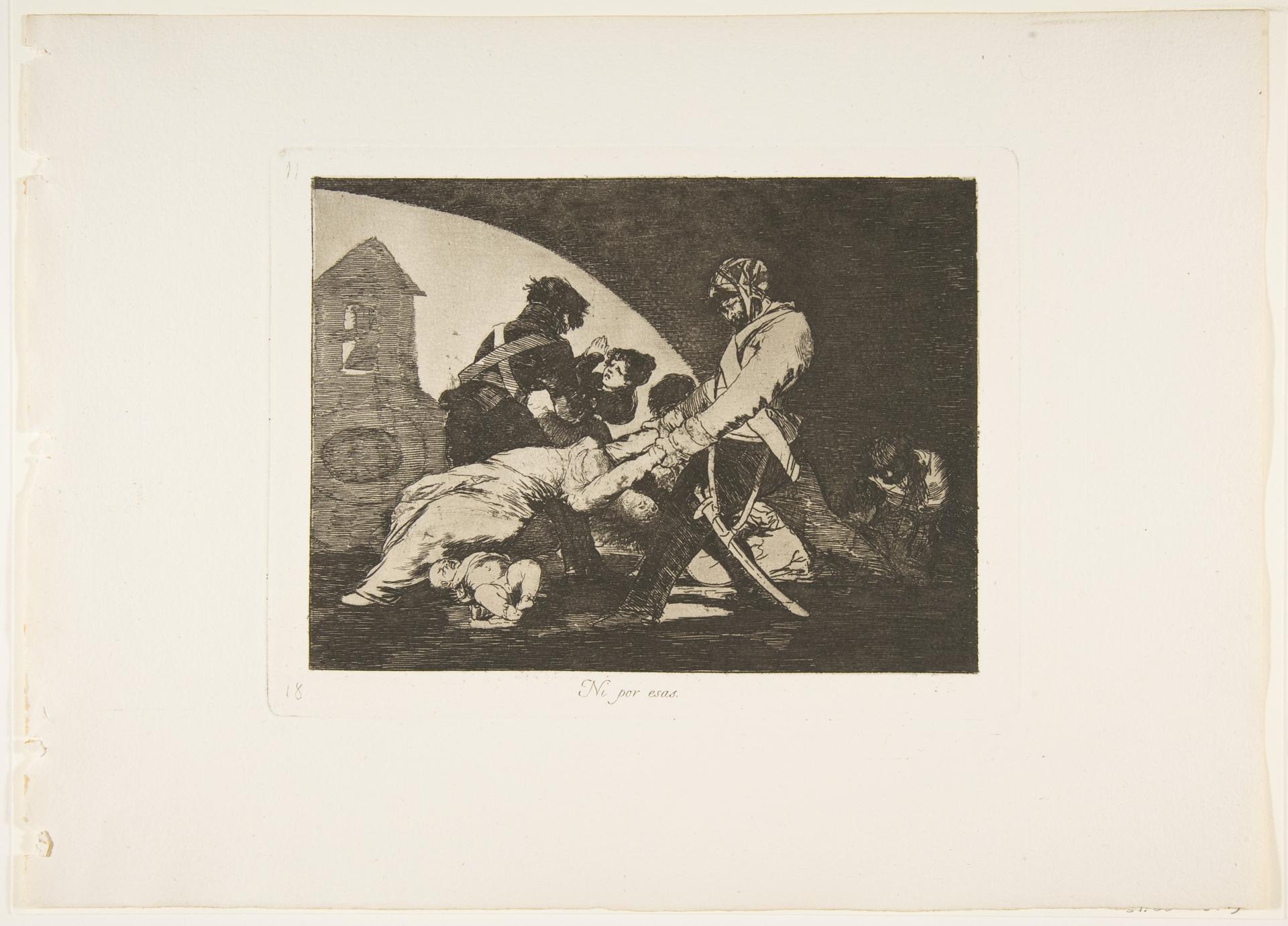
Plate 11 from "The Disasters of War" (Los Desastres de la Guerra): Not even in that way (Ni por esas)
Original title: Plate 11 from "The Disasters of War" (Los Desastres de la Guerra): Not even in that way (Ni por esas)
kurzbeschreibung
Created around 1810 but not published until 1863, this print is plate 11 from Goya's 'Disasters of War'. It presents a group of people in a dramatic event. The image is rendered as an etching with lavis, drypoint and burin. It belongs to the war scenes Goya made during the Spanish War of Independence.
Description
In the foreground, several figures lie on the ground while others stand and move around them. Some wear military clothing, suggesting a battle. A tower rises, part of a damaged or destroyed structure. Shadows and harsh contrasts plunge the image into gloom. The figures are in motion, which underscores the urgency and intensity of the event.
Context
Between 1810 and 1820, Goya produced the etching series 'Disasters of War' in response to the horrors of the Spanish War of Independence against Napoleon. The series remained unpublished during the artist's lifetime; the first edition appeared in Madrid in 1863. Plate 11 is titled 'Ni por esas' and belongs to the first group of the series, which focuses on war scenes. At the time, Goya was court painter and experienced the occupation of Spain firsthand.
Impact
The dark mood and agitated figures create an oppressive atmosphere. The layout feels immediate and dramatic, without heroic exaltation. The viewer is confronted with the brutality of war.
Technique
Etching with lavis, drypoint and burin on paper. This technique allows subtle gradations of grey and a high level of detail. The plate measures 16.1 × 21.1 cm, the sheet 25 × 34.6 cm.
AI-generated description text
Source: Metropolitan Museum of Art · Public Domain (CC0 1.0)