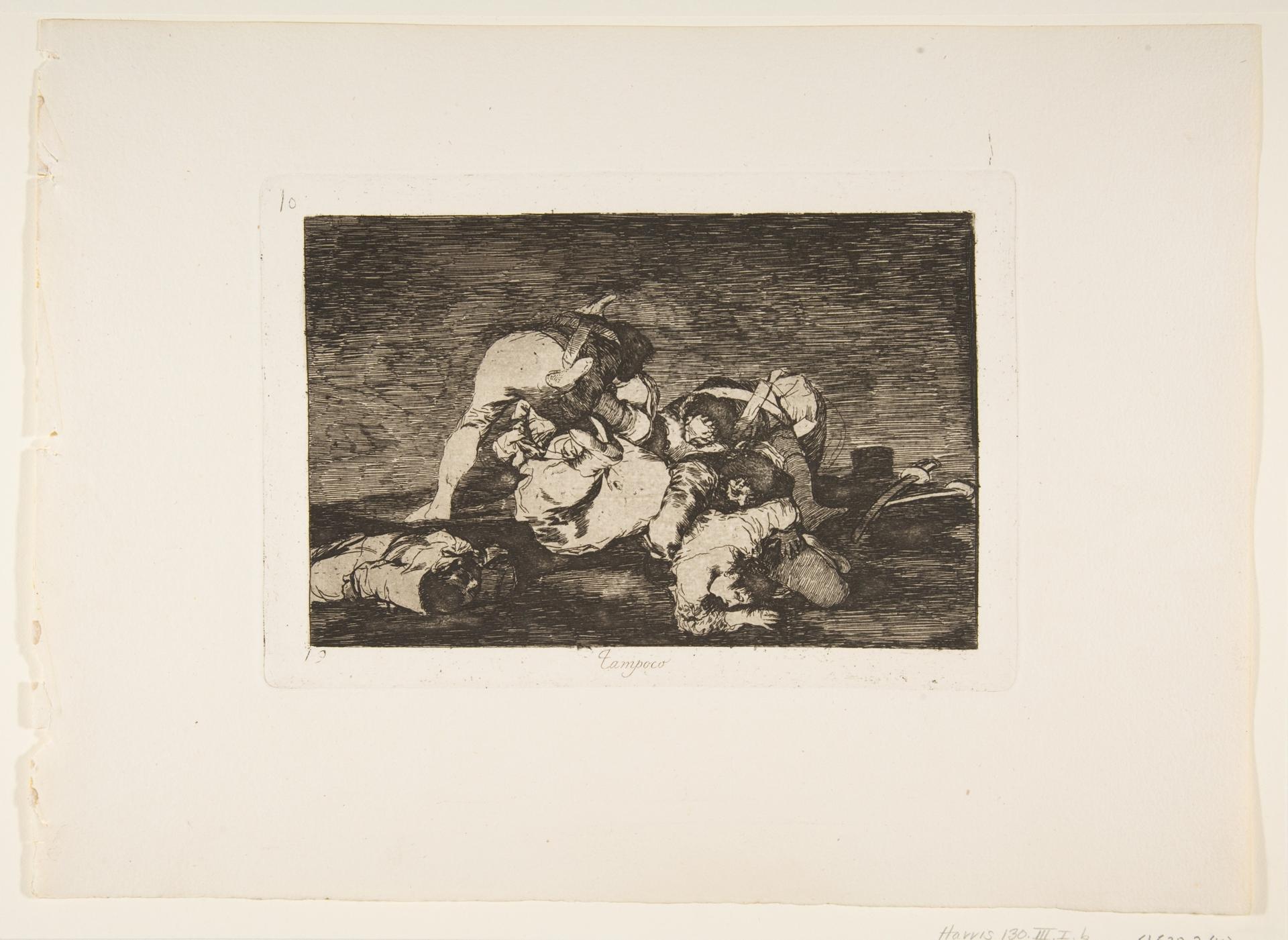
Plate 10 from 'The Disasters of War' (Los Desastres de la Guerra): Nor [do these] either (Tampoco)
Original title: Plate10 from "The Disasters of War" (Los Desastres de la Guerra): Nor [do these] either (Tampoco)
kurzbeschreibung
Unlike many plates in Francisco Goya's series The Disasters of War (Los Desastres de la Guerra), which depict battles or executions, this etching with burin, titled "Auch diese" (Tampoco), focuses on the suffering of individuals in a vague, gloomy setting. Created in 1810 but not published until 1863, it belongs to the later part of the series, where Goya turns away from specific events toward broader, allegorical expressions of human pain. Wounded and dying figures lie on the ground, while one person kneels over a fallen body, silently documenting the horrors of the Spanish War of Independence.
Description
A group of people is gathered in a chaotic, dark scene. Several figures are sprawled on the ground, some clearly injured or near death. One person bends over a figure lying on the ground, an action that could suggest either rescue or sacrifice. The clothing is simple but drawn with many details; the background remains vague and dark. The etching is in black and white, with even lighting that avoids harsh contrasts or strong shadows.
Context
Goya made the series between 1810 and 1820 in response to the Napoleonic occupation of Spain and the civil strife that followed. The prints were not published during the artist's lifetime; the Academia de San Fernando in Madrid issued them only in 1863. "Tampoco" belongs to the later works in the sequence, where the representation of concrete combat increasingly gives way to allegorical and universal forms of suffering. At the time, Goya was court painter and deeply shaken by the horrors of war.
Impact
The tight grouping of figures and the dark, undefined surroundings create an oppressive, pitiable mood. Helplessness and death are presented directly and insistently, without pathetic exaggeration. The even use of light and shadow underscores the sobriety and documentary harshness of the image.
Technique
For this print, Goya used etching and then worked the plate with a burin to refine fine lines and details. The result is a dense network of lines that gives the figures physical presence. It was printed on paper; the plate measures 14.8 × 22.6 cm, the sheet 25.1 × 34.5 cm.
AI-generated description text
Source: Metropolitan Museum of Art · Public Domain (CC0 1.0)