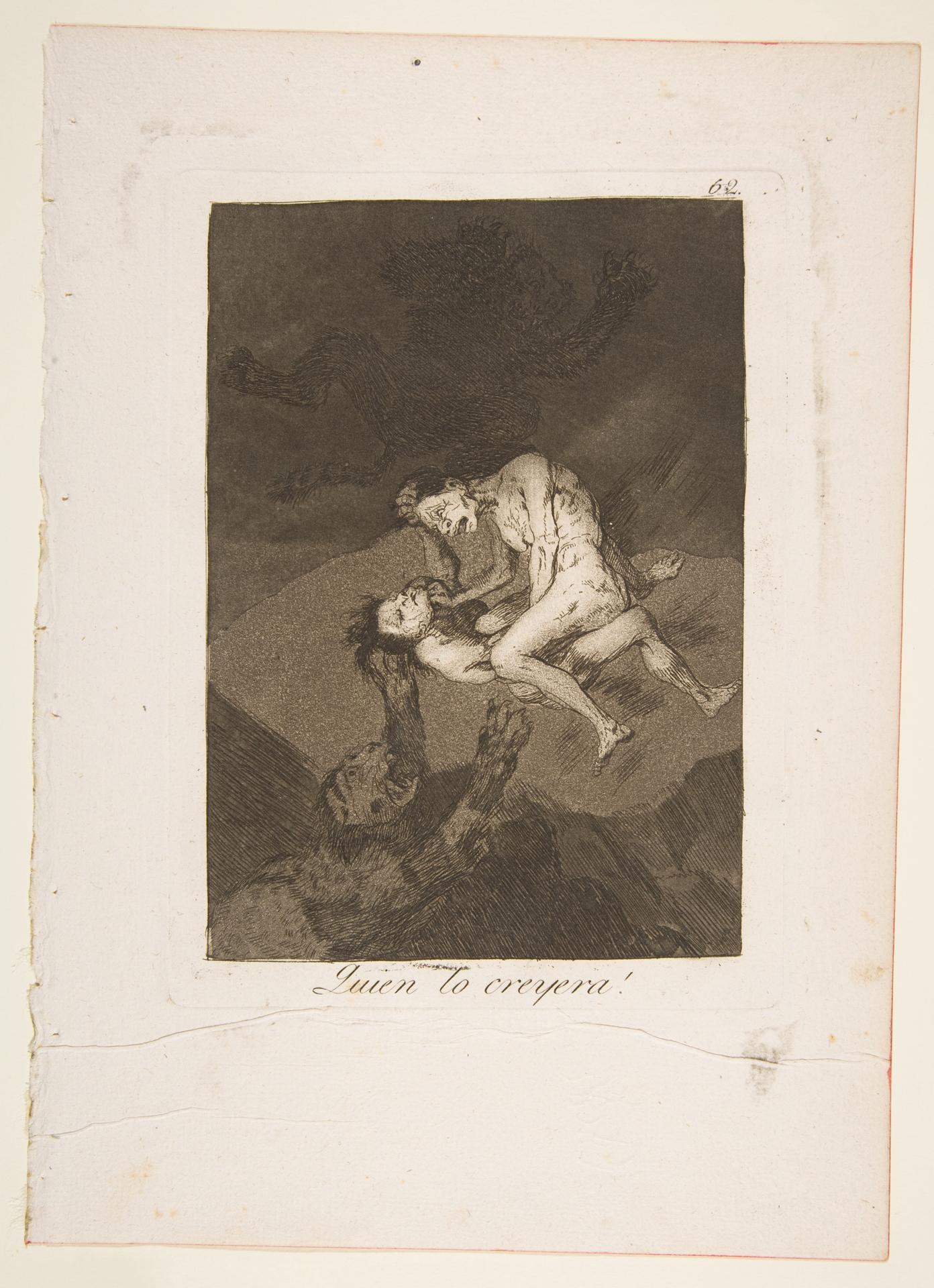
Plate 62 from "Los Caprichos": Who would have thought it? (Quien lo creyera!)
Original title: Plate 62 from "Los Caprichos": Who would have thought it? (Quien lo creyera!)
kurzbeschreibung
Plate 62 from Los Caprichos, titled Quien lo creyera!, comes from Francisco de Goya and is dated 1799. Unlike many other prints in the series, which focus on individual vices or follies, this one centers on a violent duel: one person lies on the ground, another stands threateningly over them. The etching with aquatint and burin belongs to the group of images that satirically attack social and political abuses.
Description
Two figures fill the image, which is almost entirely without color. At the bottom, a figure lies with arms outstretched, while the other bends over and reaches for them. Cloudy, indistinct forms in the background condense into a menacing setting. Light falling from above emphasizes the outlines of the bodies, while hatching and lines structure the surfaces. The harsh contrast of light and dark drives the tension forward.
Context
Between 1797 and 1799, Goya created his 80 etchings for the series Los Caprichos, which appeared in 1799 as a bound album. The plates lash out at superstition, church power, and social injustice of their time. Plate 62 is among the scenes that address violence and oppression. With aquatint, Goya achieved soft tonal transitions that support the dark underlying mood of the series.
Impact
The gloomy lighting and expressive postures of the figures create an immediate sense of threat. Without further explanatory details, the viewer is drawn into an event of fear and violence. The restriction to a few light-dark contrasts heightens the emotional impact of the motif.
Technique
The plate was printed as an etching with burnished aquatint and burin on paper. Aquatint provides fine tonal gradations, while etched lines and burin work bring out contours and details. The plate measures 21.5 × 15.1 cm, the sheet format 29.4 × 21.1 cm.
AI-generated description text
Source: Metropolitan Museum of Art · Public Domain (CC0 1.0)