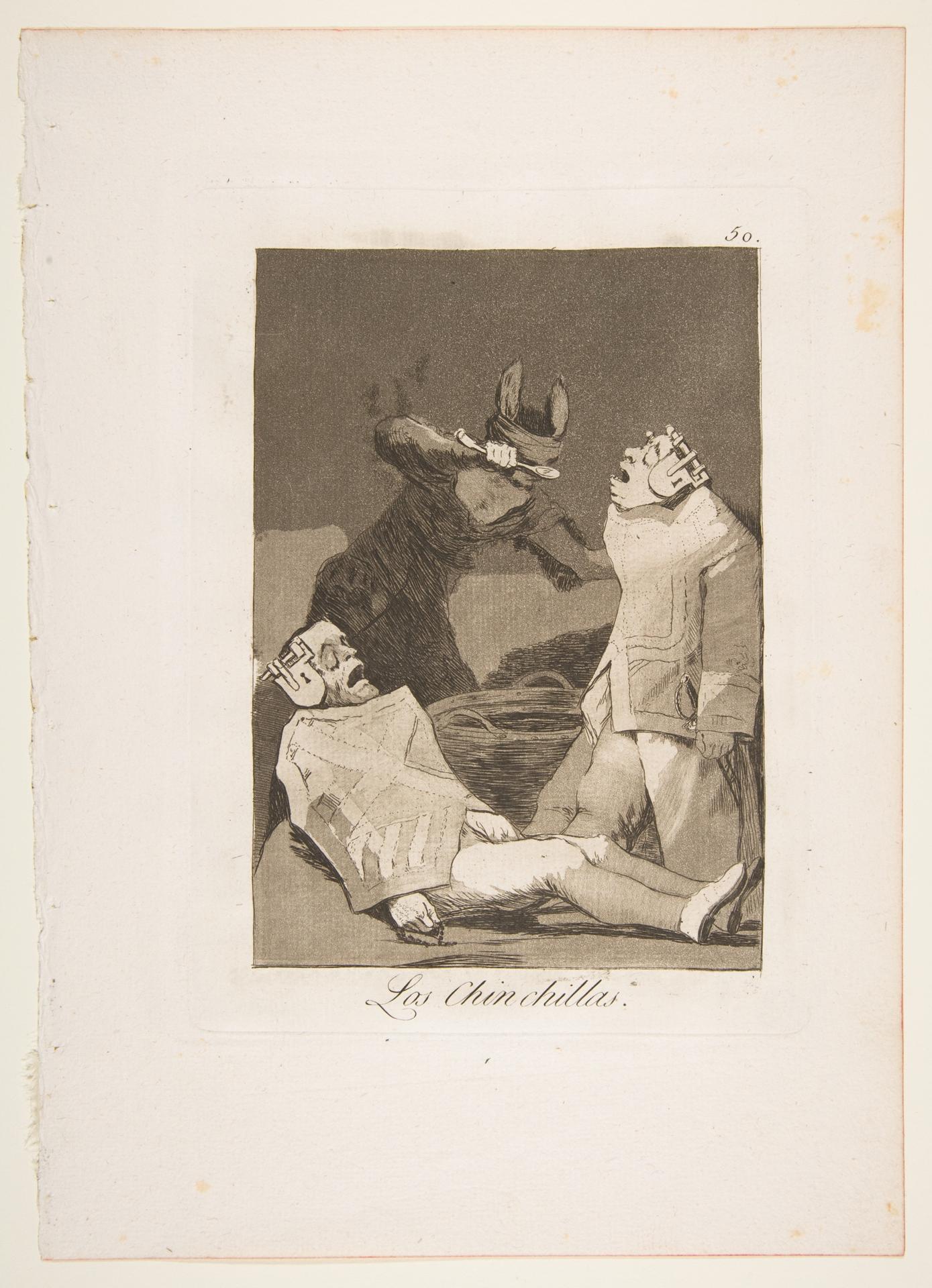
Plate 50 from "Los Caprichos": The Chinchillas (Los Chinchillas)
Original title: Plate 50 from "Los Caprichos": The Chinchillas (Los Chinchillas)
kurzbeschreibung
This print, 'The Chinchillas' (originally 'Los Chinchillas'), belongs to Francisco de Goya y Lucientes's series 'Los Caprichos' and was made in 1799. Three figures appear in a tense, conflict-ridden situation. The work is an etching with burnished aquatint and burin, in which Goya expresses his critical stance toward the social ills of his era.
Description
Three figures dominate the image: an animal-like creature in a robe, carrying a tool, stands over a person lying on the ground; a third clothed figure positions itself between the two and also holds a tool. The arrangement feels like a confrontation or a struggle. The background remains dark and undefined, heightening the dramatic mood. The gradations of gray and precise lines are typical of Goya's etching style.
Context
'Los Caprichos' appeared in 1799 and ranks among the central works of the Spanish Enlightenment. In it, Goya took up social evils such as superstition, corruption, and human folly. The figure of the 'Chinchillas' is often understood as a satirical allusion to the aristocracy or the Inquisition, which Goya sharply criticized.
Impact
The dark, undefined background and the menacing figures create an oppressive, almost surreal atmosphere. The viewer is drawn into a conflict that gains intensity through the fine etching technique. Goya's print reads as a visual commentary that prompts reflection on power and oppression.
Technique
The work is executed as an etching with burnished aquatint and burin. The aquatint provides soft gray tones, while the burin adds fine lines and details. The interplay of both techniques allows a subtle gradation of light and shadow, which underscores the dramatic effect of the scene.
AI-generated description text
Source: Metropolitan Museum of Art · Public Domain (CC0 1.0)