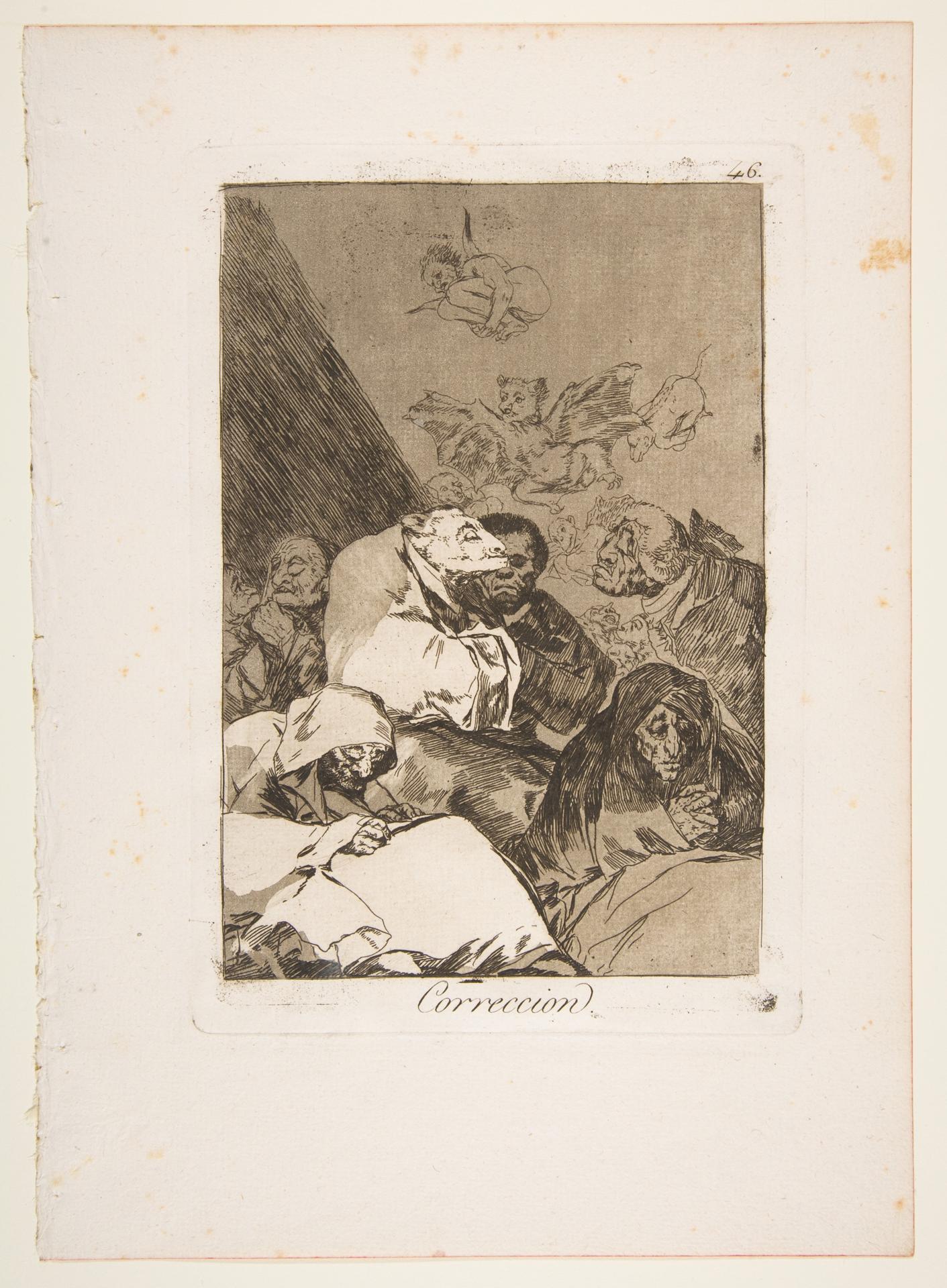
Plate 46 from "Los Caprichos": Correction (Correccion)
Original title: Plate 46 from "Los Caprichos": Correction (Correccion)
kurzbeschreibung
From Francisco de Goya's 1799 etching series 'Los Caprichos' comes the print 'Korrektur' (Correccion). It was made as an etching with burnished aquatint. The image presents a chaotic jumble of several figures, including a person lying on the ground, surrounded by other figures and flying beings in the upper area.
Description
A dynamic layout reveals a group of people in a gloomy, disordered scene. In the foreground, a figure lies on the ground, while other characters with expressive gestures and intense emotions cluster around. At the top, several small flying creatures hover, which can be interpreted as angels or spirits. The light is subdued and falls on the central figure, drawing the eye to the action. Gray and black tones dominate the palette, underscoring the serious mood.
Context
In 1799, the etching appeared as part of 'Los Caprichos,' a series with which Goya denounced social ills and human follies. It was created in an era of political and social upheaval in Spain, shaped by the Enlightenment and the Inquisition. Originally, the suite was planned for 80 etchings targeting superstition, ignorance, and ecclesiastical abuses.
Impact
The somber coloring and restless arrangement create an oppressive atmosphere. The viewer is drawn directly into the chaotic activity, which suggests moral or social criticism. The combination of realistic figures and fantastical beings heightens the unsettling effect of the print.
Technique
The etching with burnished aquatint allows for fine lines and soft tonal gradations. Partial burnishing of the aquatint produces targeted light-dark contrasts. Precise etched lines and flat tone give the print depth and drama.
AI-generated description text
Source: Metropolitan Museum of Art · Public Domain (CC0 1.0)