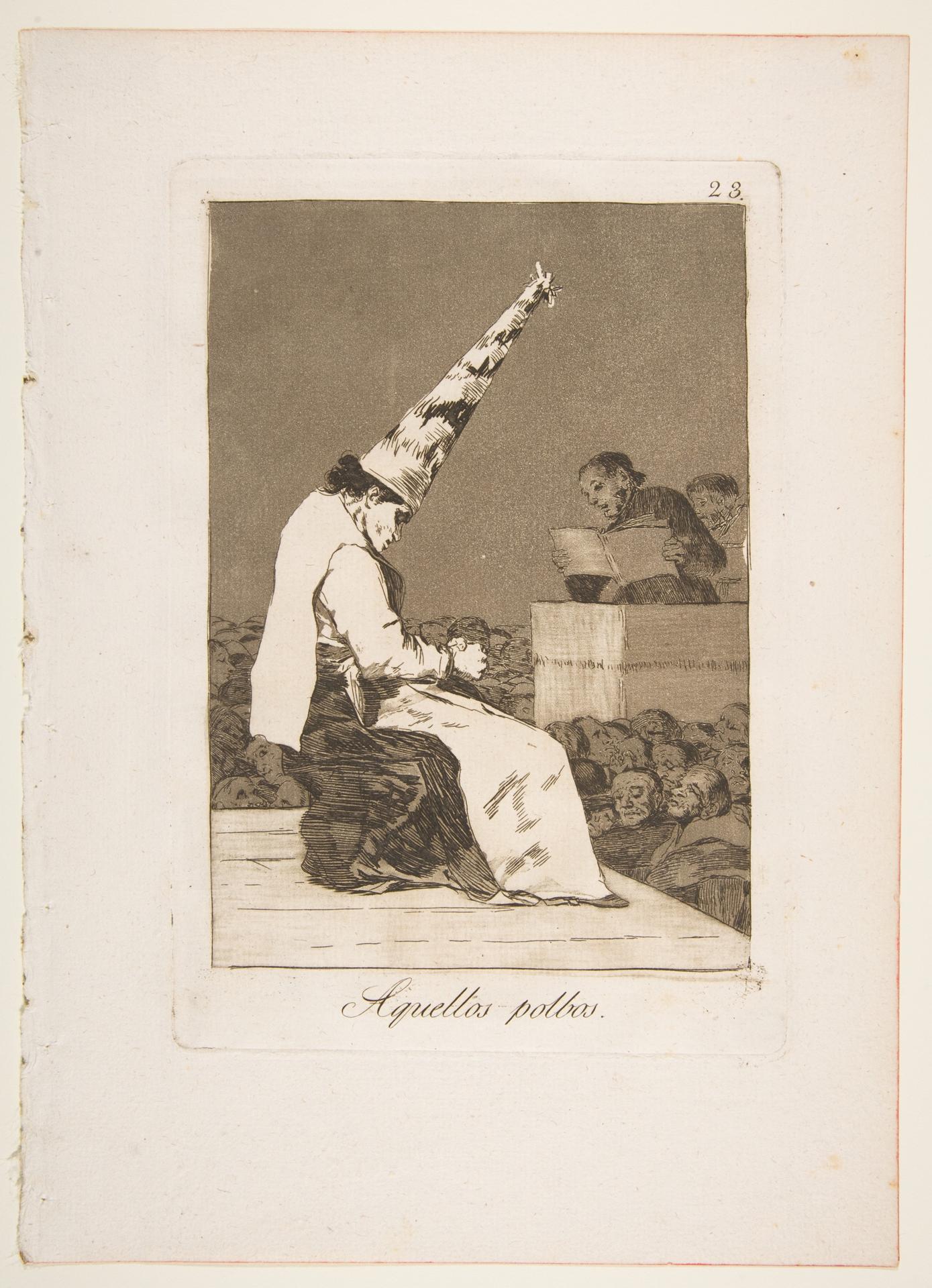
Plate 23 from "Los Caprichos": These specks of dust (Aquellos polbos)
Original title: Plate 23 from "Los Caprichos": These specks of dust (Aquellos polbos)
kurzbeschreibung
A woman in a bird-like hat stands on a platform, surrounded by listeners, while skulls lie on the ground. The subject comes from plate 23 of Francisco de Goya's series Los Caprichos (1799). Executed as an etching with aquatint, drypoint, and burin, the plate measures 21.5 × 14.8 cm. Goya's satirical social criticism is particularly evident here.
Description
A pointed hat shaped like a bird or animal head sits atop the woman in the center; she wears a long, dark dress. Her arms are raised as if she is proclaiming or presenting something. Behind her, several people have settled, holding a document or letter and listening attentively. The ground, however, is strewn with skulls, creating a dark, symbolic atmosphere. Strong contrasts of light and dark shape the composition and heighten the dramatic mood.
Context
Between 1797 and 1799, Goya created Los Caprichos — a series of 80 etchings that denounced superstition, stupidity, and social ills in Spain at the time. Plate 23 belongs to a group dealing with the spread of nonsense and false prophecies. Shortly after its publication in 1799, the series was halted at the urging of the Inquisition because the satirical allusions were considered too inflammatory. The cycle falls in an era of political upheaval, marked by Enlightenment and reactionary forces.
Impact
The grotesque figure, skulls, and gloomy lighting combine to create an oppressive, eerie mood. The satirical exaggeration of the protagonist and the symbolic imagery invite interpretation. Thus the plate becomes a poignant testament to Goya's social criticism.
Technique
The plate was made using a combination of etching, burnished aquatint, drypoint, and burin. These techniques allowed for fine lines, soft tonal gradations, and strong areas of shadow that support the dramatic lighting. The aquatint produces the deep, velvety blacks that are crucial to the somber effect.
AI-generated description text
Source: Metropolitan Museum of Art · Public Domain (CC0 1.0)