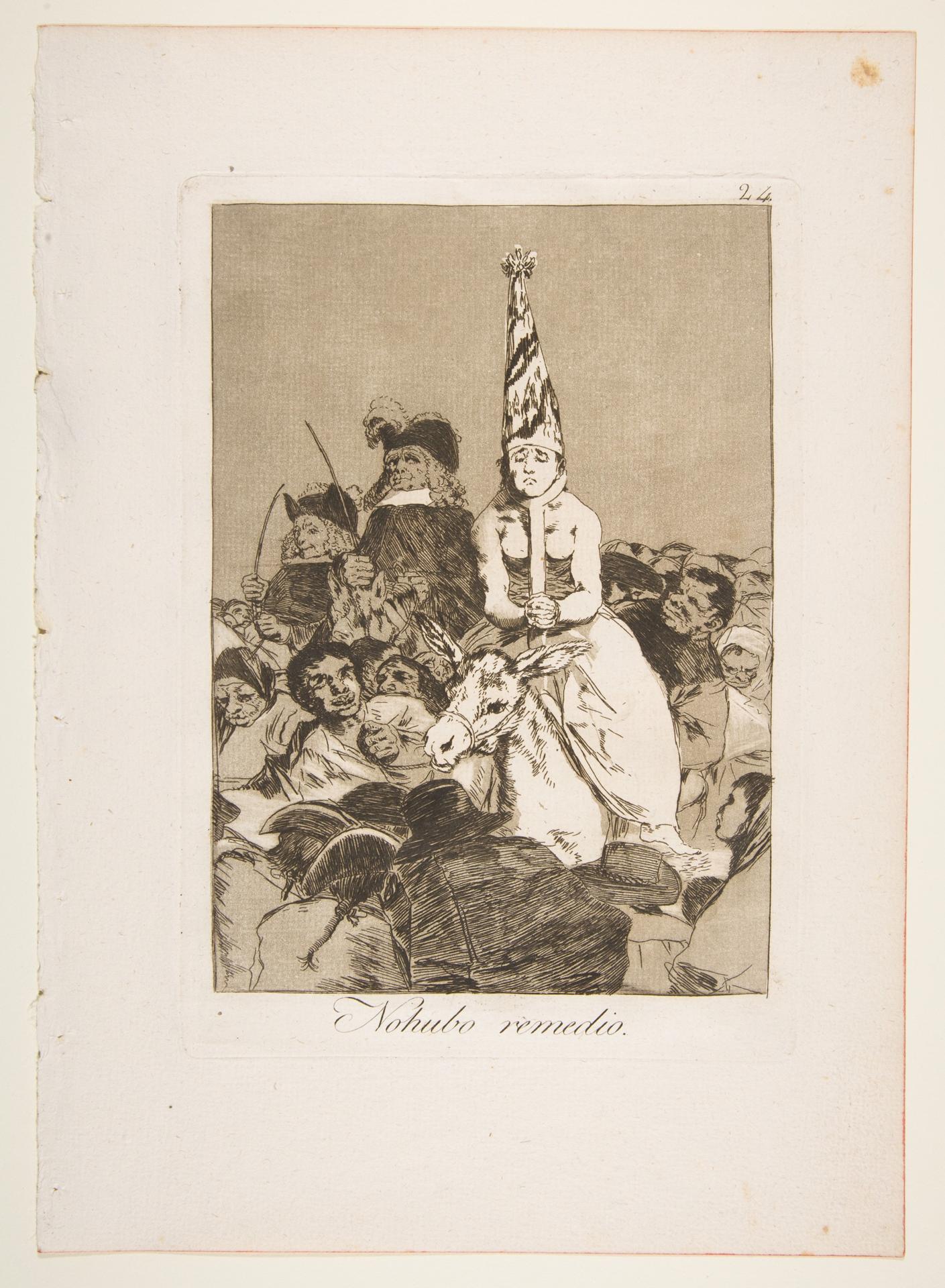
Plate 24 from "Los Caprichos": Nothing could be done about It (Nohubo remedio)
Original title: Plate 24 from "Los Caprichos": Nothing could be done about It (Nohubo remedio)
kurzbeschreibung
A tightly packed crowd surrounds a figure on horseback who appears bound or crucified — plate 24 from Goya's etching cycle Los Caprichos, published in 1799. The print is an etching with burnished aquatint, a technique that allows fine tonal gradations. The Spanish title Nohubo remedio ("There was no remedy") underscores the hopelessness of the human situation that the motif addresses.
Description
In the foreground, a hooded figure in a light robe with a cross on the headdress holds a horse by the bridle. Around them stand several people wearing hats and caps, their gazes directed in different ways and conveying various emotions. The arrangement feels restless and cramped, like a frozen moment of a public gathering. Further back, the figures lose sharpness, creating a sense of spatial depth. A dark, oppressive mood prevails, intensified by the dark aquatint areas.
Context
Between 1797 and 1799 Goya created the 80 etchings of Los Caprichos, which denounce social ills and superstition. Plate 24 belongs to a group dealing with violence and oppression; the Inquisition or the Napoleonic Wars may have served as inspiration. In 1799 the series was published as an album but was withdrawn shortly afterwards because of its sharp criticism. Goya used printmaking to spread his critical stance without directly challenging censorship.
Impact
An oppressive atmosphere emanates from the scene and speaks directly to the viewer. Because suggestion and realistic representation mix, room for interpretation remains, yet the tight arrangement makes the image compelling. Goya's ability to convey emotions through posture and gaze makes this plate a captivating example of his graphic work.
Technique
Etching with burnished aquatint — a process that permits fine tonal gradations. The aquatint creates soft, grainy areas used for the dark shadow passages. The plate was presumably etched several times and polished in places to achieve the desired contrasts.
AI-generated description text
Source: Metropolitan Museum of Art · Public Domain (CC0 1.0)