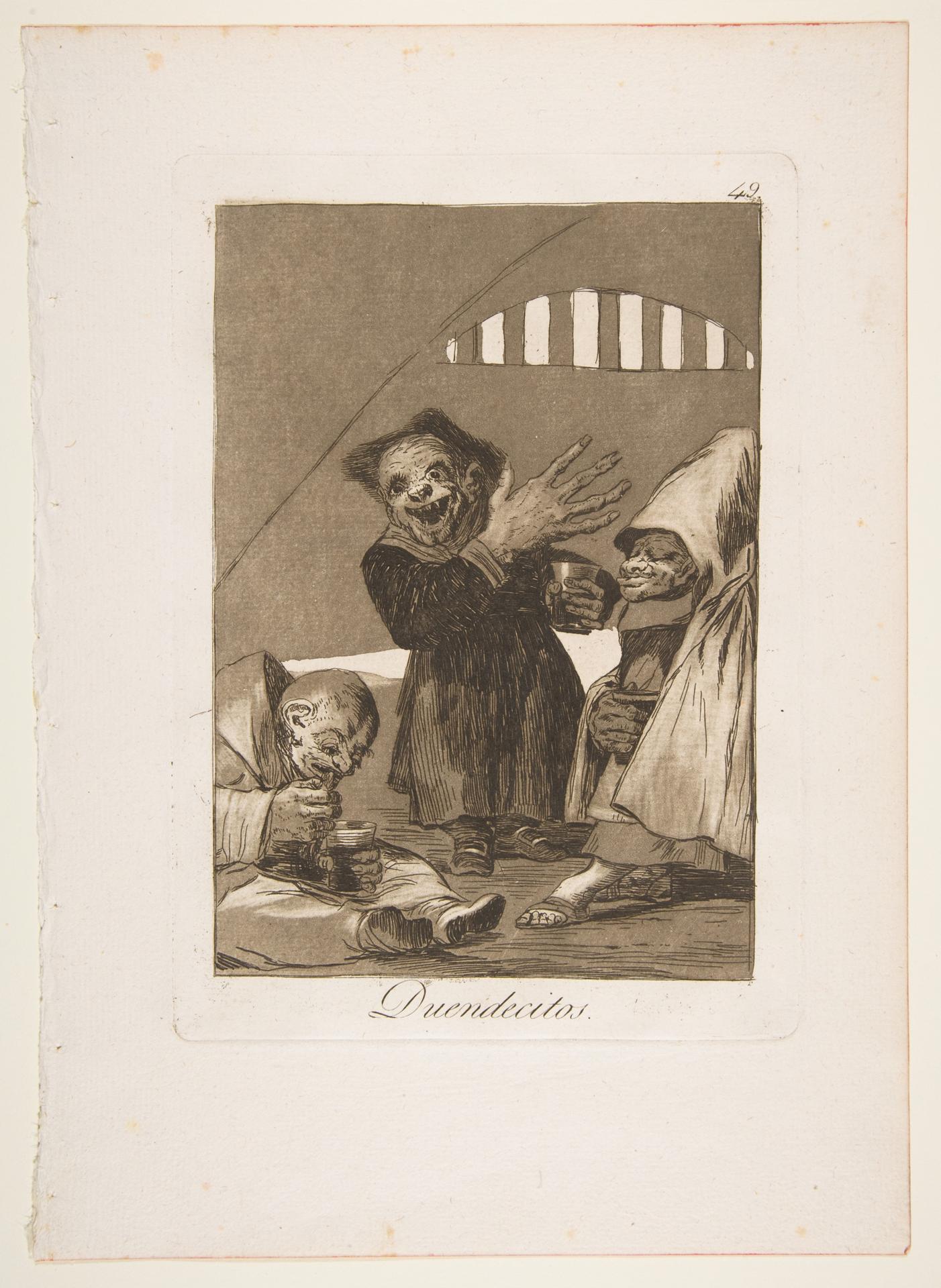
Plate 49 from "Los Caprichos": Hobgoblins (Duendecitos)
Original title: Plate 49 from "Los Caprichos": Hobgoblins (Duendecitos)
kurzbeschreibung
Three figures disguised as goblins, or duendecitos, populate plate 49 of Goya's Caprichos, an etching series published in 1799. This burnished aquatint etching measures 21.2 × 15.2 cm and belongs to a set of 80 plates that take aim at social ills and superstition.
Description
A stark interior holds three figures. In the foreground one crouches on the ground, glass in hand, while two standing figures converse. The rear one raises a hand as if emphasizing a point. Dark, plain garments make the faces and heads stand out. In the background, doors or windows with striped patterns suggest the space. Gray tones dominate the surface, with even light and no strong shadows or highlights.
Context
Between 1797 and 1799 Goya worked on the Caprichos in Madrid, where he served as court painter. In 1799 the series of 80 etchings appeared as a collection; it lashes out at superstition, social evils, and human foolishness. The duendecitos, popular household spirits, often stand in the series for the common people's susceptibility to the irrational. Shortly after publication the edition was withdrawn for fear of the Inquisition.
Impact
The caricatured features and unusual clothing of the figures create a tone that wavers between humor and irony. Even light and the barren setting push the goblins' gestures and dialogue to the fore. Fine lines and hatching give the image a precise, graphic feel.
Technique
The plate was made as an etching with burnished aquatint. The fine lines and hatching came from direct work on the etched plate; aquatint creates tonal areas and gray values. It was printed on paper at a plate size of 21.2 × 15.2 cm, and the even gray tones are characteristic of this technique.
AI-generated description text
Source: Metropolitan Museum of Art · Public Domain (CC0 1.0)