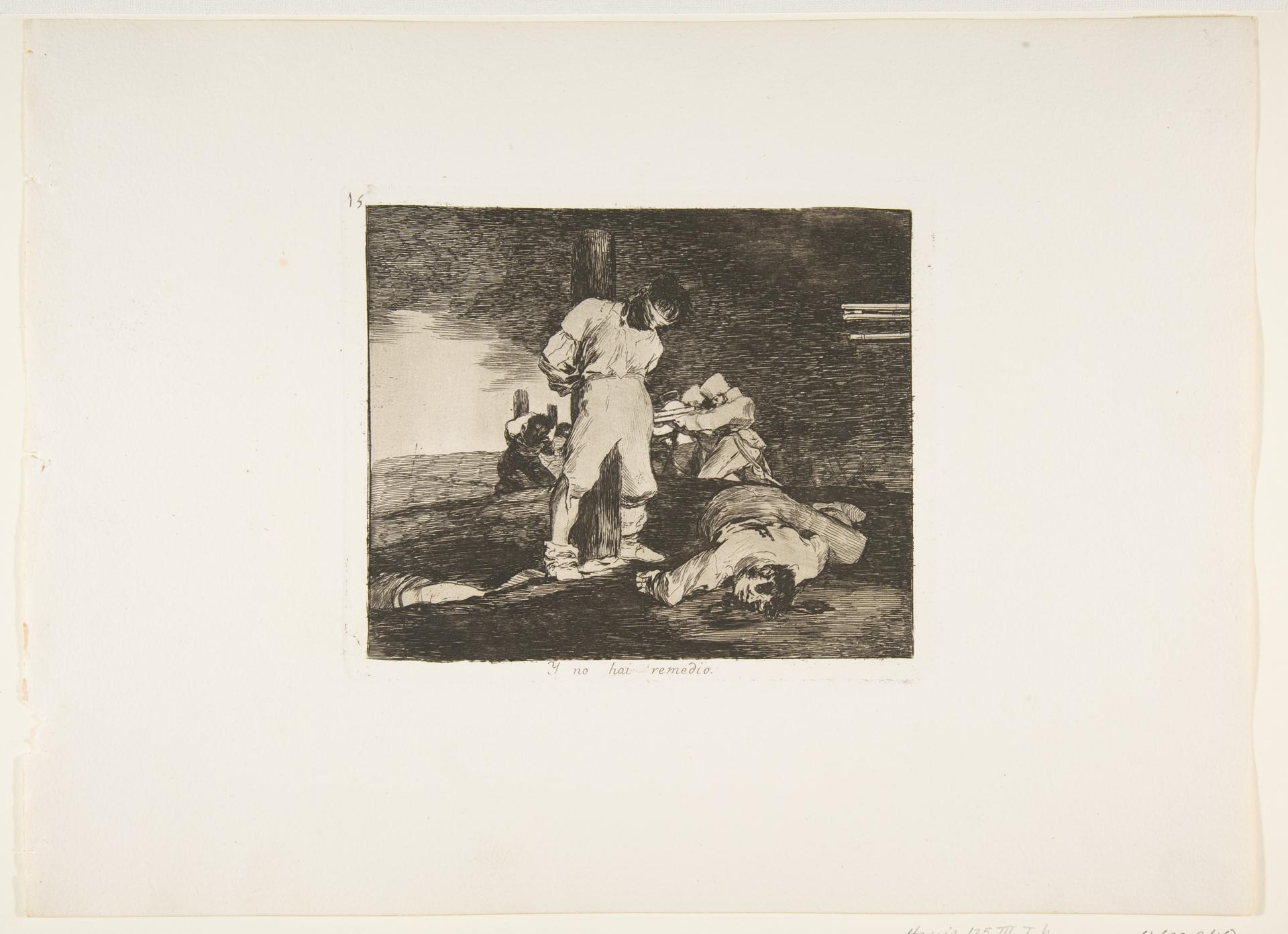
Plate 15 from "The Disasters of War" (Los Desastres de la Guerra): And there is nothing to be done (Y no hai remedio)
Original title: Plate 15 from "The Disasters of War" (Los Desastres de la Guerra): And there is nothing to be done (Y no hai remedio)
kurzbeschreibung
A wounded man lies on the ground, surrounded by several figures, in plate 15 of Francisco de Goya's etching series 'The Disasters of War'. Created in 1810 during the Spanish War of Independence, the etching with drypoint, burin, and burnisher was not published until 1863, after the artist's death.
Description
In a gloomy, nocturnal setting, a man kneels and bends over another who lies injured on the ground; he holds a blister or a leaf. Other figures stand or kneel around them, giving the layout a chaotic, desperate feel. A dark sky and part of a building can be made out in the background. The black-and-white etching uses subdued light to underscore the somber mood.
Context
Between 1810 and 1820, Goya created the series 'Los Desastres de la Guerra' as a response to the horrors of the Spanish War of Independence against Napoleon. The plates remained unpublished during the artist's lifetime; only in 1863 did the Royal Academy of San Fernando in Madrid issue them. Plate 15 is one of those scenes that address the immediate aftermath of violence and the helplessness of the civilian population.
Impact
The dark lighting and the chaotic group of figures evoke an atmosphere of hopelessness. Through the crowded arrangement and the desperate gesture of the kneeling man, the viewer feels directly and emotionally affected.
Technique
Goya combined etching, drypoint, burin, and burnisher to achieve fine lines and deep shadows. This method allows precise rendering of textures and a dramatic interplay of light and dark, from which the plate's expressive intensity arises.
AI-generated description text
Source: Metropolitan Museum of Art · Public Domain (CC0 1.0)