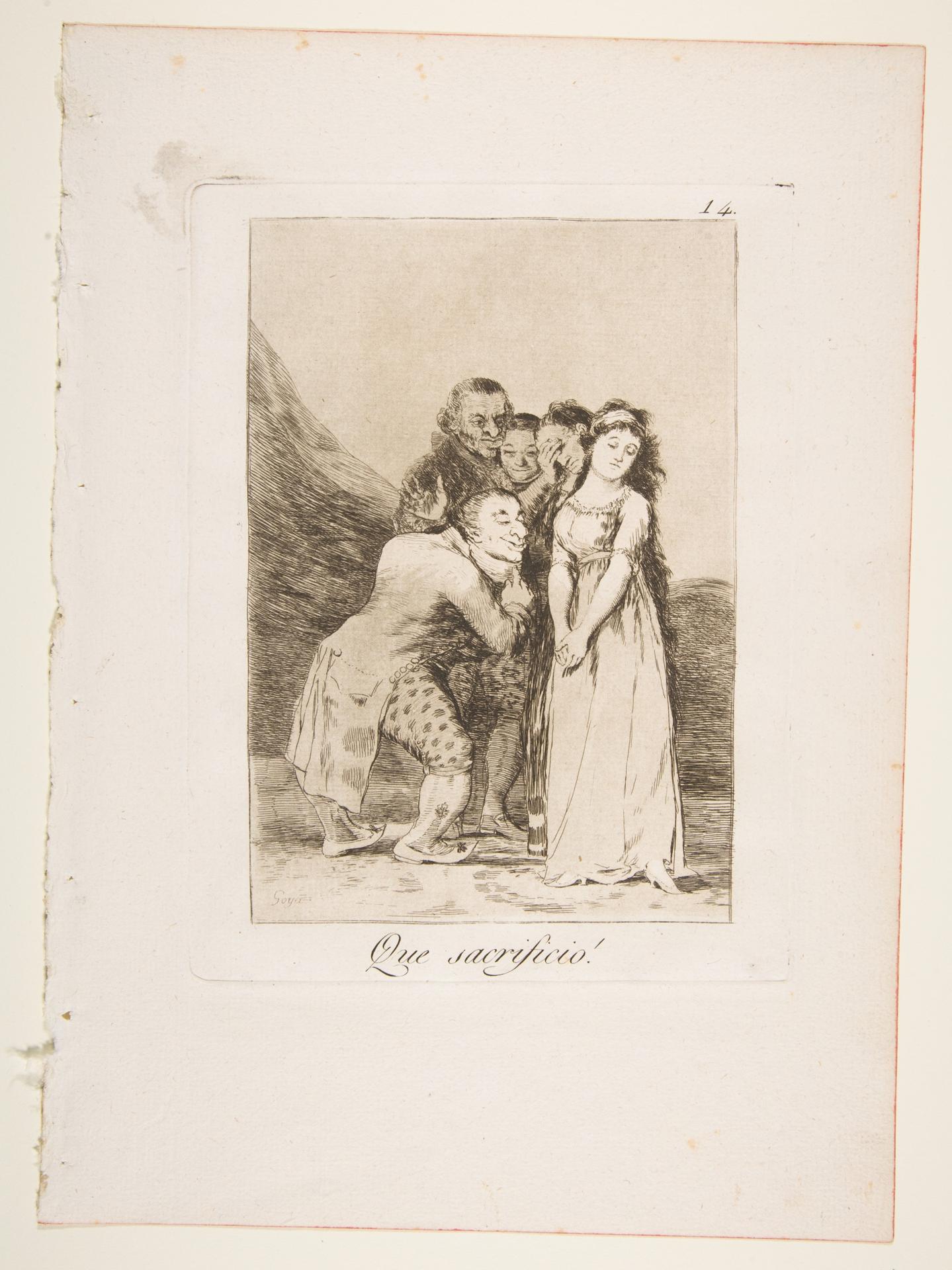
Plate 14 from "Los Caprichos": What a sacrifice! (Que sacrificio!)
Original title: Plate 14 from "Los Caprichos": What a sacrifice! (Que sacrificio!)
kurzbeschreibung
Where many sheets from Goya's Los Caprichos of 1799 feel almost offhand, this one compresses an everyday scene into a suffocating contest of forces. Five figures are caught in a conflict the artist fixes with etching, aquatint and drypoint. Violence and submission are not explained here but laid out in all their contradiction.
Description
At the front a man seizes a woman by the arm and presses her against a kneeling figure. She wears a long, plain dress and lifts her gaze upward; the second man beside her flails his arms. Behind them another man and a child stand watching. The background stays dark and undefined, which heightens the sense of threat. Beneath the image runs the line "Que sacrificio!"
Context
This plate belongs to the 80 etchings of Los Caprichos, published by Goya in 1799, which take satirical aim at social ills and human folly. It came about during a period of profound social change in Spain, between the Enlightenment and the Inquisition. Because of its sharp criticism of the nobility, the clergy and superstition, the series was withdrawn from sale shortly after it appeared.
Impact
The arrangement pulls the viewer straight into the violent act. Dark tones and distorted faces produce an oppressive, nightmarish mood. The caption ironizes what is happening and prompts reflection on power and the role of the victim.
Technique
For this sheet Goya combined etching, bitten aquatint and drypoint. The aquatint yields fine gradations of tone and deep shadows, the drypoint strong, expressive lines. Printing was done on paper 21 cm high; the plate measures 19.8 x 14.8 cm.
AI-generated description text
Source: Metropolitan Museum of Art · Public Domain (CC0 1.0)