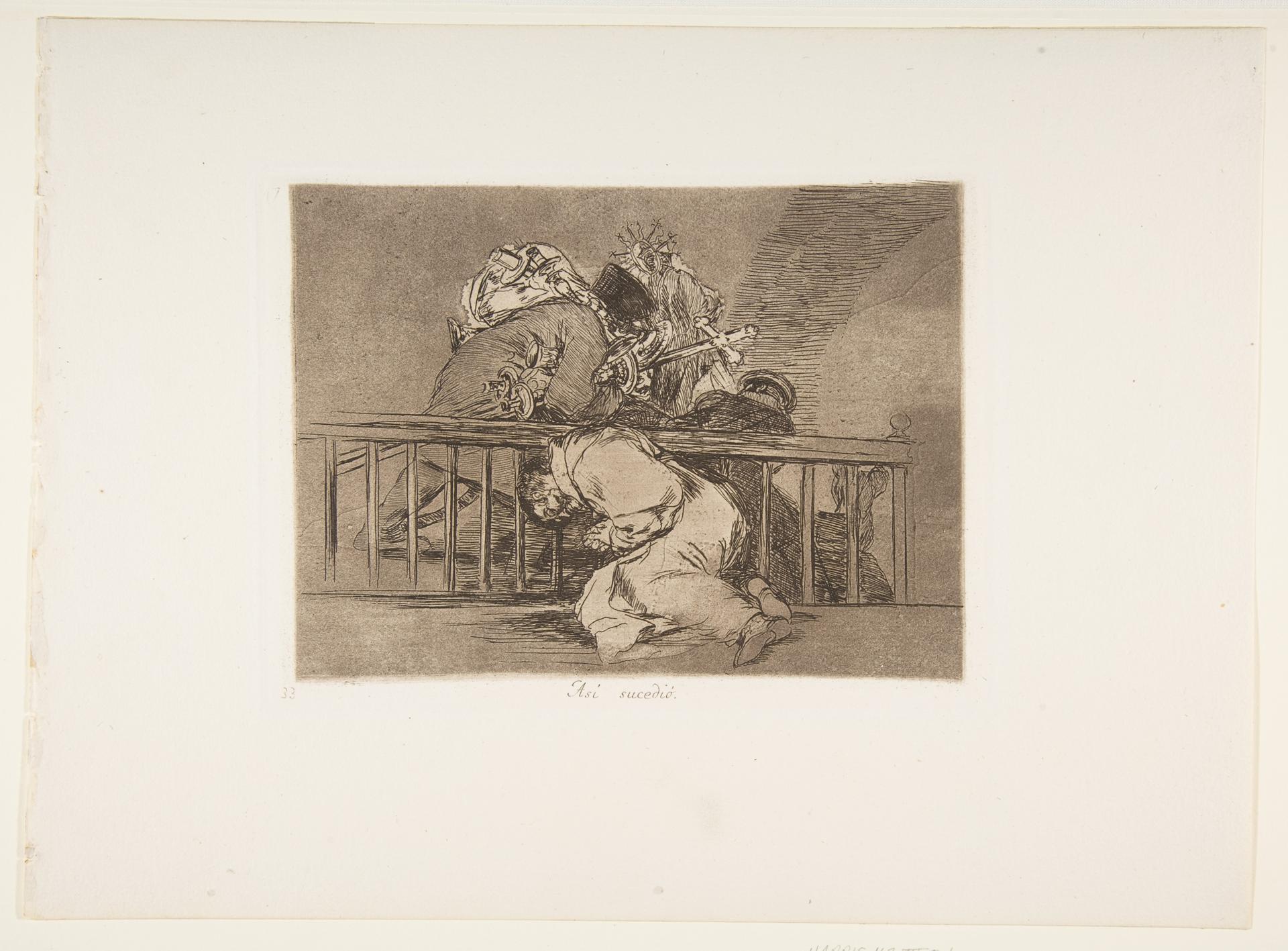
Plate 47 from "The Disasters of War" (Los Desastres de la Guerra): 'This is how it happened' (Así sucedió)
Original title: Plate 47 from "The Disasters of War" (Los Desastres de la Guerra): 'This is how it happened' (Así sucedió)
kurzbeschreibung
Blatt 47 from Francisco de Goya's etching cycle 'The Disasters of War' (Los Desastres de la Guerra) dates from 1810 but was not published until 1863, after the artist's death. It presents an episode involving two figures in an interior, pointing to a violent or dramatic action.
Description
In the foreground, a person kneels in traditional dress, eyes downcast; a second figure wearing headgear that suggests authority leans over an unclear object or someone lying on the ground. The room has a balcony or railing in the background. Light from above sharply defines the figures' shadows and contours. The surface remains monochrome in grays, nuanced by lavis and etching techniques.
Context
Between 1810 and 1820, Goya responded to the Napoleonic wars in Spain and the ensuing restoration with his etching series 'The Disasters of War'. The plates were only published in 1863, long after Goya's death, by the Real Academia de Bellas Artes de San Fernando in Madrid. Plate 47 belongs to the group of 'caprichos enfáticos', which address allegorical and social themes rather than immediate war scenes.
Impact
The restrained color and dramatic lighting create a dark, menacing mood. The asymmetrical layout and unclear action prompt viewers to question what is happening, heightening the unsettling effect of the print.
Technique
On a copper plate, Goya combined etching, burnished lavis, drypoint, burin, and burnisher. This mixture allowed fine tonal gradations and a nuanced rendering of light and shadow, characteristic of his late graphic work.
AI-generated description text
Source: Metropolitan Museum of Art · Public Domain (CC0 1.0)