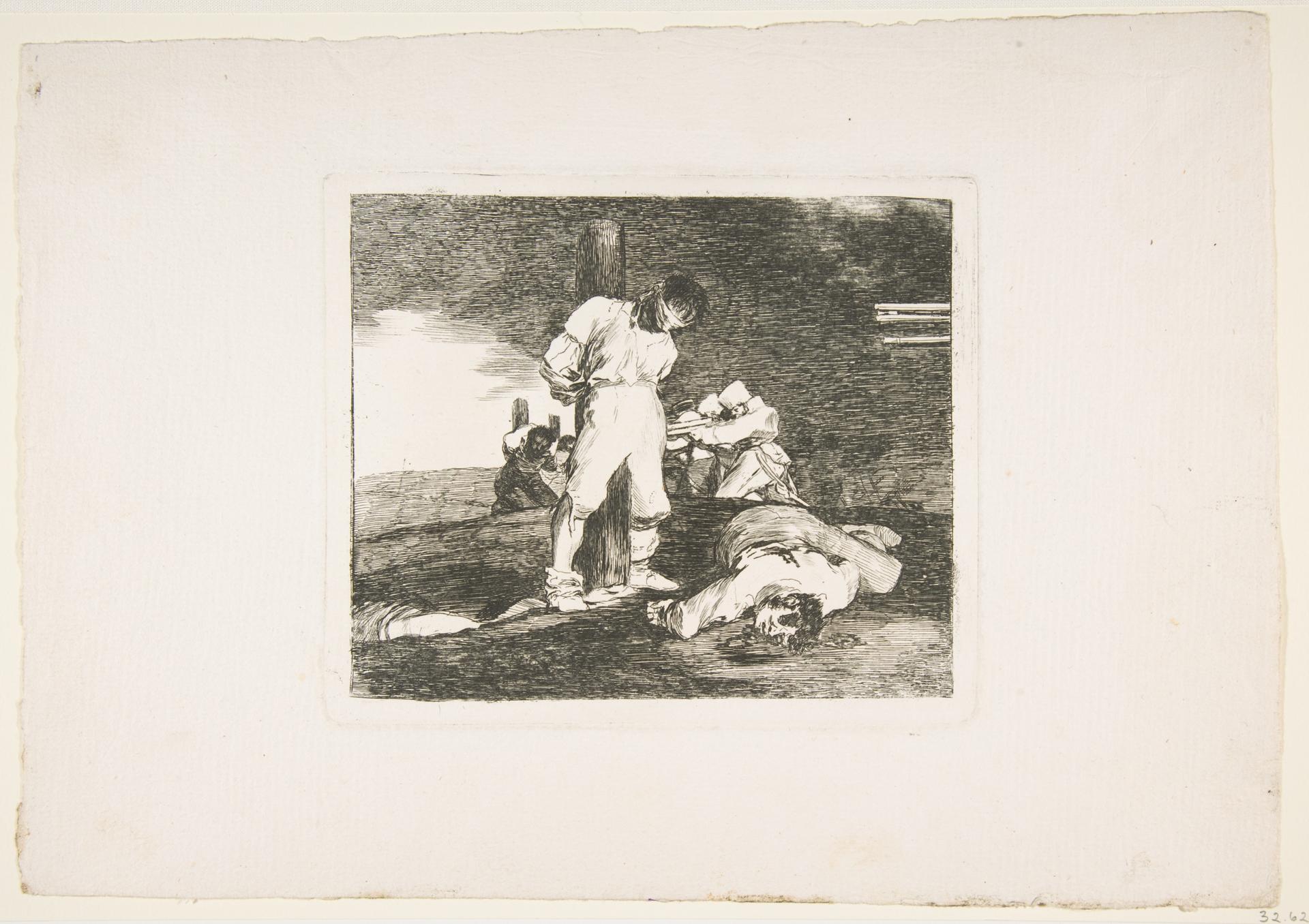
Plate 15 from "The Disasters of War" (Los Desastres de la Guerra): 'And there is no help' (Y no hai remedio)
Original title: Plate 15 from "The Disasters of War" (Los Desastres de la Guerra): 'And there is no help' (Y no hai remedio)
kurzbeschreibung
Goya's etching from the 'Disasters of War' cycle, plate 15 titled 'Y no hai remedio' (And there is no help), shows a group of people in a dark setting. A man lies on the ground while a figure in white examines or mourns him. The etching with drypoint, burin, and burnisher measures 14 x 16.7 cm (plate) and belongs to the 82 prints documenting the Spanish War of Independence.
Description
In the foreground, a man sprawls on the ground, evidently wounded or dead. Above him leans a person in bright clothing, posture suggesting examination or lament. Behind them, others sit with faces marked by grief or worry. A deep black background, scarcely broken, dominates the image and thickens the somber mood. Light enters from the left, highlighting the faces and the central action.
Context
Between 1810 and 1820, Goya created his series 'The Disasters of War', triggered by Napoleon's occupation of Spain and the ensuing guerrilla war. The prints were only published in 1863, 35 years after the artist's death. Goya was working as court painter at the time and witnessed the horrors of war firsthand. Plate 15 bears the inscription 'Y no hai remedio' (And there is no help), naming the hopelessness of the situation.
Impact
The near-black background evokes an oppressive atmosphere that mirrors the suffering of the figures. The sketchy rendering of the people heightens the drama and feels immediately emotional. Bright light from the left strikes dark areas, drawing the eye to the central figure and its action.
Technique
The plate is an etching, worked with drypoint, burin, and burnisher. These techniques allow fine lines and graduated shadows that carry the gloomy atmosphere. The plate measures 14 x 16.7 cm, the sheet 22.5 x 31.8 cm; it was printed on paper in portrait format.
AI-generated description text
Source: Metropolitan Museum of Art · Public Domain (CC0 1.0)