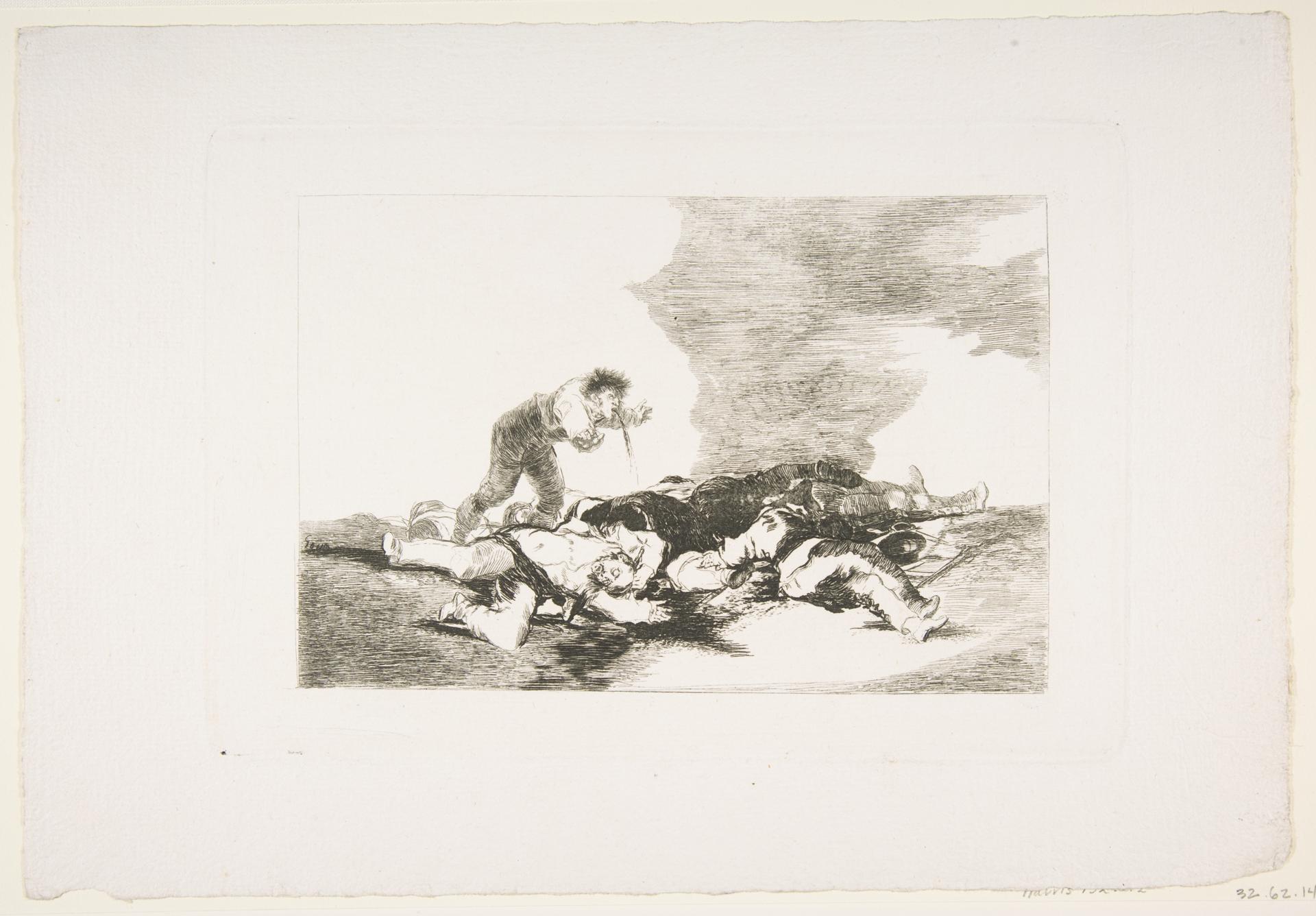
Plate 12 from 'The Disasters of War' (Los Desastres de la Guerra): 'This is what you were born for' (Para eso habeis nacido)
Original title: Plate 12 from "The Disasters of War" (Los Desastres de la Guerra): 'This is what you were born for' (Para eso habeis nacido)
kurzbeschreibung
Unlike the many battle paintings that present war as an orderly event, Goya's plate 12 from the etching cycle 'The Disasters of War' focuses entirely on the victims: people lie on the ground, and a single figure bends over them with a stick. Created in 1810, this etching with drypoint and burin is a working proof and ranks among the most immediate testimonies to the horrors of war.
Description
Several people lie on the ground; a lone figure kneels over them, holding a stick. The bodies are crowded together in a restless arrangement that speaks of violence and war. The background remains dark and undefined, heightening the oppressive mood. The etching technique, with its lines and shadows, produces a monochrome grey scale; the light is diffuse and adds to the sombre atmosphere.
Context
The cycle 'The Disasters of War' was made between 1810 and 1820 in response to the Napoleonic Wars in Spain and the Spanish War of Independence. Plate 12 is dated 1810, a phase in which the French occupation and guerrilla warfare led to massive atrocities against civilians. The cycle was only published in 1863, long after Goya's death, because publication during his lifetime would have been too dangerous.
Impact
The unflinching directness and the dark monochrome hit immediately. The unclear, chaotic layout conveys disorientation and horror and avoids any aestheticisation of atrocity.
Technique
The work was executed as an etching with drypoint and burin, here in the form of a working proof on paper. The varying depths of the incisions and the fine lines bring out the greys and shadings typical of Goya's printmaking. By combining etching, drypoint and burin, details could be rendered precisely and a rich tonal range achieved.
AI-generated description text
Source: Metropolitan Museum of Art · Public Domain (CC0 1.0)