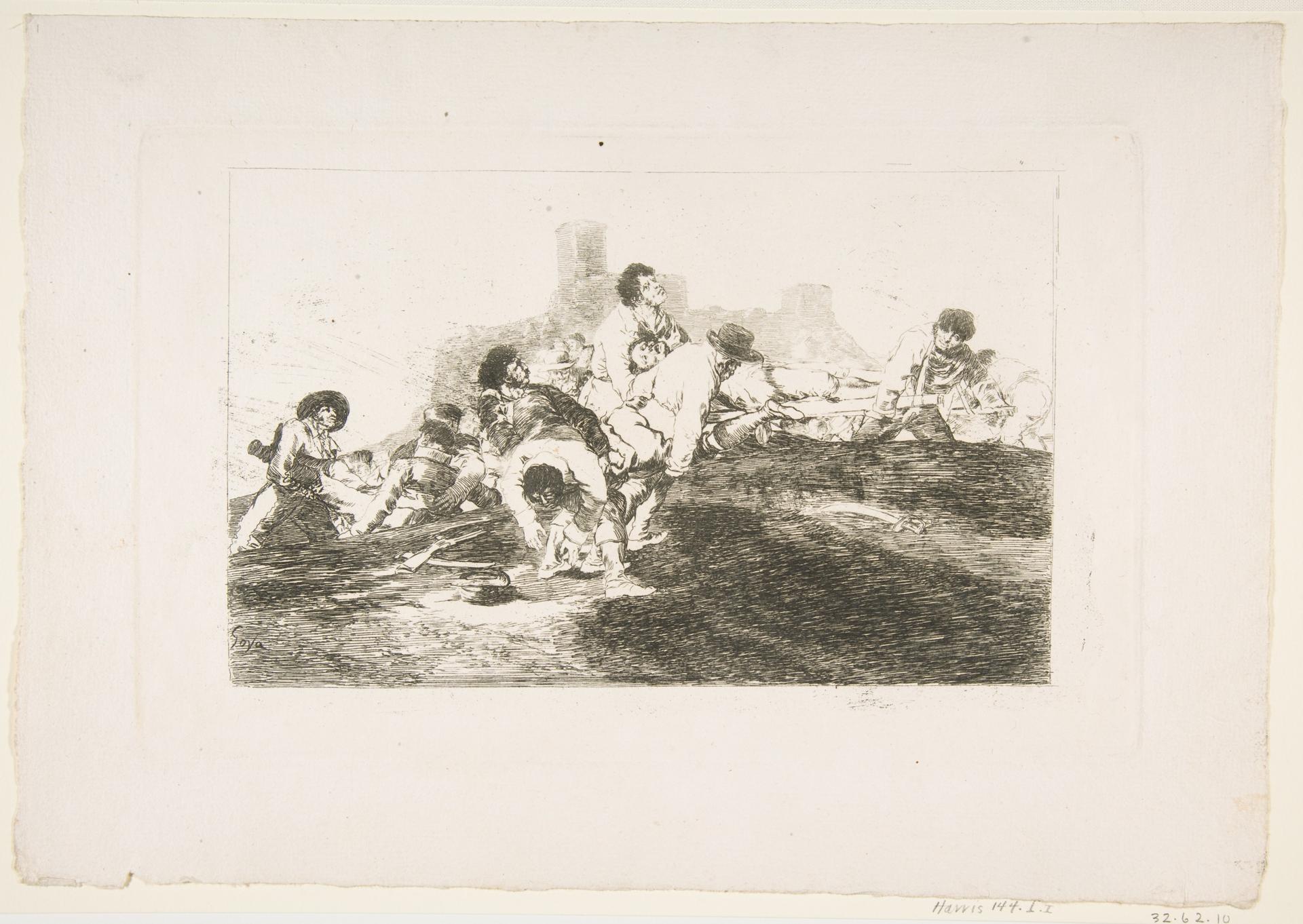
Plate 24 from "The Disasters of War" (Los Desastres de la Guerra): 'They can still be of use' (Aun podrán servir)
Original title: Plate 24 from "The Disasters of War" (Los Desastres de la Guerra): 'They can still be of use' (Aun podrán servir)
kurzbeschreibung
Plate 24 from Goya's 'The Disasters of War', made in 1810, gathers several figures around a lifeless body. This etching, a proof impression measuring 16.1 × 25.6 cm, deals with violence and death in the context of the Spanish War of Independence.
Description
The figures are arranged irregularly: a group clusters around a dead person lying on the ground. Some weep, others turn toward the corpse. The background stays dark and undefined, drawing the eye to the action in the middle. The clothing of those present points to a past era. The light is muted and reinforces the somber mood.
Context
Goya worked on 'Los Desastres de la Guerra' between 1810 and 1820, prompted by the horrors of the Spanish War of Independence (1808–1814) against Napoleonic occupation. Plate 24 was made in 1810, still during the fighting. The etchings remained unpublished in the artist's lifetime; they appeared posthumously in 1863. The series is among the earliest documentary-realist visual reports on war crimes.
Impact
The dark tone and focus on human suffering evoke a oppressive atmosphere. The irregular arrangement of the figures heightens the impression of disorder and mourning. The viewer is directly confronted with mortality and the powerlessness of those depicted.
Technique
For this etching, Goya scratched the drawing into a wax layer on a copper plate and then etched it. The present proof impression was pulled from the plate before further revisions were made. Fine lines and graded hatching create deep shadows and a nuanced handling of light.
AI-generated description text
Source: Metropolitan Museum of Art · Public Domain (CC0 1.0)