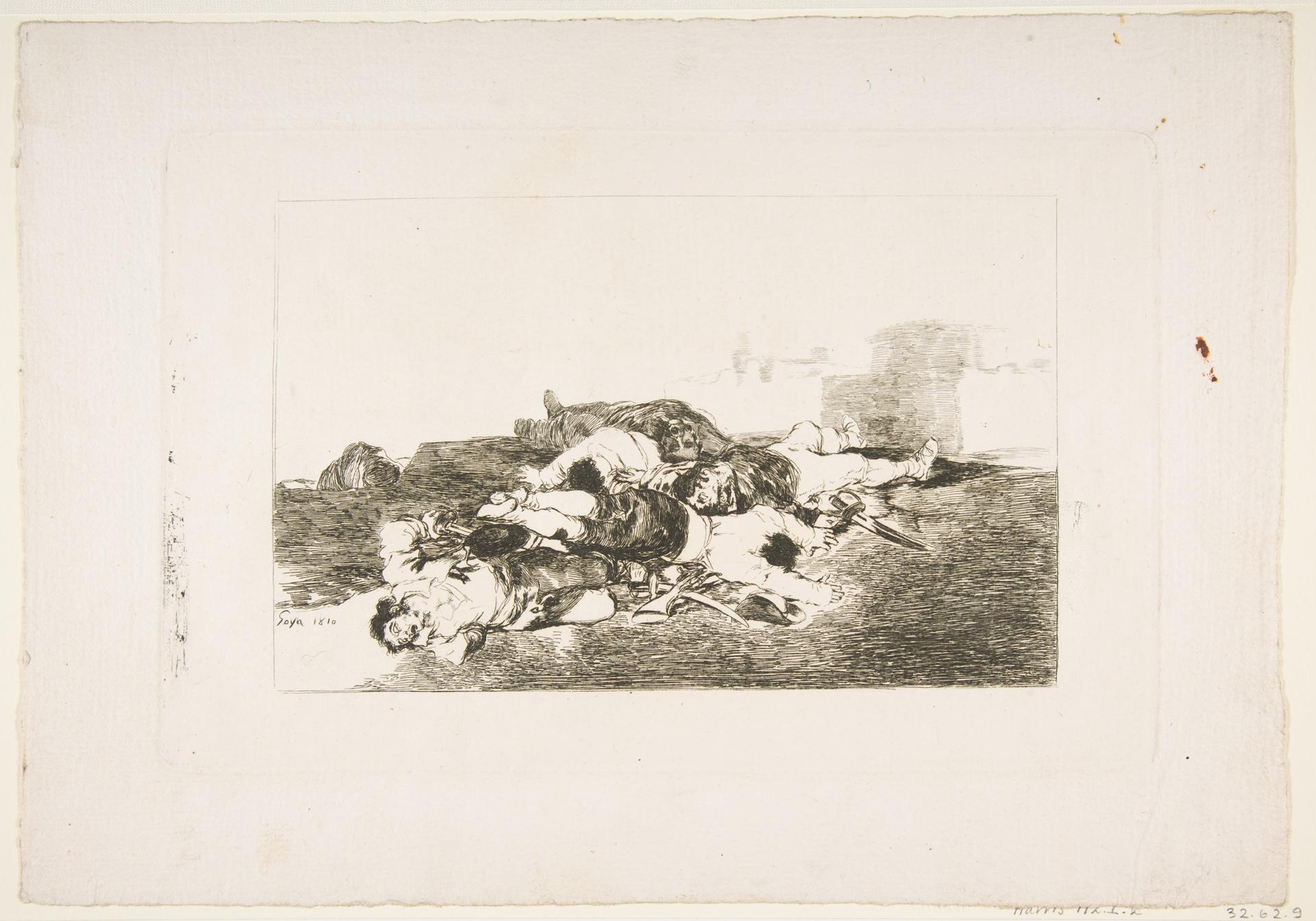
Plate 22 from "The Disasters of War" (Los Desastres de la Guerra): 'Even worse' (Tanto y mas) (1810)
Original title: Plate 22 from "The Disasters of War" (Los Desastres de la Guerra): 'Even worse' (Tanto y mas)
kurzbeschreibung
Francisco de Goya y Lucientes created this print in 1810 as plate 22 of his etching series 'The Disasters of War', titled 'Even Worse' (Tanto y mas). It presents a cluster of wounded or dead people lying on the ground in a devastated landscape. Executed as an etching with burin, it stands as a forceful record of the atrocities of the Spanish War of Independence.
Description
Several figures sprawl across the plate in chaotic disarray, on their backs, stomachs, or sides, seemingly dead or injured. Their faces are contorted in pain or fear, underscoring the brutality of the event. Behind them, remnants of walls or ruined buildings hint at a destroyed environment. Dark hatching and a somber mood make death and despair palpable. The etching technique, with its fine lines and cross-hatching, shapes the detailed rendering.
Context
Goya worked on 'Los Desastres de la Guerra' between 1810 and 1820 as a response to the horrors of the Spanish War of Independence against Napoleon. The plates were not published until 1863, after his death, because political circumstances prevented publication during his lifetime. He created the series partly during the war and partly during the subsequent restoration period, revealing his opposition to violence and oppression.
Impact
The gloomy image and twisted bodies have a profoundly unsettling, immediate effect on the viewer. The haphazard arrangement of the figures and the ruined surroundings evoke a sense of hopelessness and moral indictment. Goya's unvarnished visual language demands that we confront the horrors of war.
Technique
The plate is executed as an etching with burin, evident in the precise lines and delicate shading. Using drypoint, Goya achieved subtle tonal values and dramatic contrasts. This particular impression is a proof, revealing the artist's fine workmanship and the quality of the plate.
AI-generated description text
Source: Metropolitan Museum of Art · Public Domain (CC0 1.0)