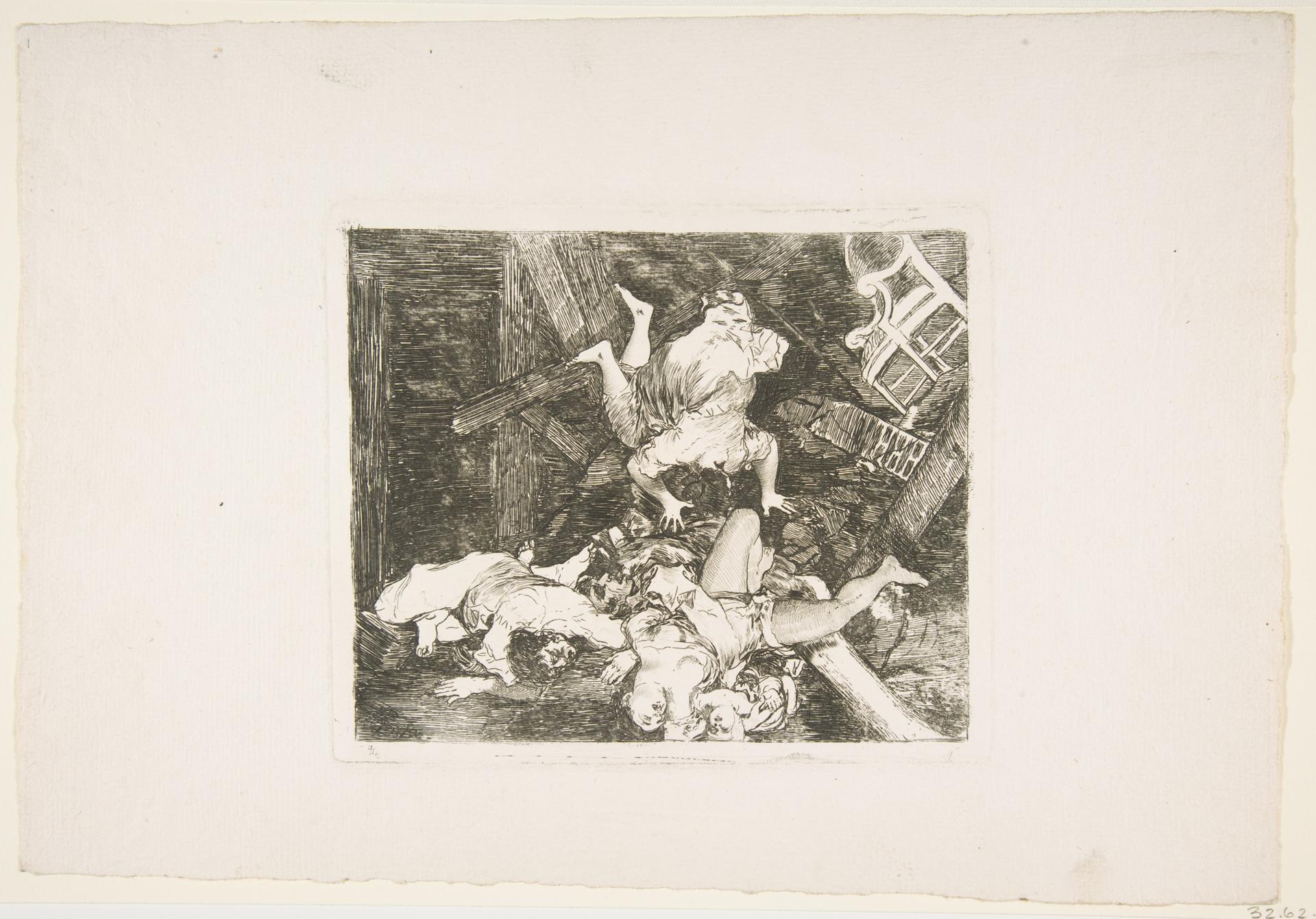
Plate 30 from 'The Disasters of War' (Los Desastres de la Guerra): 'Ravages of War' (Estragos de la guerra)
Original title: Plate 30 from "The Disasters of War" (Los Desastres de la Guerra): 'Ravages of War' (Estragos de la guerra)
kurzbeschreibung
Plate 30 from Francisco Goya's etching cycle 'The Disasters of War' (Los Desastres de la Guerra), made in 1810, confronts the viewer with the aftermath of combat. The etching, worked with drypoint, burin, and burnisher, presents a group of figures in a devastated setting.
Description
Several human figures lie stretched out on the ground in the foreground; one lies on its back, apparently injured or lifeless. In the middle of the image, a figure rises, arms and legs spread in a gesture of exertion or fear, and looks directly at the viewer. Behind, wooden walls and an overturned chair suggest a ruined environment. The arrangement is asymmetrical and directed toward the central figure; the linework stays simple but is rich in detail.
Context
The series of 82 plates was created between 1810 and 1820 under the impact of the Spanish War of Independence against Napoleon. The etchings were not published until 1863, 35 years after Goya's death. Plate 30 belongs to a group of images that show the immediate horrors and devastations of war without heroic or pathetic elevation.
Impact
The dark, monochrome view evokes a somber, compassionate mood and makes the horror of war directly palpable. The central figure's direct gaze at the viewer heightens this emotional effect and draws the viewer into the event.
Technique
The plate was executed in etching with drypoint, burin, and burnisher on paper. The interplay of these printmaking techniques allows fine lines and graduated shadows that precisely render the figures and the ruined surroundings. The plate measures 14 × 17 cm, the sheet 31.5 × 21.6 cm.
AI-generated description text
Source: Metropolitan Museum of Art · Public Domain (CC0 1.0)