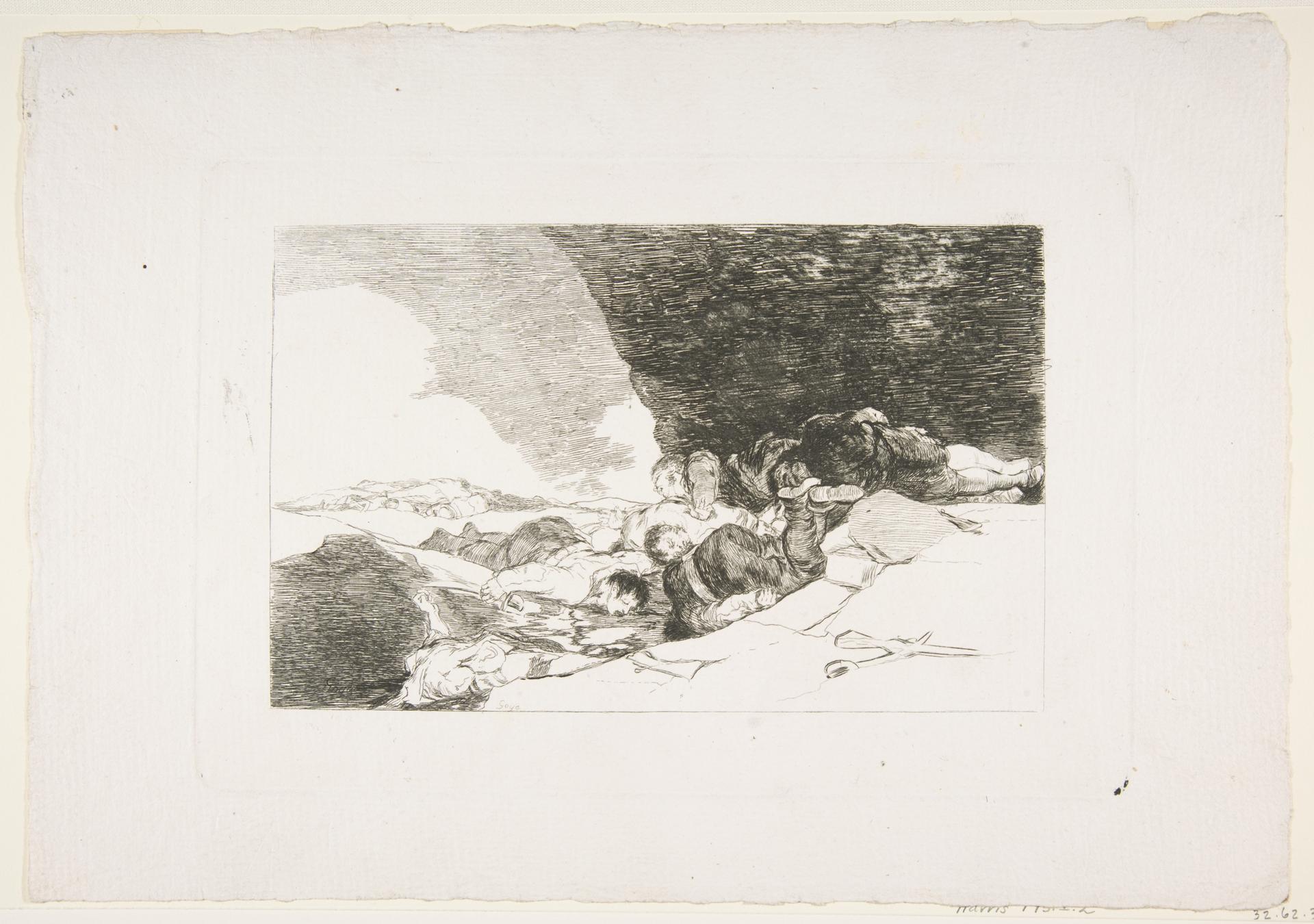
Plate 23 from "The Disasters of War" (Los Desastres de la Guerra): 'The Same Elsewhere' (Lo mismo en otras partes)
Original title: Plate 23 from "The Disasters of War" (Los Desastres de la Guerra): 'The Same Elsewhere' (Lo mismo en otras partes)
kurzbeschreibung
A group of wounded or dying people lies on the ground inside a dark cave in Goya's etching 'Same Elsewhere' from the series 'The Disasters of War' (Los Desastres de la Guerra), plate 23, made around 1810. This proof impression in etching, drypoint, and burin ranks among the most forceful prints in the cycle.
Description
Several figures sprawl across the sheet in different poses; some appear unconscious or dead, others still alive. Light enters from the upper left, plunging the scene into a grim contrast of bright and dark. The setting remains shadowed, suggesting a cave or a lightless room. The layout is strongly asymmetrical: the figures crowd the foreground, while the light stays behind. The bodies are rendered realistically, with sharp contours and rich linework.
Context
Goya made the series between 1810 and 1820, during and after the Spanish War of Independence against Napoleon. The plates record wartime atrocities, especially against civilians. The title 'Same Elsewhere' implies that the horror repeats in other places. The prints were first published only in 1863, long after Goya's death.
Impact
The dark lighting and asymmetrical arrangement create an oppressive, melancholy mood. By bringing suffering so directly before the viewer, the print casts one as a distant yet deeply moved witness.
Technique
Etching, drypoint, and burin are used, resulting in varied textures and shading. The proof impression on paper reveals delicate lines and a deliberate use of hatching to shape light and shadow.
AI-generated description text
Source: Metropolitan Museum of Art · Public Domain (CC0 1.0)