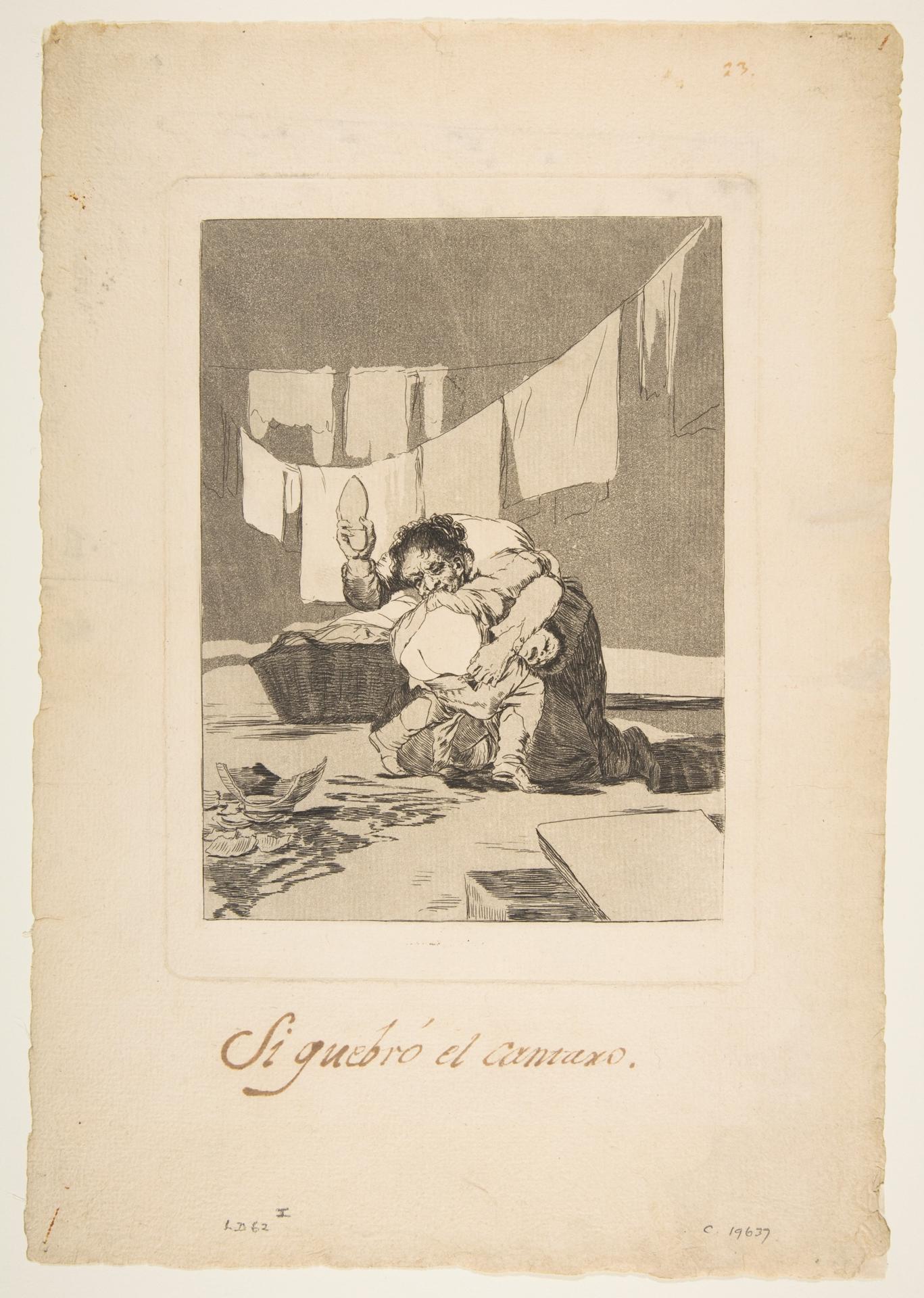
Plate 25: If he broke the pot (Si quebró el cantaro), from "Los Caprichos"
Original title: Plate 25: If he broke the pot (Si quebró el cantaro), from "Los Caprichos"
kurzbeschreibung
Goya's etching Plate 25 from 'Los Caprichos' (around 1797–98) presents a domestic scene: someone kneels on the ground holding a broken pot, while a seated figure nearby looks on helplessly or with concern. Executed with aquatint, this plate belongs to the cycle's socially critical works.
Description
A figure crouches in the foreground, clutching the shards of a pot, as a second person sits on the floor with a confused or worried expression. More broken pots lie scattered, and laundry hangs from a line in the background. The arrangement is centered: meticulously worked figures up front, a more sparsely detailed backdrop. Subdued light creates a grim, everyday mood carried by shades of gray, underscoring the print's historical character.
Context
The etching was made in 1797–98 and became part of 'Los Caprichos,' which Goya published in 1799. The series attacks social ills, superstition, and human folly in late 18th-century Spain. Plate 25 joins a group of images that link domestic scenes with moral or social allusions. Goya created the Caprichos after a severe illness that left him partially deaf in 1792–93 and shaped his pessimistic worldview.
Impact
The gloomy light and disordered scene press upon the viewer while also carrying an ironic edge. The broken pots and bewildered figures allow a touch of comedy, yet it is overshadowed by an underlying melancholy. Thus the everyday brutality and the fragility of human order come into focus.
Technique
Executed as an etching with aquatint, made before the drypoint technique. Aquatint allows fine tonal gradations and shading that produce the somber atmosphere. The etching's structuring lines define figures and objects, while aquatint creates soft transitions.
AI-generated description text
Source: Metropolitan Museum of Art · Public Domain (CC0 1.0)