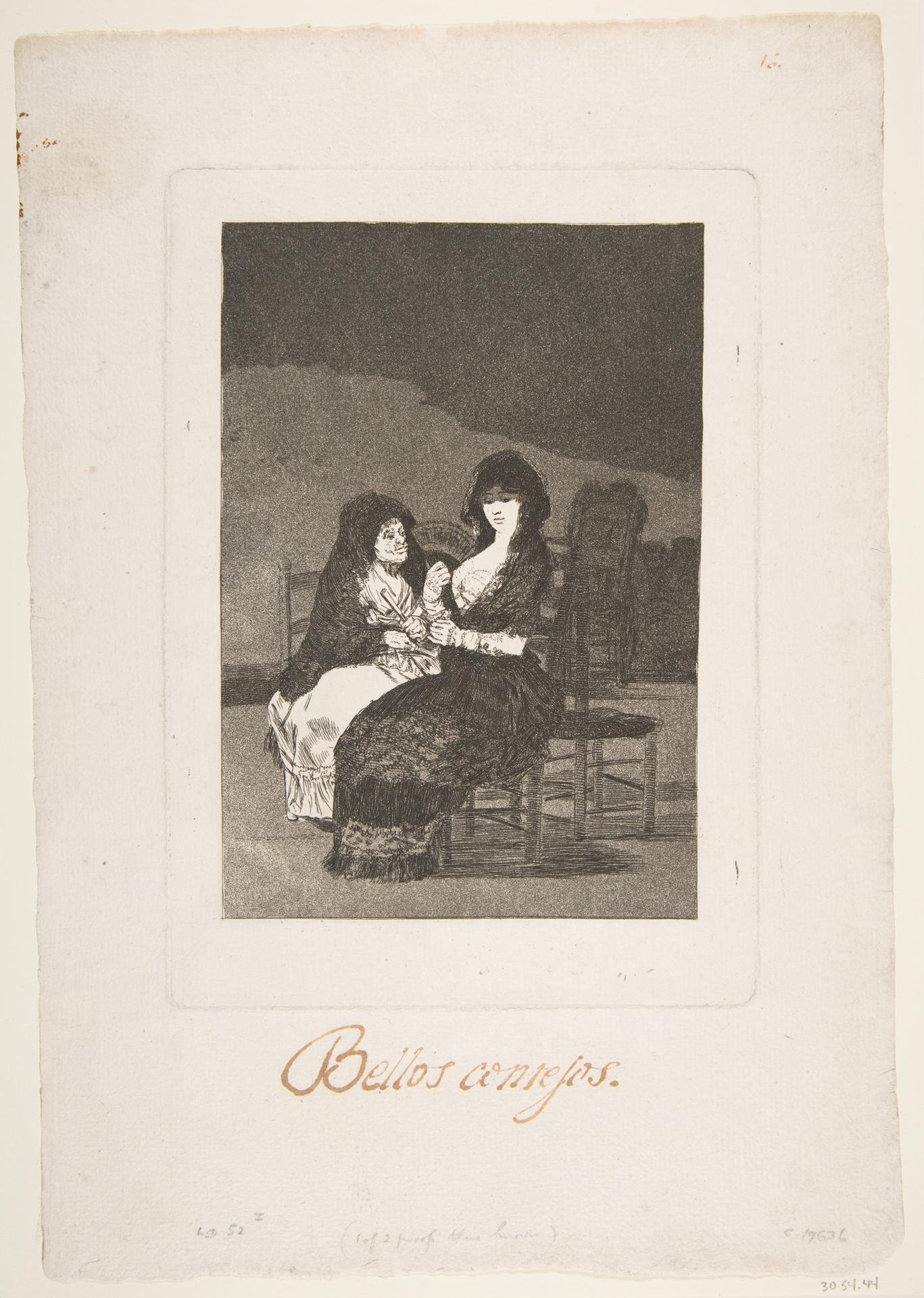
Plate 15: Pretty Advice (Bellos Consejos), from "Los Caprichos"
Original title: Plate 15: Pretty Advice (Bellos Consejos), from "Los Caprichos"
kurzbeschreibung
From Francisco de Goya's print series Los Caprichos, published in 1799, comes the sheet 'Schöne Ratschläge' (Bellos Consejos). Two women sit in a dimly lit room, deep in conversation. Goya used a combination of drypoint, aquatint, burin, and pen and ink for this work.
Description
Two seated women anchor the layout. The one on the left wears a long dress with a light skirt, her dark hair gathered in a knot; her hand rests in the hand of the woman on the right, who also wears a long dress trimmed with dark fabric. Both look in the same direction, suggesting a shared listener or exchange. Behind them, two chairs and a dark wall stand out. Muted light, strong shadows, and sharp contrasts define the image, which is rendered mostly in shades of gray.
Context
Los Caprichos was created between 1797 and 1799 and went on sale in 1799 as a set of 80 prints. The etchings target social ills, superstition, and the follies of the nobility and clergy. 'Schöne Ratschläge' is among those prints that take female foolishness and prostitution as their subject. Because of its biting satire, the series was withdrawn from sale shortly after its release.
Impact
The somber light and the restrained posture of the two women create a mood suspended between intimacy and melancholy. The ironic title 'Schöne Ratschläge' (Beautiful Advice) stands in tension with the serious scene, prompting critical reflection. With color kept to a minimum and aquatint supplying soft tones, the print gains a graphic elegance that underscores its satirical content.
Technique
The sheet was printed on paper as an etching with aquatint, burin, and pen. Subtle tonal gradations come from the aquatint, while the burin adds precise lines for facial features and fabric textures. The interplay of these techniques yields a rich chiaroscuro modeling and a nuanced rendering of light conditions.
AI-generated description text
Source: Metropolitan Museum of Art · Public Domain (CC0 1.0)